Best Cooking Classes in Japan
A cooking class is one of the most enduring souvenirs a traveler can bring home from Japan. Unlike a food tour or a restaurant meal, a class leaves you with practical skills: the muscle memory for rolling a tight maki, the technique for pulling ramen dough to the right thickness, the understanding of dashi ratios that makes Japanese home cooking suddenly accessible. In a country where culinary tradition runs deep and every dish has centuries of refinement behind it, even a two-hour introductory class teaches things that are genuinely difficult to learn from books or videos.
This guide covers the best cooking classes available across Japan’s major culinary cities — Tokyo, Osaka, and Kyoto — organized by dish type, format, and skill level. All classes listed are suitable for beginners unless otherwise noted. Prices are per person unless stated.
At a Glance
| Where | Tokyo, Osaka, Kyoto — every major city runs visitor-oriented classes |
| Cost | Around 5,000–15,000 yen per person for group classes; 15,000–25,000 yen total for a small private session |
| Time needed | 90 minutes to 4 hours depending on format and number of dishes |
| Getting there | Most schools are near major stations; home-kitchen classes may need a short taxi or local train from the nearest hub |
| Best time | Any season — book 1–2 weeks ahead, 3–4 weeks ahead during cherry blossom or autumn foliage |
What to Expect From a Japanese Cooking Class
Most visitor-oriented cooking classes in Japan follow a consistent structure. You arrive at a home kitchen, a professional cooking school, or a restaurant’s kitchen facility. A bilingual instructor demonstrates the preparation of two to four dishes. You replicate the steps at your own station, with the instructor moving through the room to offer guidance. The class ends by eating what you cooked, typically with miso soup and rice included as accompaniments. Total duration ranges from 90 minutes to four hours depending on how many dishes are covered.
Classes divide broadly into two formats:
Home cooking classes — hosted in a local resident’s kitchen, groups of four to eight, emphasis on everyday Japanese home cooking (nikujaga, tamagoyaki, miso soup from scratch). Intimate, personal, and excellent for understanding how Japanese people actually cook at home. Typically 5,000–8,000 yen per person.
Professional school classes — hosted at a dedicated cooking school facility, groups of six to fifteen, emphasis on restaurant-quality technique (sushi nigiri, ramen broth, tempura batter technique). More structured, better equipped for hands-on practice. Typically 8,000–15,000 yen per person.
The dishes most commonly available across all cities: sushi and nigiri, ramen, tempura, miso soup and dashi fundamentals, tamagoyaki, udon from scratch, gyoza, onigiri, and — unique to Kyoto — wagashi traditional sweets and matcha preparation.
Tokyo Cooking Classes
Tokyo has the largest and most varied cooking class market in Japan. The concentration of both professional culinary schools and experienced home-cooking instructors means that virtually every Japanese dish is available to learn here, and the quality ceiling is exceptionally high.
Sushi and Nigiri Classes
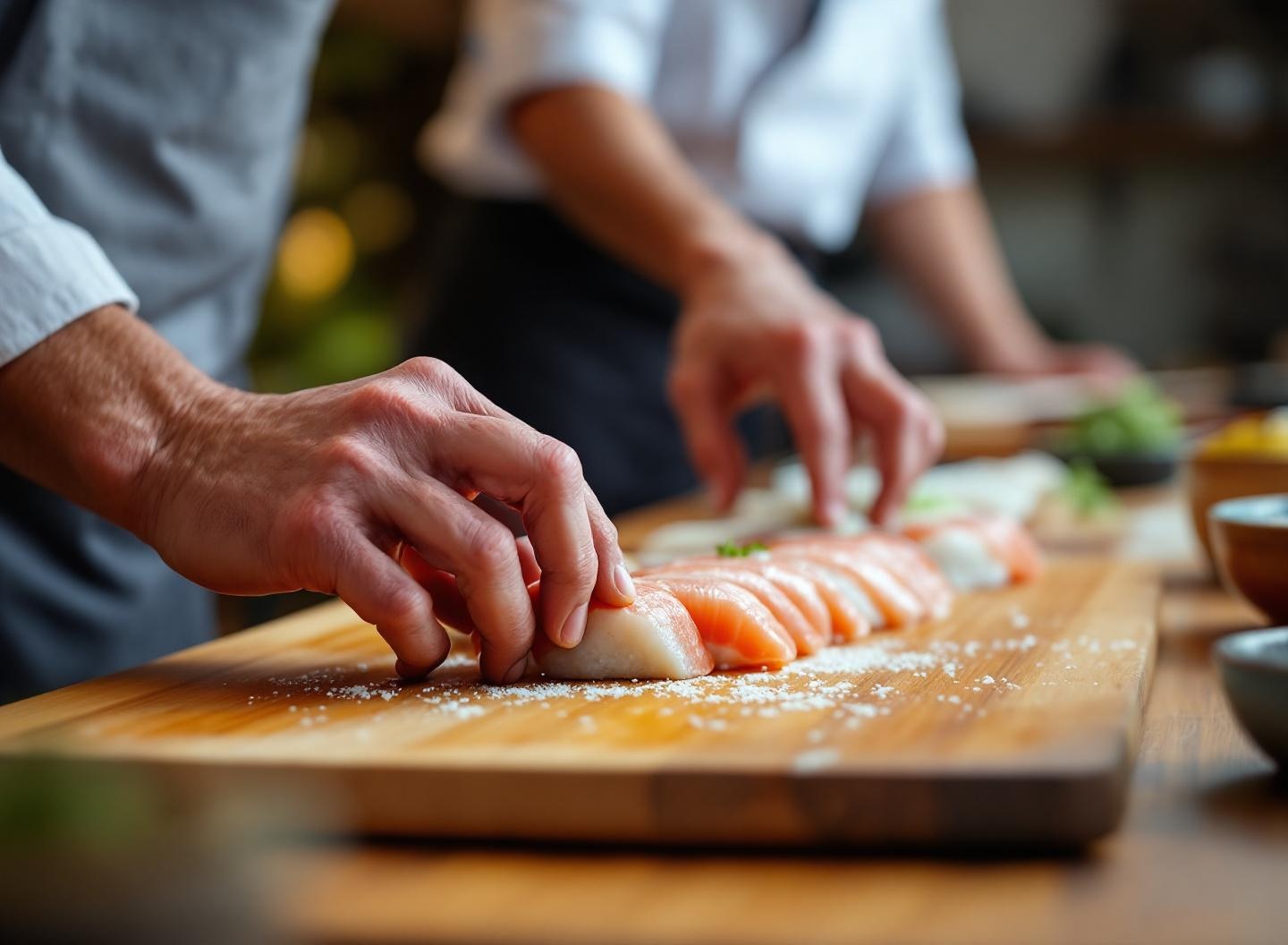
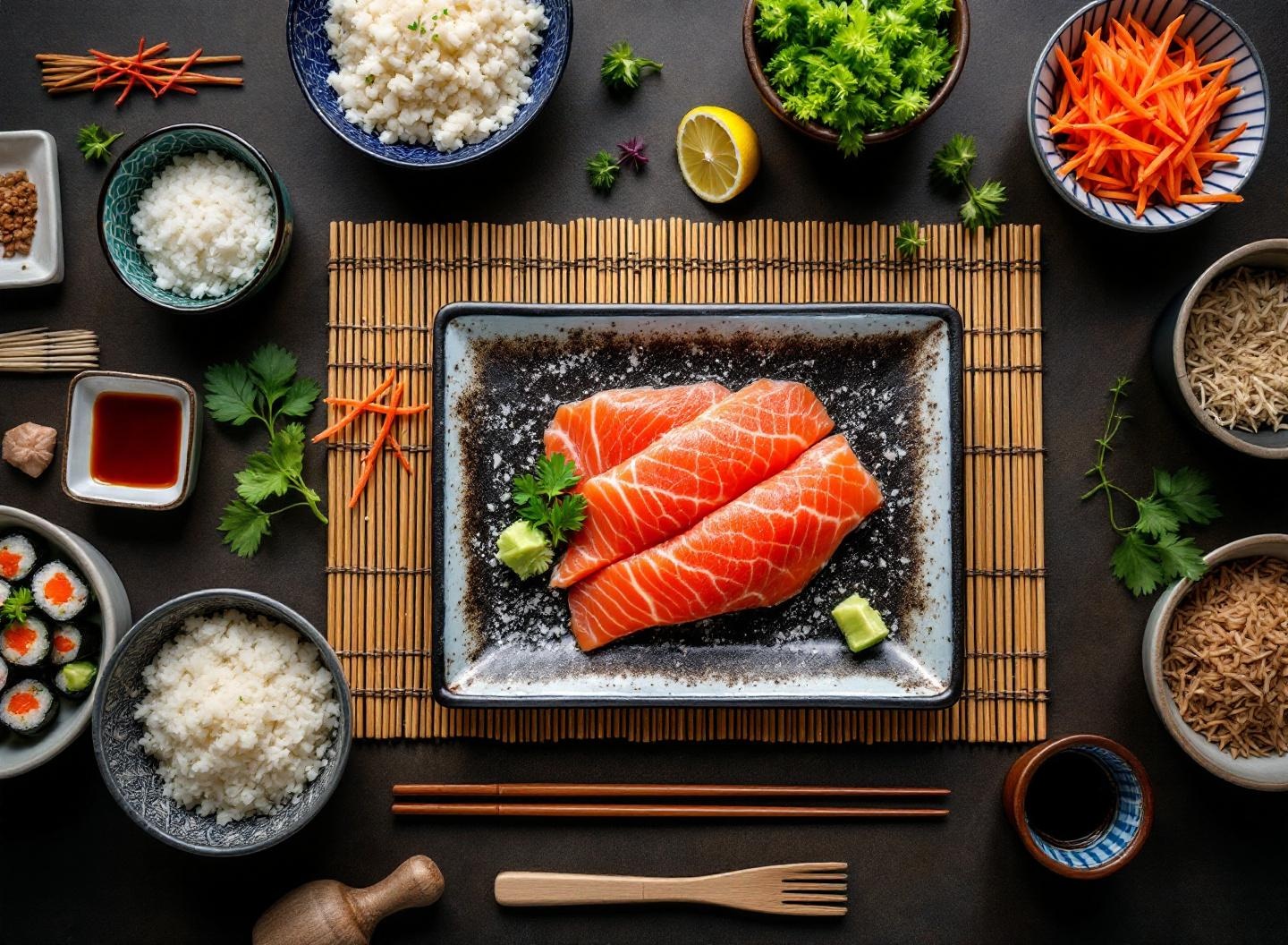
Sushi is the single most requested cooking class experience in Japan, and Tokyo — the birthplace of Edomae sushi — is the natural place to learn it. A proper sushi class covers five core techniques: how to prepare sushi rice (the seasoned vinegar ratio is specific; the folding technique matters), how to hold and press nigiri, how to slice fish cleanly with a single drawing cut, how to roll maki without tearing the nori, and how to construct inside-out rolls. Classes typically include practicing six to eight different pieces, with the instructor demonstrating correct form before each exercise.
What to look for in a Tokyo sushi class: fish quality (a class using premium tuna, salmon, and yellowtail signals that the operator takes the experience seriously), a small group size (no more than ten for adequate counter space and instructor attention), and a demonstration phase before the hands-on portion (understanding the technique before attempting it significantly improves the result).
A combined market tour and sushi class — starting at Tsukiji’s outer market to learn about fish selection, then moving to the kitchen — provides the best context for understanding sushi in its full chain from market to plate.
Ramen Classes
Ramen is technically demanding but deeply satisfying to learn. Tokyo-style ramen uses a shoyu (soy sauce) or shio (salt) base with a light, clear broth built on chicken or dashi stock — different in character from the heavier tonkotsu and miso broths of Kyushu and Hokkaido. A Tokyo ramen class typically covers: preparing chashu pork (braised in a soy-mirin reduction), making soft-boiled marinated eggs (ajitsuke tamago), constructing the tare (seasoning concentrate), pulling or preparing fresh noodles (sometimes simplified to assembling with high-quality dried noodles), and building the complete bowl with toppings. Duration is typically three to four hours for a full broth-from-scratch class.
Private Classes
For travelers who want a fully personalized experience — choosing the specific dishes, scheduling around an unusual timing, or cooking with a professional chef rather than a class instructor — private Tokyo cooking classes are available. A private session for two to four people typically costs 15,000–25,000 yen total, runs two to three hours, and can be tailored entirely to your requests.
Tsukiji Market Tour and Sushi Making
Explore Tsukiji Market then learn sushi from a professional chef.
Ramen Cooking Class in Tokyo
Learn to make authentic Tokyo ramen from scratch — broth, noodles, chashu, and toppings.
Private Sushi Making Class — Tokyo
A hands-on private sushi class with a professional chef. Small group, personalized instruction.
Osaka Cooking Classes
Osaka’s cooking class scene reflects the city’s food values: generous, hands-on, and focused on the dishes that Osaka actually eats rather than the dishes that tourists expect Japan to cook. Takoyaki and okonomiyaki classes are Osaka’s signature culinary experiences for visitors — both dishes involve equipment (the cast-iron takoyaki mold, the teppan griddle) that most travelers have never cooked on, and both reward direct instruction.
Takoyaki and Okonomiyaki Classes
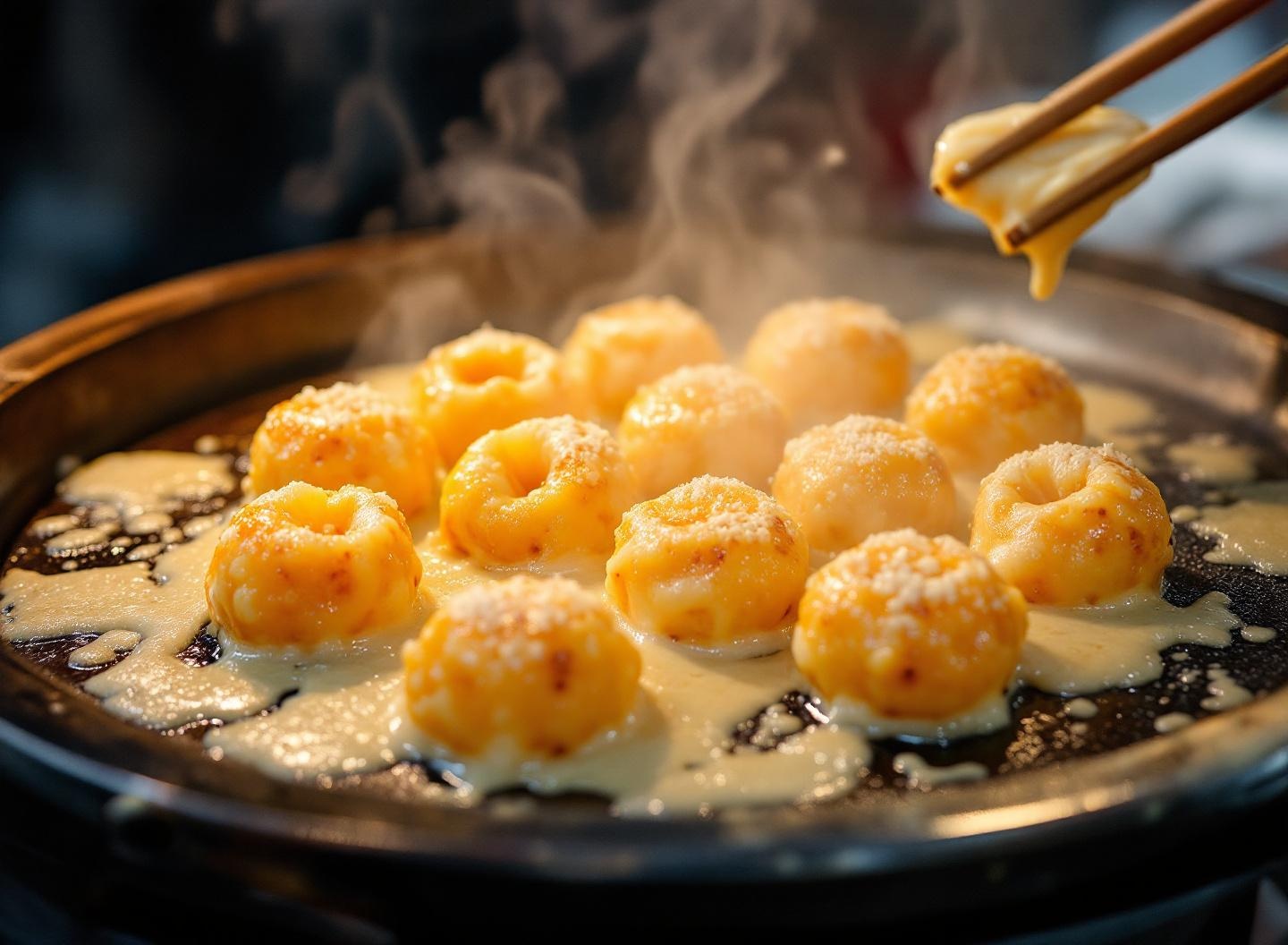
A takoyaki class teaches one of Osaka’s most technically specific street foods. The batter is more precise than it looks: dashi stock proportion, egg ratio, and the temperature of the cast-iron mold determine whether the result is the correct crisp-exterior, liquid-interior texture or a uniformly cooked, denser ball. The technique for rotating the balls in the mold with a skewer — turning each piece at exactly the right moment of crust formation — takes a few attempts to master and is satisfying to get right.
Okonomiyaki classes cover batter preparation, filling selection, griddle temperature management, and the finishing technique for applying sauce, mayonnaise, katsuobushi, and aonori in the correct sequence. A combined takoyaki and okonomiyaki class covering both dishes in two hours costs 6,000–9,000 yen per person and is one of the most practical cooking experiences in Japan for travelers who eat a lot of home-cooked food — both dishes are straightforward to recreate at home.
Osaka Takoyaki and Okonomiyaki Class
Learn to cook Osaka's two iconic dishes with a local instructor. Small group, all equipment provided.
Osaka Food Tour and Cooking Experience
Combine a Dotonbori food walk with a hands-on cooking session. The best of both formats.
Kyoto Cooking Classes
Kyoto’s cooking class offering is distinct from Tokyo and Osaka in two important ways. First, the cuisine being taught — traditional kaiseki-influenced home cooking and wagashi sweet-making — is more specific to Kyoto than almost any other food is specific to any Japanese city. Second, the settings are often exceptional: a machiya townhouse kitchen, a temple complex, or a garden tea room provide a physical environment that is inseparable from the experience.
Wagashi Classes
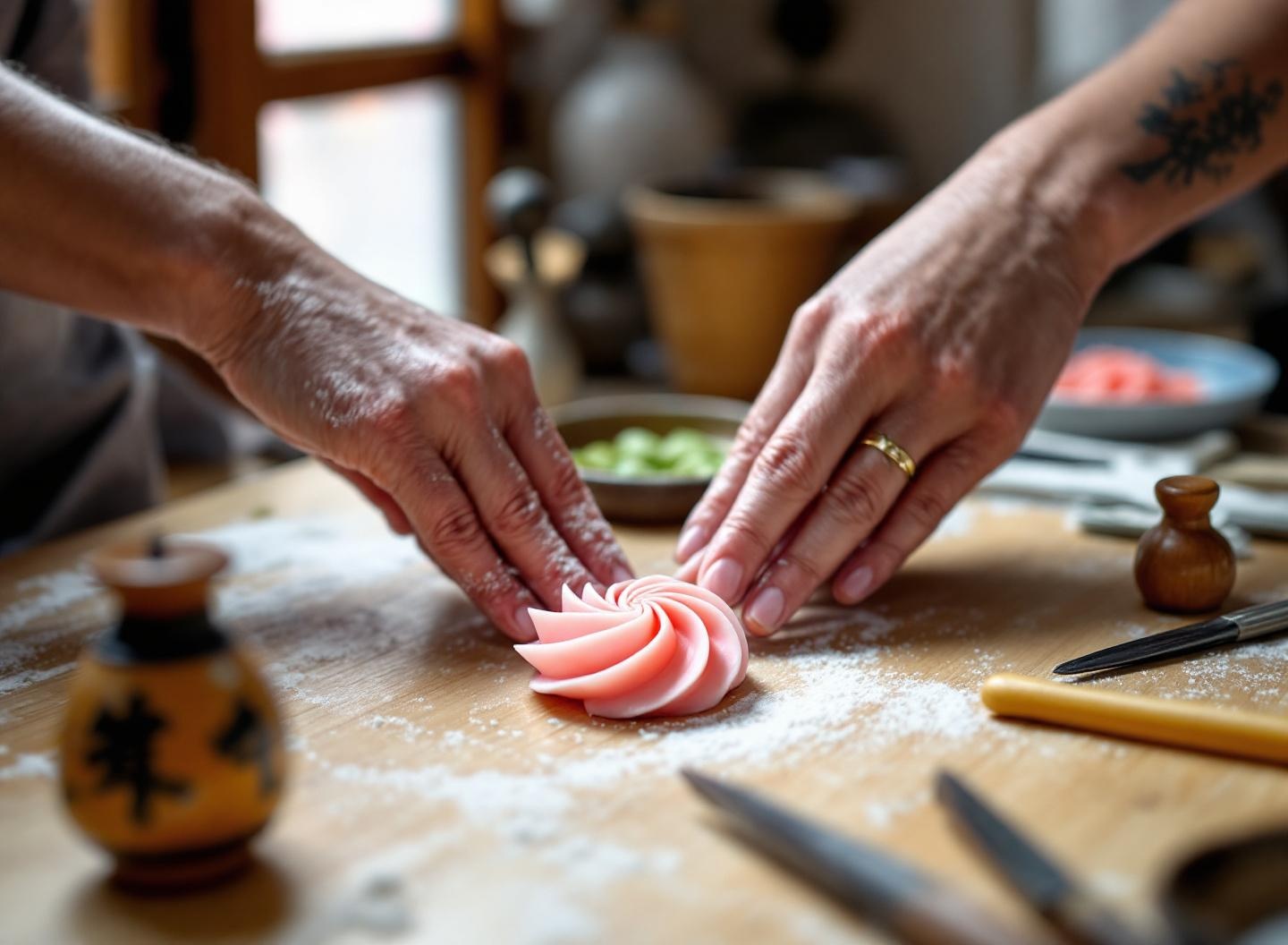
Wagashi — traditional Japanese confectionery — is one of the most visually refined culinary arts in Japan. The sweets are made from bean paste (an), mochi, and fruit jelly (yokan), shaped and colored to represent the current season: cherry blossoms in spring, maple leaves in autumn, snow in winter. A wagashi class teaches both technique and aesthetics: how to shape nerikiri (a malleable white bean paste) with small sculpting tools, how to achieve the correct texture, and how to appreciate the seasonal symbolism of what you are making.
Kyoto is the right city for a wagashi class because the tradition is deepest here and the instructors most authoritative. Classes typically run 90 minutes to two hours, cover two to four seasonal pieces, and include a matcha tea ceremony component at the end. Cost: 6,000–10,000 yen per person.
Traditional Home Cooking Classes
Kyoto’s home cooking classes emphasize the city’s specific culinary language: the use of Kyoto vegetables (kyo-yasai), the lighter dashi-forward seasoning that distinguishes Kyoto cooking from Osaka and Tokyo, and the role of tofu and yuba in the city’s Buddhist-influenced vegetarian tradition (shojin ryori). A half-day class covering miso soup from dashi scratch, a simmered dish using seasonal vegetables, and dashimaki tamago (the Kyoto-style rolled omelette) runs 7,000–10,000 yen per person and takes place in a machiya townhouse kitchen for the best operators.
Kyoto Cooking Class — Traditional Japanese Cuisine
Learn to cook authentic Kyoto-style dishes in a machiya townhouse kitchen. Small group, bilingual instruction, all ingredients included.
Classes by Dish Type — Quick Reference
| Dish | Best City | Duration | Typical Cost |
|---|---|---|---|
| Sushi and nigiri | Tokyo | 2–4 hours | 9,000–15,000 yen |
| Ramen | Tokyo | 3–4 hours | 8,000–12,000 yen |
| Takoyaki | Osaka | 1.5–2 hours | 5,000–8,000 yen |
| Okonomiyaki | Osaka | 1.5–2 hours | 5,000–8,000 yen |
| Wagashi | Kyoto | 1.5–2 hours | 6,000–10,000 yen |
| Matcha and tea | Kyoto | 1–2 hours | 5,000–9,000 yen |
| Tempura | Tokyo or Kyoto | 2–3 hours | 8,000–12,000 yen |
| Gyoza | Tokyo or Osaka | 1.5–2 hours | 5,000–8,000 yen |
Practical Tips for Cooking Classes in Japan
Book at least a week in advance. The best small-group classes run with limited numbers — four to ten people — and fill reliably during peak travel seasons. Classes in Kyoto during cherry blossom season (late March to early April) and autumn foliage season (November) can sell out three to four weeks ahead.
Arrive on time. Japanese cooking classes start precisely. An instructor who has prepared ingredients, set up stations, and planned timing around a fixed schedule cannot absorb a late arrival gracefully. If you are running late, contact the operator immediately.
Communicate dietary restrictions at booking. Most instructors purchase fresh ingredients in the morning of the class. Notifying them at the time of booking — not the day before — allows them to source appropriate substitutes. Shellfish allergies are particularly important to flag in a culinary culture where dashi is nearly universal.
Take notes. Cooking class instructors across Japan are uniformly happy for guests to photograph and take notes during the class. Bring a small notebook or use your phone’s notes app. The specific ratios (dashi to water, vinegar to rice, mirin to soy) are not widely documented in English and are worth recording accurately.
The experience scales with engagement. Ask questions. Request to try a technique again if you did not get it right on the first attempt. Instructors in small group settings can and will tailor the pacing to the group’s interest level. A passive observer gets less from a cooking class than someone who treats it as a lesson.
Choosing Between Home and Professional School Classes
The two formats suit different travellers. A home cooking class in a resident’s kitchen is the better choice if what you want is insight into how Japanese families actually eat day to day — the pace is unhurried, the group is small (often four to eight), and the dishes taught (nikujaga, tamagoyaki, everyday miso soup) are the ones you are most likely to reproduce regularly once home. A professional school class suits travellers chasing a specific restaurant-style skill — proper nigiri, a broth-from-scratch ramen bowl, sharp tempura batter technique — where dedicated equipment and a structured curriculum matter more than atmosphere. Neither is objectively better; match the format to whether you want a skill or an experience.
If your itinerary allows only one cooking class across a multi-city trip, Tokyo has the broadest selection and the most reliable English-language instruction, but Kyoto’s wagashi and traditional home cooking classes deliver something genuinely harder to find elsewhere — for a wider view of what else the city offers around a class, the Kyoto temples guide and Kyoto things to do pages help build out the rest of the day.
Combining a Cooking Class With the Rest of Your Trip
A cooking class works best scheduled early in a city stay rather than late — the ingredient knowledge and technique vocabulary you pick up (dashi ratios, how sushi rice is seasoned, why okonomiyaki batter behaves the way it does) make every subsequent meal, food tour, and market visit more legible. In Tokyo, pairing a morning Tsukiji market visit with an afternoon sushi class is a natural sequence; in Osaka, a takoyaki and okonomiyaki class fits well alongside an evening exploring Osaka’s nightlife or street food scene; in Kyoto, a wagashi class pairs naturally with a temple-district afternoon given how many of the best operators sit inside Higashiyama’s machiya streets.
Frequently Asked Questions about Cooking Classes in Japan
Can I take a cooking class in Japan if I don’t speak Japanese? Yes. Nearly all visitor-oriented cooking classes across Tokyo, Osaka, and Kyoto are conducted in English or with a bilingual instructor, and this guide only reflects classes aimed at international visitors. Confirm the language of instruction at booking if it matters to you, since a handful of budget options are Japanese-only with translated handouts.
Are cooking classes in Japan suitable for children? Many are, particularly simpler formats like gyoza, onigiri, or takoyaki classes, but confirm the minimum age with the operator before booking — knife work and hot equipment (ramen broth, teppan griddles) make some classes unsuitable for young children. Family-friendly operators will state an age minimum clearly; when in doubt, ask directly rather than assuming.
More tours on Viator
Top-rated experiences with verified reviews, bookable on Viator (a Tripadvisor company).
 Viator
Peaceful Hiroshima & Miyajima UNESCO 1 Day Bus Tour
FromUSD 124Check availability → Viator
World Heritage Shirakawa-go and Experience Tours from Kanazawa
FromUSD 118Check availability → Viator
World Heritage Kyoto & Nara Uji Authentic Matcha Experience
FromUSD 124Check availability → Viator
Nara Half Day Trip Walking Tour (Private Option Available)
FromUSD 101Check availability → Viator
Hiroshima Peace (Heiwa) Walking Tour at World Heritage Sites
FromUSD 91Check availability → Viator