Japan Destinations
Japan packs an extraordinary range of experiences into a country smaller than California — but you can\'t see it all in one trip. Use this regional map to decide what to skip and what to prioritise based on your interests and trip length.
How to choose where to go in Japan
For a first trip of 7–10 days, stick to the Kantō–Kansai axis (Tokyo + Kyoto + day trips like Hakone, Nara). That route covers the iconic Japan most travellers picture and is the easiest to navigate with a JR Pass.
For a second trip or 14+ days, branch into Chūgoku (Hiroshima/Miyajima), Chūbu (Kanazawa, the Japanese Alps), or jump to Kyūshū or Hokkaidō for a contrasting experience.
Niche specialists: Okinawa for tropical beaches, Hokkaidō for powder skiing, Kanazawa for preserved traditional districts, and Fukuoka for Japan\'s most underrated food scene.
Need help building a route? See our ready-made itineraries (7, 10, 14 days) and short city itineraries (Tokyo in 3 days, Kyoto in 2 days, more).
Kantō (Tokyo region)
The eastern Japan plain, anchored by Tokyo. Home to the country's political heart, the iconic Mt. Fuji viewpoints (Hakone), and easy day trips like Kamakura and Nikko.
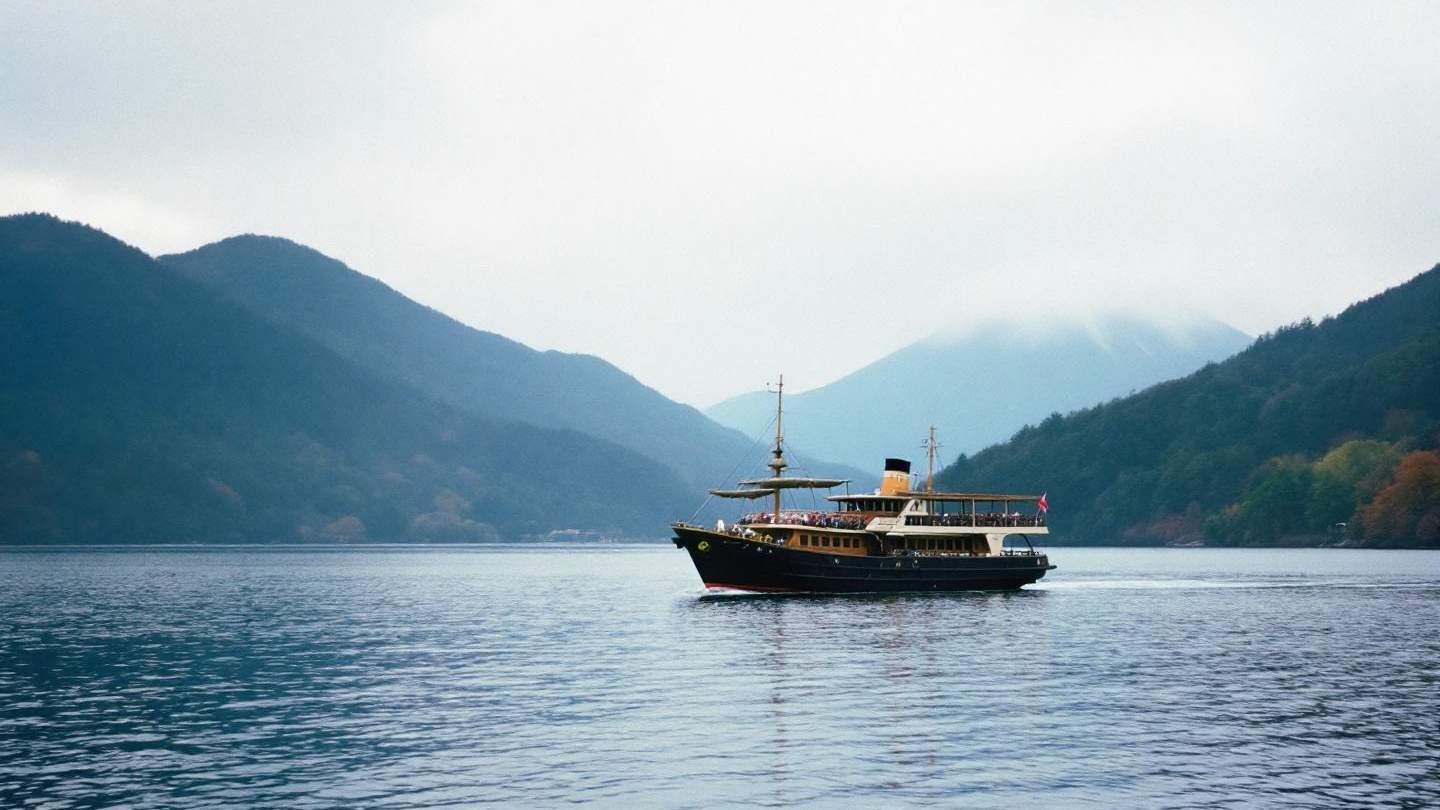
Hakone
Complete Hakone travel guide. Hot springs, Mount Fuji views, Lake Ashi, art museums, and the famous Hakone loop — just 90 minutes from Tokyo.
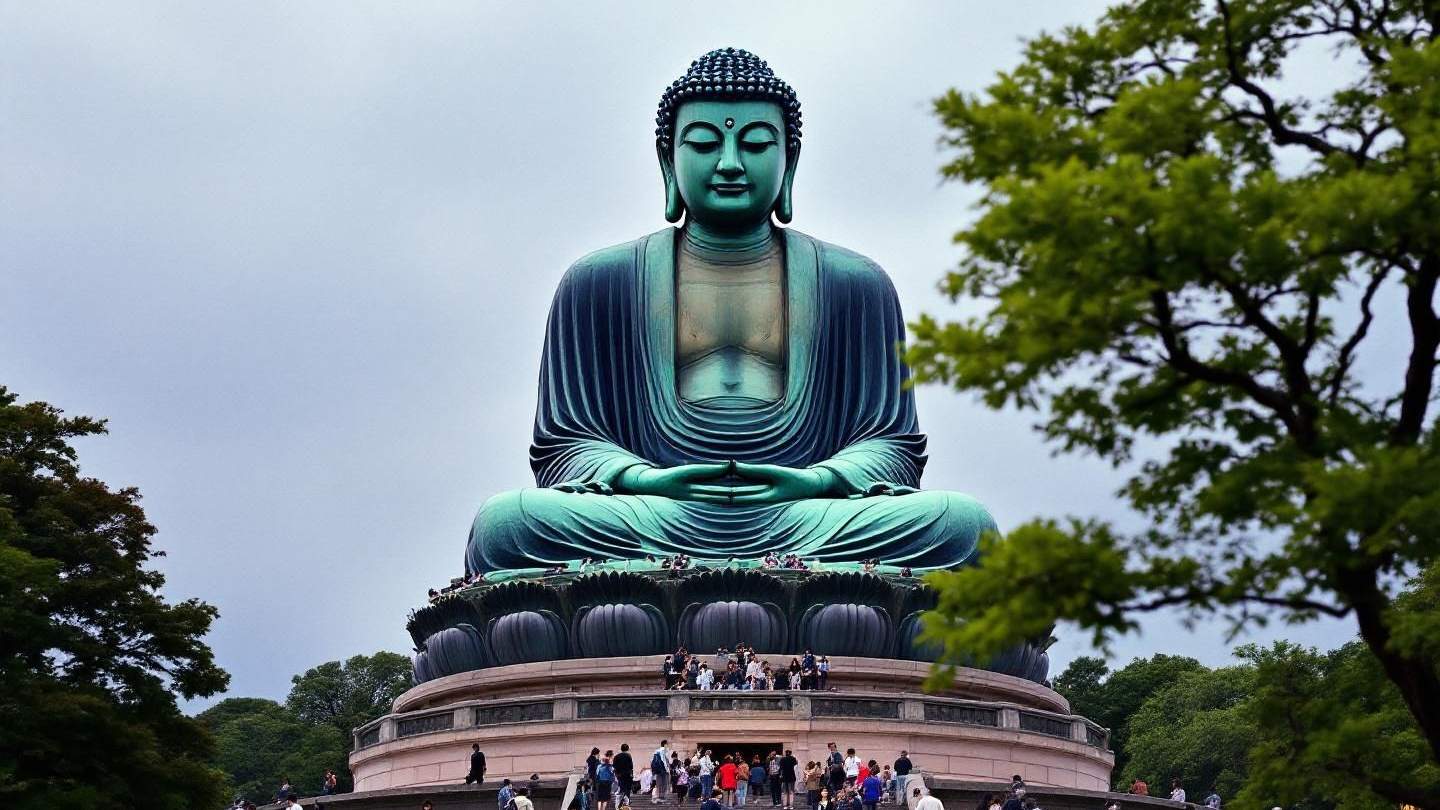
Kamakura
Complete Kamakura travel guide. Visit the Great Buddha, explore ancient temples, hike between shrines, and enjoy the coastal atmosphere south of Tokyo.
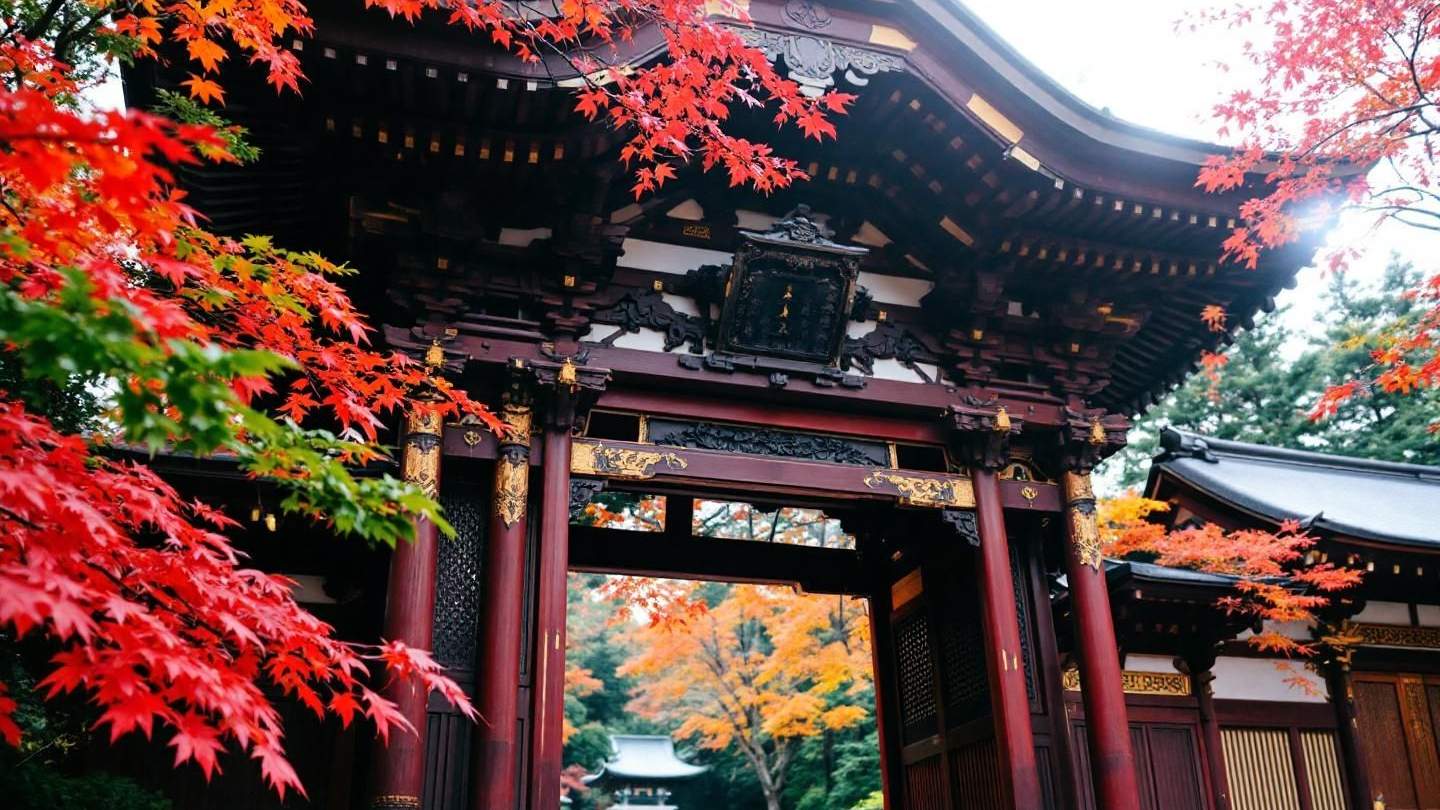
Nikko
Complete Nikko travel guide. Ornate Toshogu shrine, stunning autumn foliage, Kegon Falls, and natural beauty in the mountains north of Tokyo.
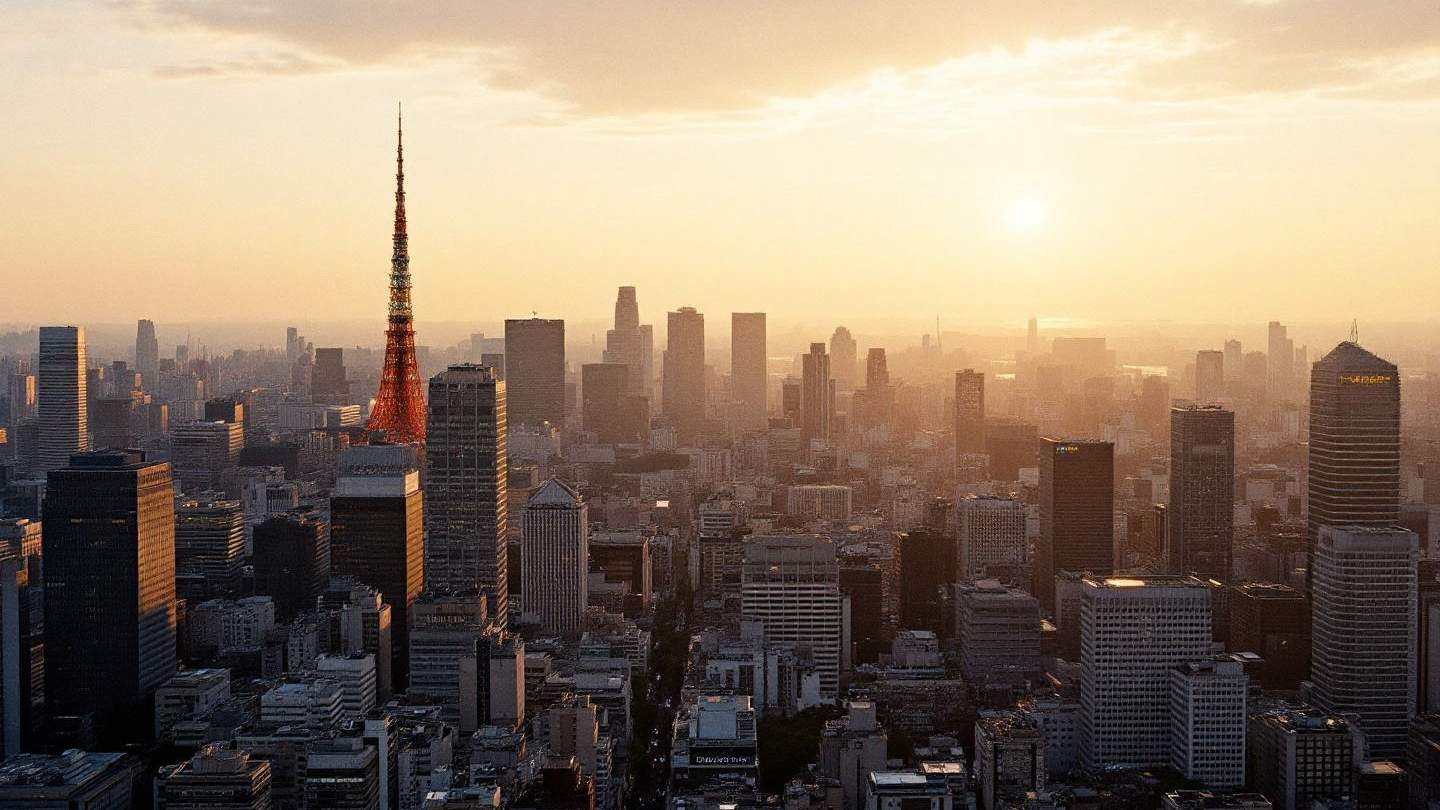
Tokyo
Best things to do, neighborhoods to explore, where to stay, how to get around, and practical tips for visiting Tokyo.
Kansai (Kyoto/Osaka region)
The cultural heartland of Japan: imperial Kyoto, food-obsessed Osaka, the sacred deer of Nara, and the wagyu capital Kobe — all reachable within 90 minutes by train.
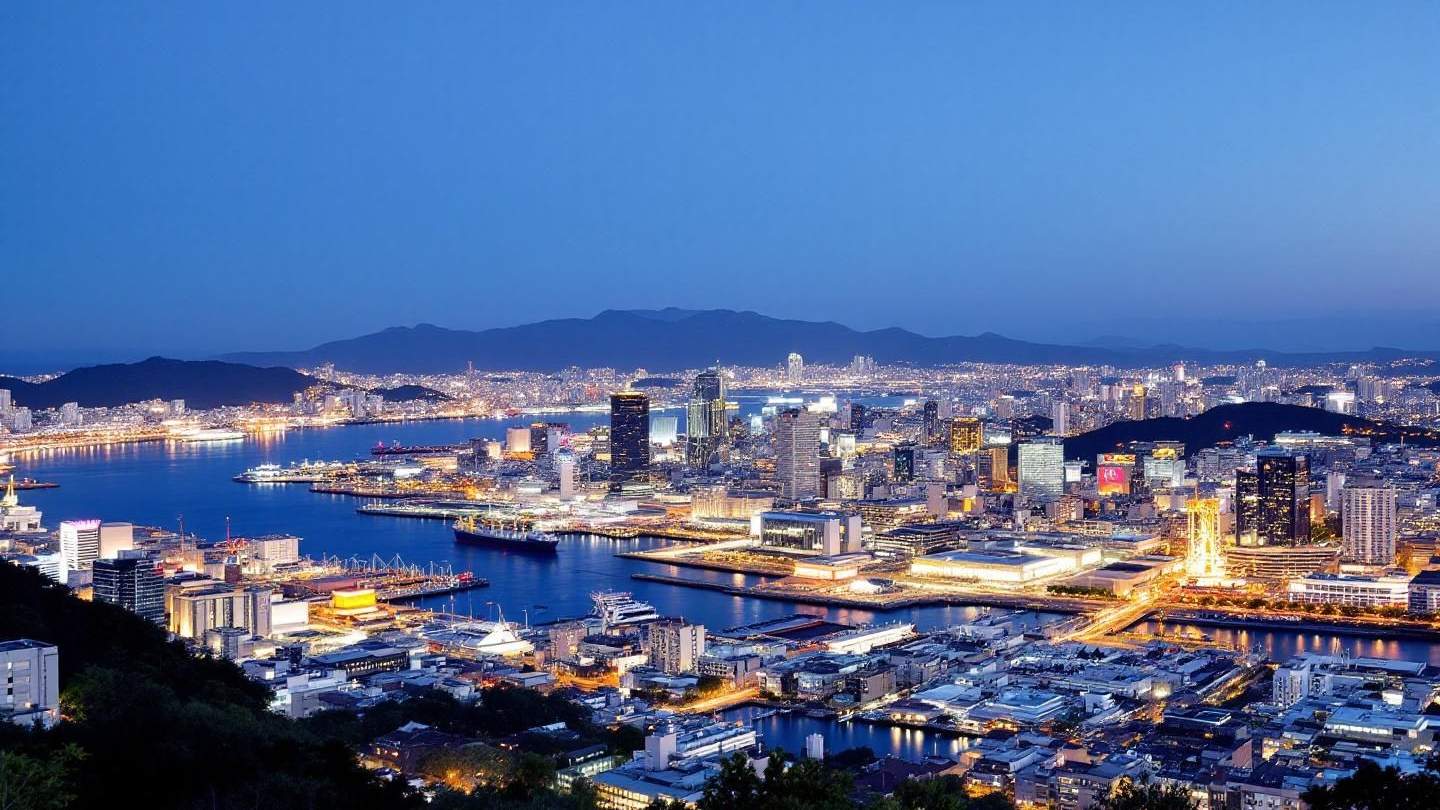
Kobe
Complete Kobe travel guide. World-famous beef, historic harbor, sake breweries in Nada, vibrant Chinatown, and stunning mountain-harbor scenery.
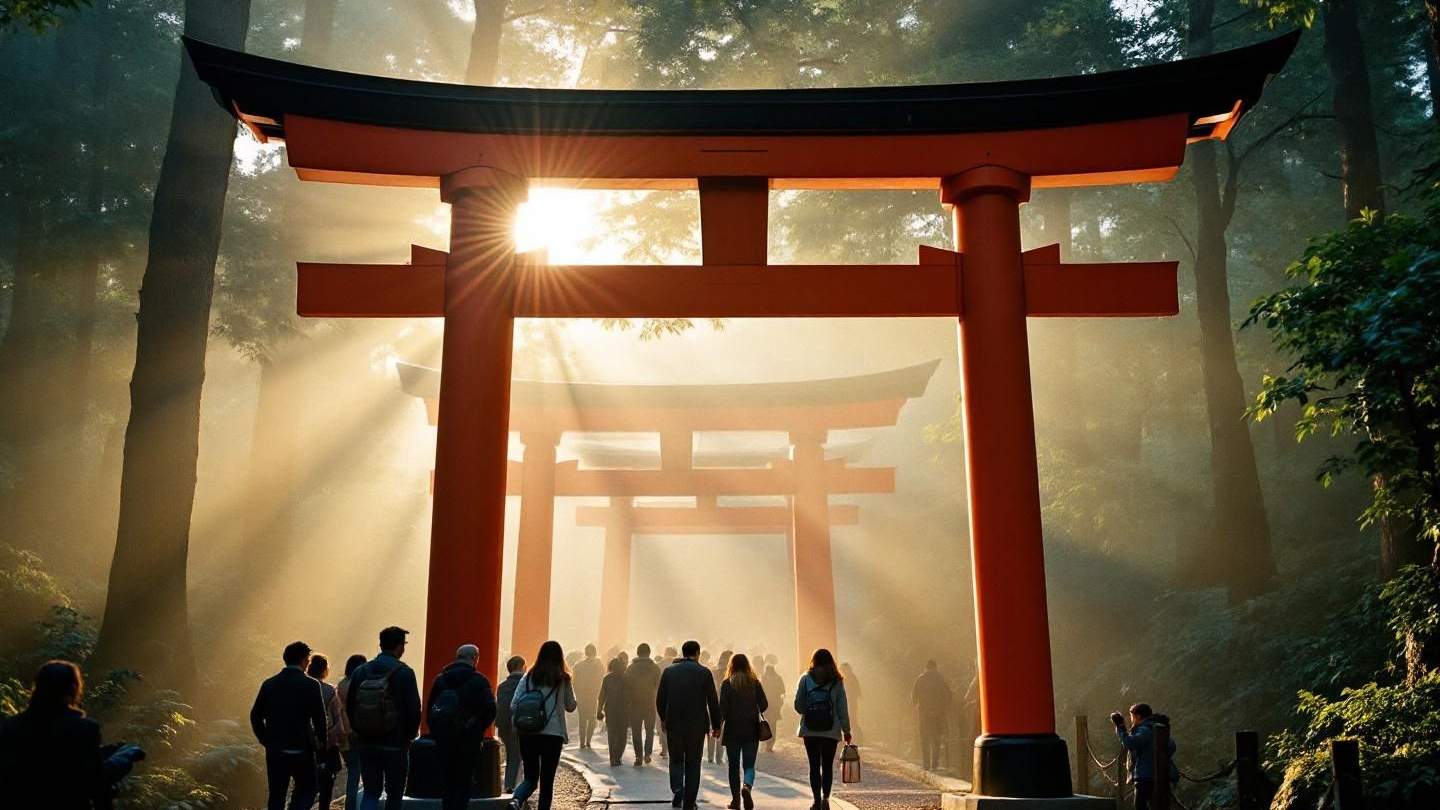
Kyoto
Complete Kyoto travel guide with the best temples, gardens, geisha districts, food spots, and practical tips to plan your visit.
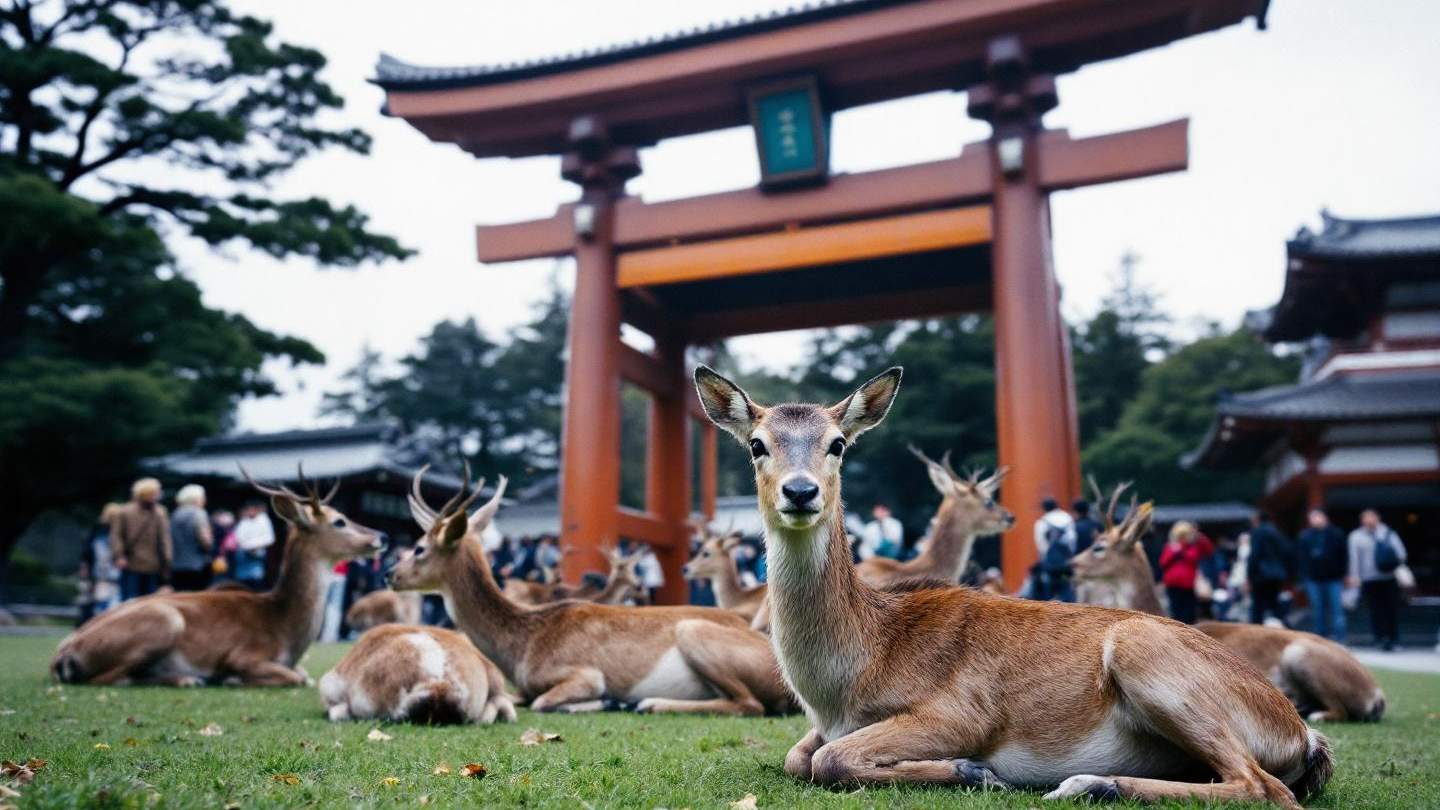
Nara
Complete Nara travel guide. Meet the famous deer, visit ancient temples, explore the first permanent capital of Japan, and plan the perfect day trip.
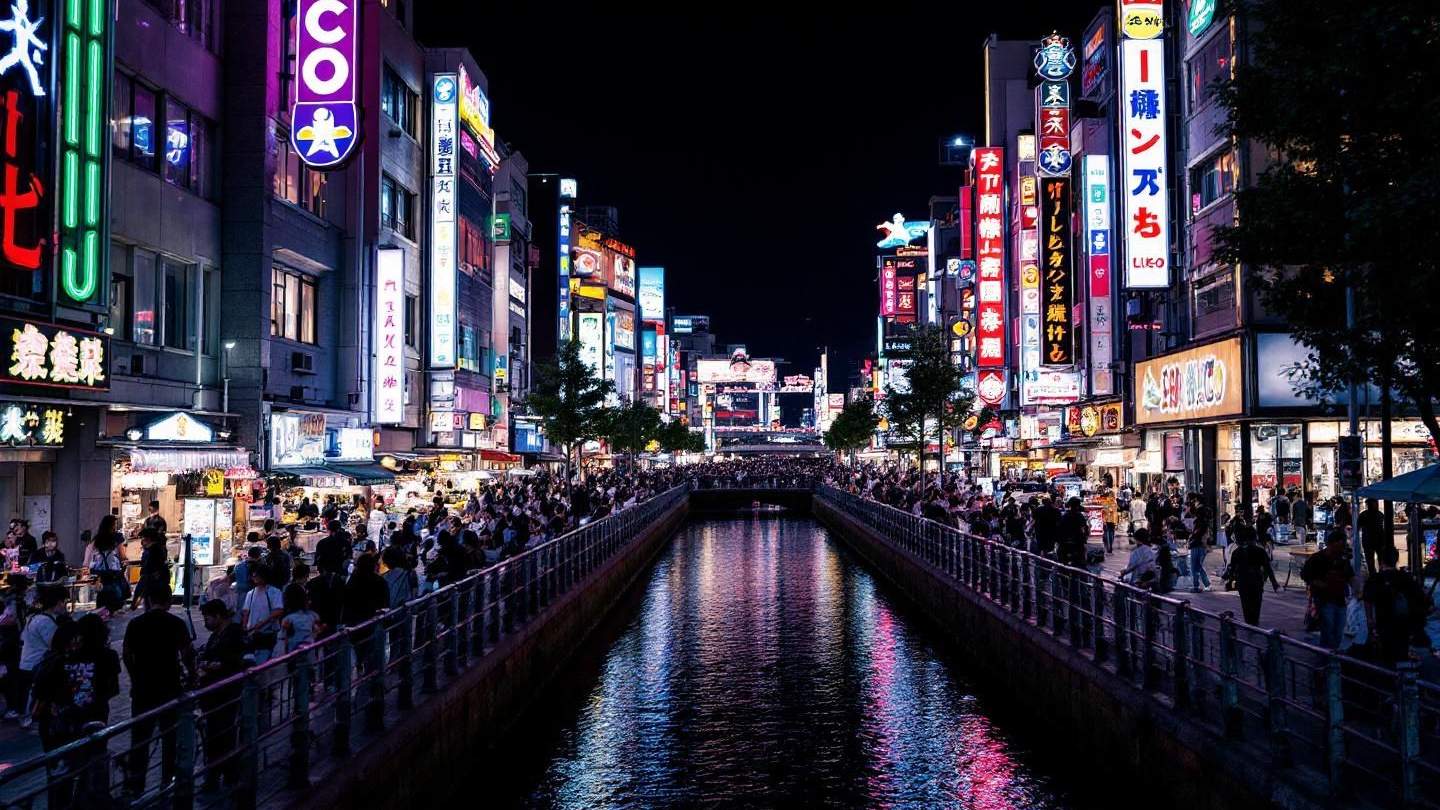
Osaka
Complete Osaka travel guide. Street food capital, vibrant nightlife, family-friendly attractions, and the warmest locals in Japan.
Chūbu (Japan Alps & central coast)
The mountainous spine of Honshu. Kanazawa's preserved samurai districts and Nagoya's gateway role make this region the under-rated middle of Japan.
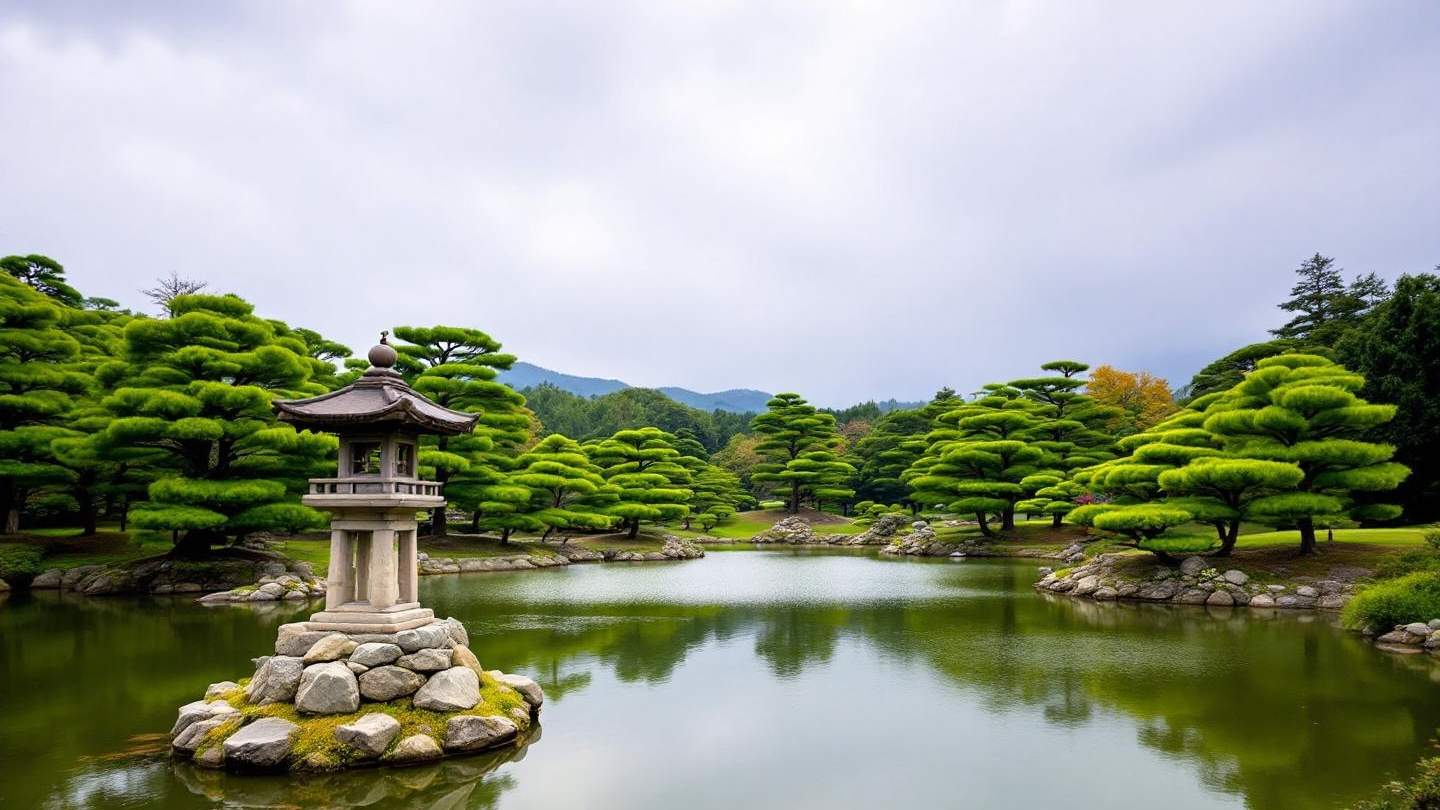
Kanazawa
Complete Kanazawa travel guide. One of Japan's best-preserved castle towns with stunning gardens, samurai and geisha districts, and world-class seafood.
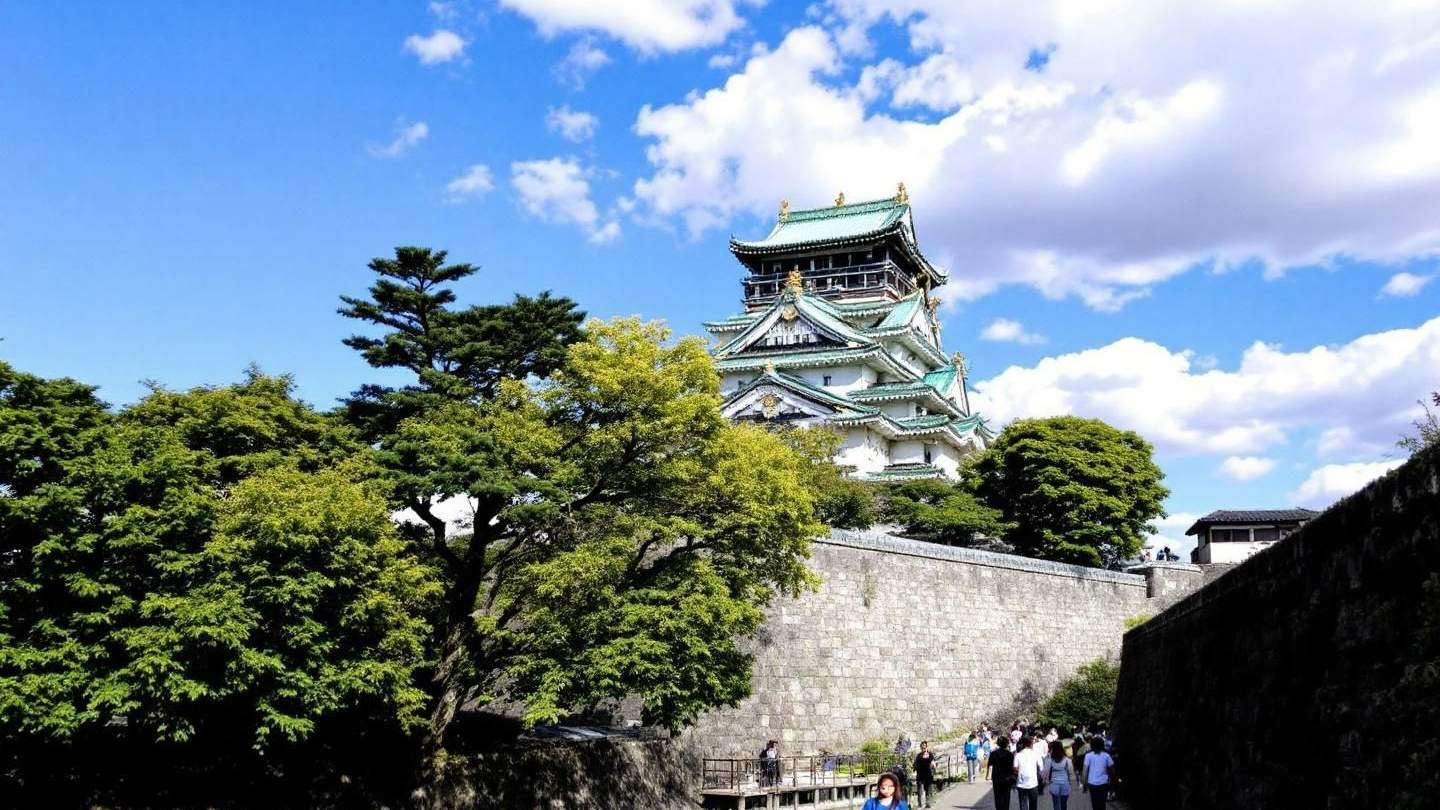
Nagoya
Often overlooked, Nagoya offers incredible food, a magnificent castle, and serves as the perfect base for central Japan exploration.
Chūgoku (Hiroshima region)
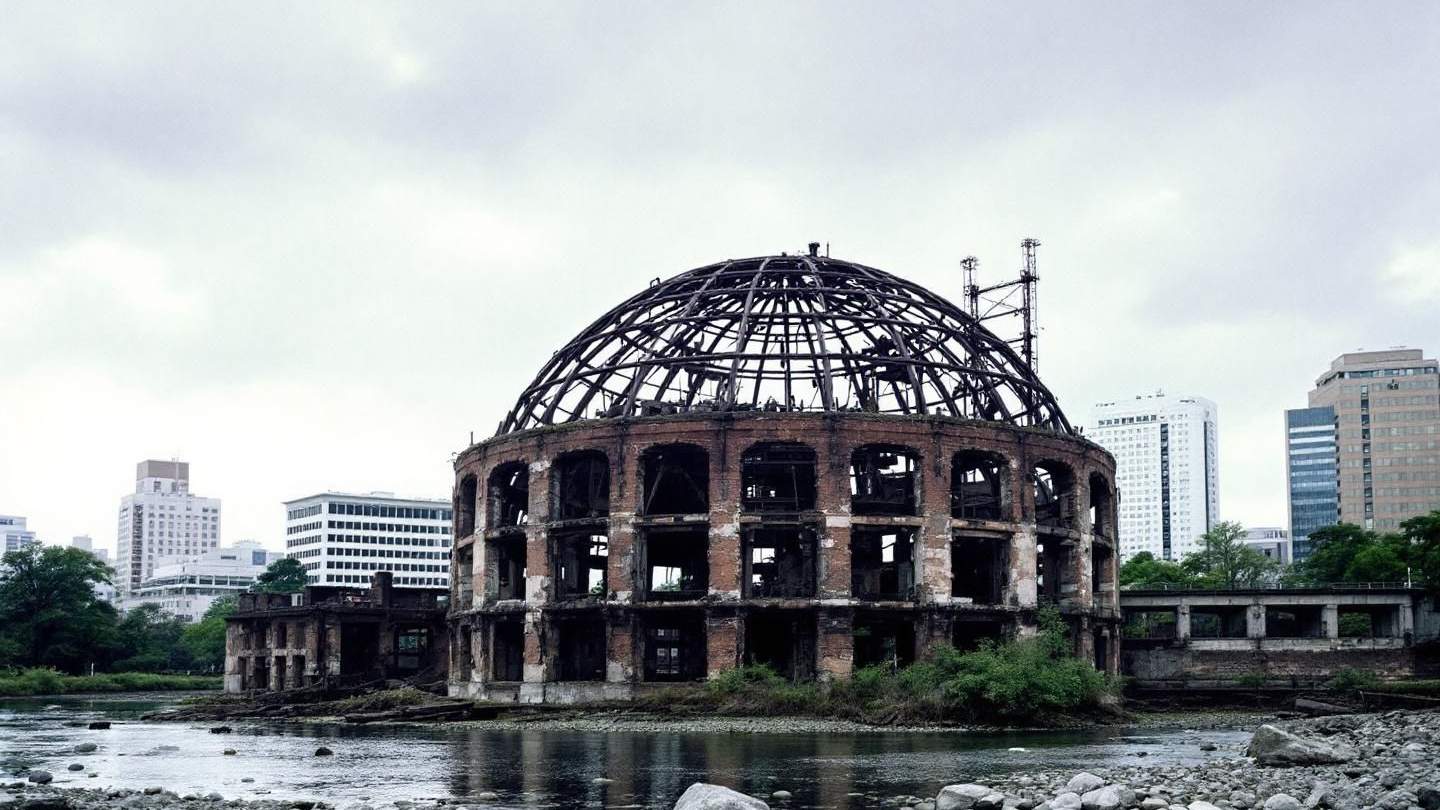
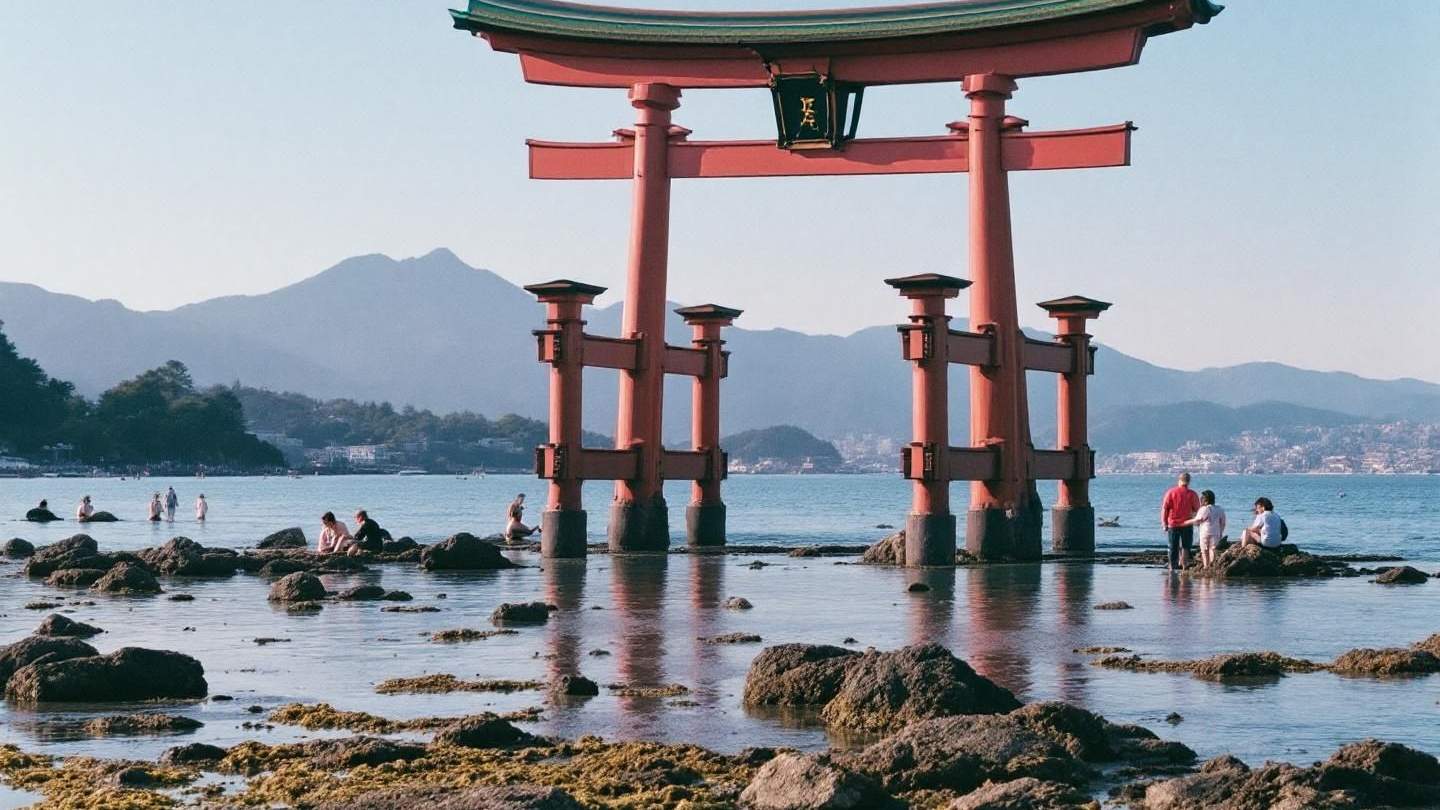
Western Honshu. Hiroshima's sobering Peace Park sits an hour from Miyajima's floating torii — the contrast is one of Japan's most powerful day pairings.
Kyūshū (southern island)
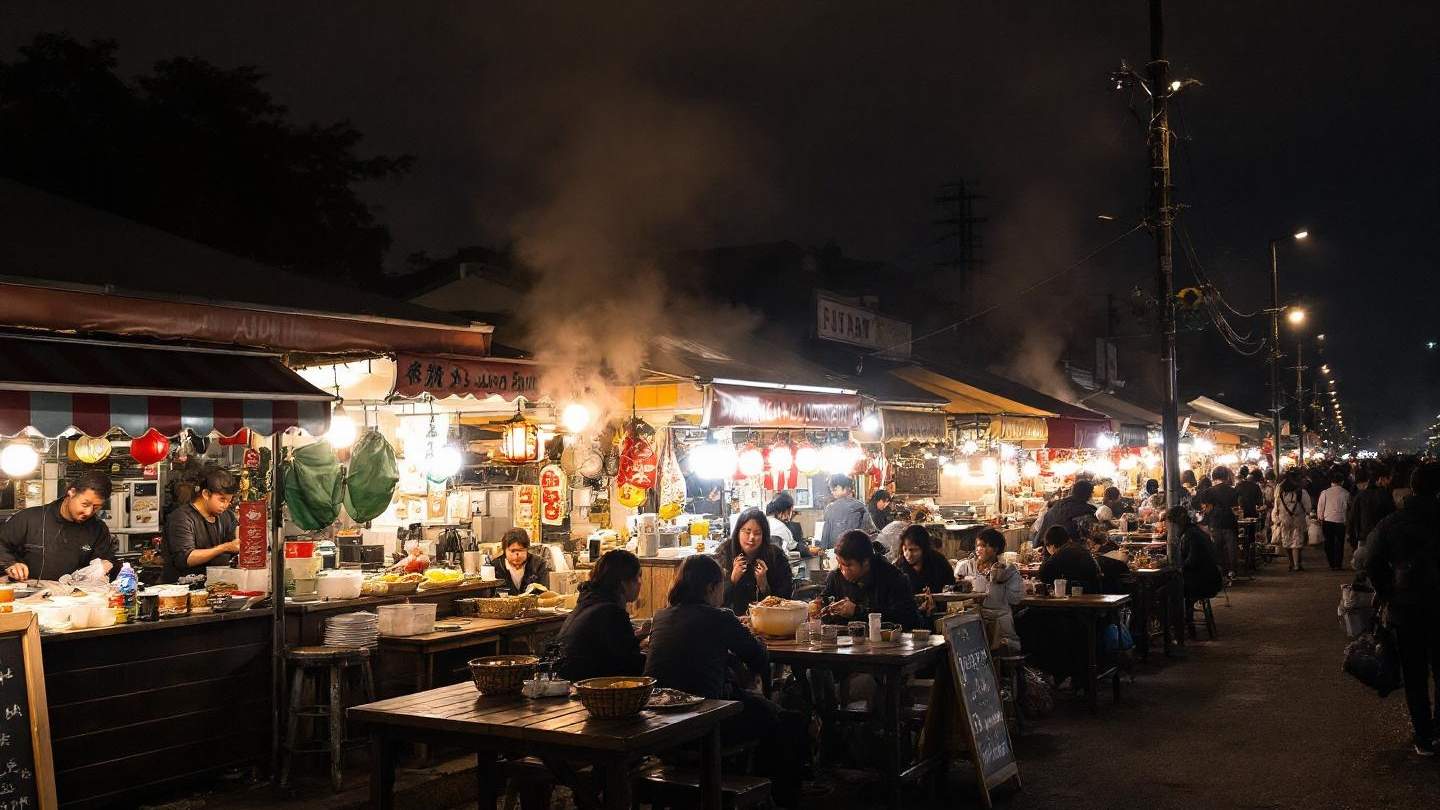
Japan's southwestern island. Fukuoka leads on street food (the famous yatai stalls), Kumamoto on castles, and Beppu on volcanic onsen.
Hokkaidō (northern island)
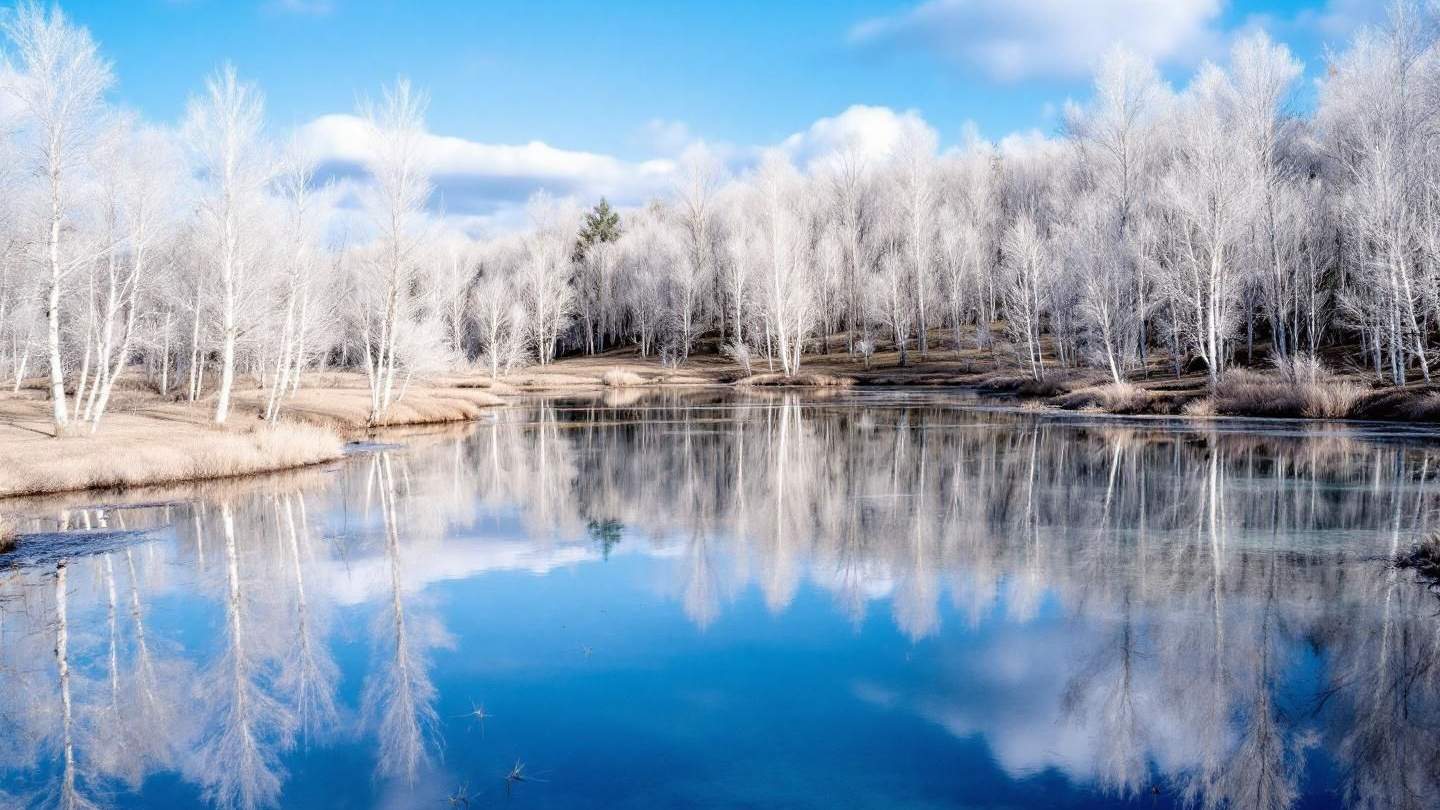
Japan's wild north. Powder snow capital in winter, lavender fields in summer, fresh seafood year-round — and the country's lowest density of crowds.
Okinawa (southern islands)
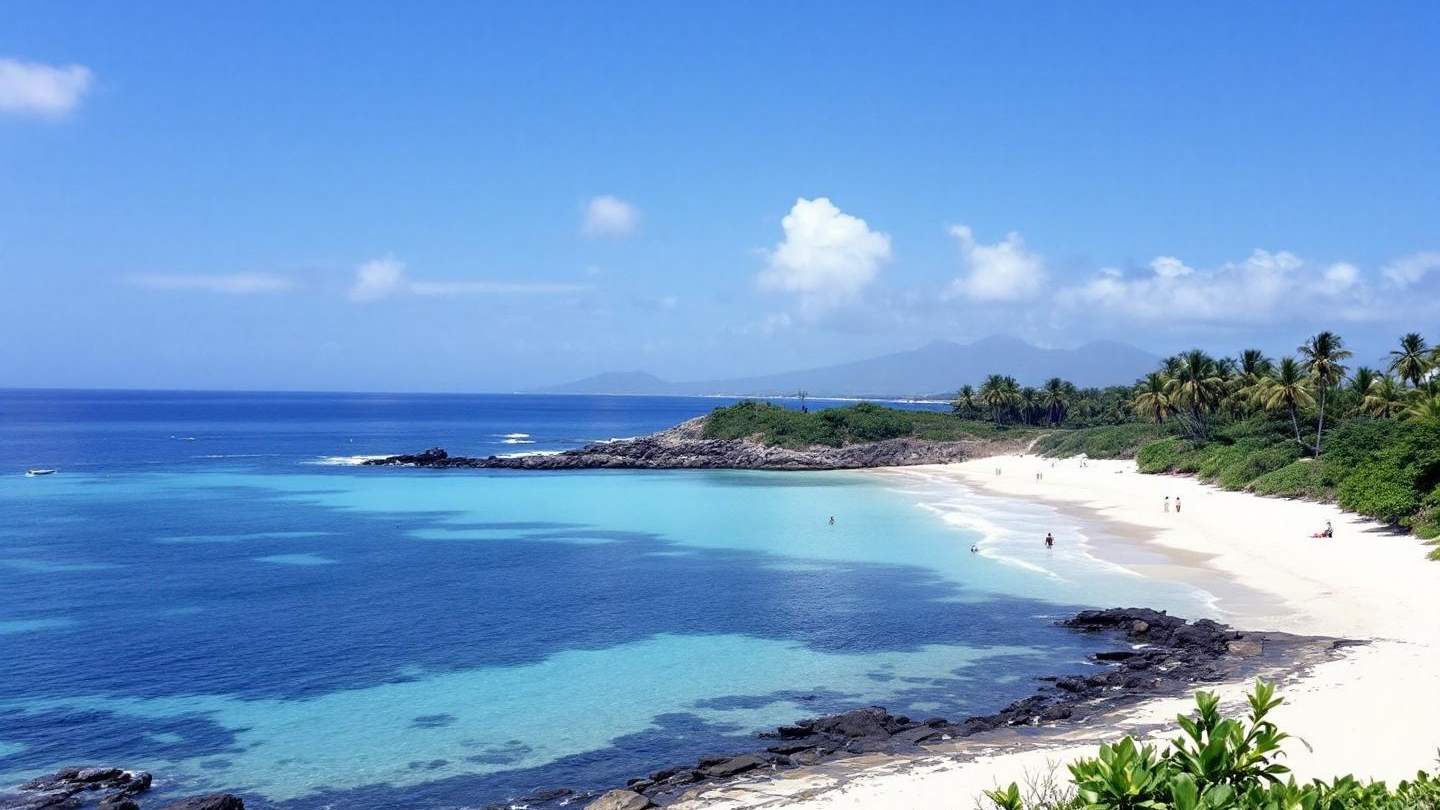
The tropical archipelago south of mainland Japan. Distinct Ryukyuan culture, white-sand beaches, and the country's warmest winters.