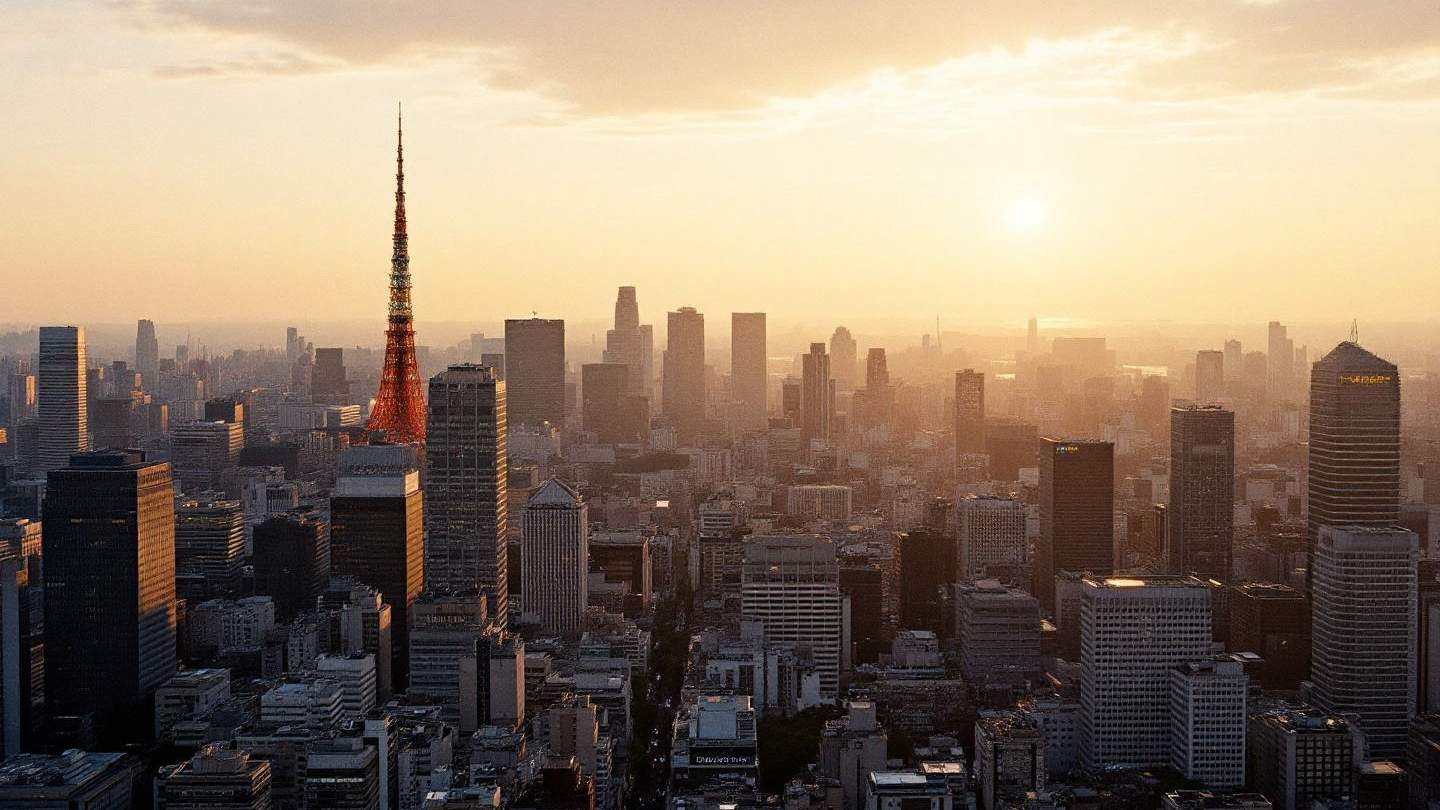
Tokyo in 3 Days
Is 3 days enough for Tokyo?
Three days covers the core Tokyo experience well — enough for Asakusa, Shibuya, Shinjuku, Harajuku, teamLab, and one day trip (Mount Fuji or Kamakura). You will not be rushed. First-timers regularly say 3 days was the sweet spot: enough to find rhythm in the city without feeling overwhelmed.
Three days in Tokyo is the right amount for a first visit. Enough to stop rushing, enough to discover a neighborhood by accident, enough to understand why so many people come back. Here is the route.
| At a glance | |
|---|---|
| Best for | First-time visitors who want the core city plus one proper day trip |
| Cost | Around 40,000–60,000 yen/day total per person including accommodation, excluding flights |
| Getting around | Suica or Pasmo IC card, loaded with around 3,000 yen |
| Best base | Shinjuku, for transit access and the Day 3 bus departure point |
| Book ahead | teamLab Planets tickets, and the Day 3 day-trip tour if you want it guided |
Day 1: Asakusa, Ueno, Akihabara, Shibuya
Morning: Asakusa (8:00–10:30)
Start early at Asakusa. Sensoji Temple is one of the few world-famous tourist sites that genuinely rewards arriving at 8 am — before the tour buses, while the incense hangs still in the courtyard air.
Enter through the Kaminarimon gate, walk the full Nakamise-dori, reach the main hall, light incense, draw an omikuji (100 yen), and continue around back to the pagoda. The adjacent Asakusa Shrine (free) is often overlooked by first-timers and takes only 10 minutes to walk through.
Before leaving, walk to the Sumida River embankment (5 minutes north) for the view of the Skytree framed over the river. Then take the subway south.
Mid-Morning: Ueno (10:30–12:30)
Ueno is one stop from Asakusa on the Ginza Line. Ueno Park is Japan’s oldest public park and contains several of the country’s best museums. On a first visit, the Tokyo National Museum (1,000 yen) is the one worth entering — the main Honkan hall covers Japanese art, armor, ceramics, and textiles in a comprehensible overview. Even 45 minutes here gives real context to everything you see in temples and shrines for the rest of your trip.
Skip the zoo and the other Ueno museums on a 3-day trip. Walk through the park briefly, note the pond (Shinobazu Pond, with its floating lotus field and bird sanctuary), and continue to Akihabara.
Afternoon: Akihabara (13:00–15:00)
Akihabara is 15 minutes by JR from Ueno. Even if anime and electronics are not your thing, the visual spectacle is remarkable. Walk down Chuo Dori and into the side streets. Yodobashi Camera is genuinely one of the world’s best electronics shops — worth entering for cameras, adapters, or portable battery packs.
Keep the Akihabara visit to 90 minutes and move on.
Evening: Shibuya and Golden Gai (17:00–late)
Shibuya for the Scramble Crossing — approach it from the street first, cross it, then view from above (Starbucks second floor is free; Shibuya Sky observation deck is 2,000 yen but gives the best aerial shot). Allow 45 minutes in Shibuya then take the Yamanote Line to Shinjuku.
Shinjuku evening: walk through Kabukicho, find Golden Gai. This is the unmissable Tokyo evening — 200 micro-bars in six alleys, each seating six to ten people, each with its own character. Cover charge is 500–1,000 yen per bar. Go to two bars, talk to whoever is there, drink whatever they recommend.
Dinner: ramen somewhere in the Shinjuku grid. Budget 900–1,200 yen.
Day 2: Tsukiji, Harajuku, Meiji Shrine, teamLab
Morning: Tsukiji Market (7:00–10:00)
The Tsukiji outer market is the best morning food experience in Tokyo. Arrive by 7 am. Walk the narrow market alleys first — fresh seafood, tamagoyaki being cooked on griddles, shellfish grilling on charcoal. Then sit down at one of the sushi counters for a proper breakfast (1,500–3,000 yen).
Tsukiji Market Sushi & Washoku Morning Tour
Guided 3-hour morning walk through Tsukiji with a local — sushi counter breakfast, market tastings, and genuine food culture context. Worth every yen on Day 1 or 2 of a Tokyo trip.
Mid-Morning: Harajuku (10:30–12:30)
From Tsukiji take the Hibiya Line to Meiji-Jingumae (Harajuku). Meiji Shrine is directly outside. Walk the full gravel path through the forested precinct — it takes about 20 minutes to reach the inner shrine from the entrance gate. The contrast of a 70-hectare woodland in the middle of Tokyo is immediate and real.
After the shrine, cross into Harajuku. Takeshita Street (the famous pedestrianized youth fashion lane) is worth a walk even if you are not the target demographic — it is a specific kind of Tokyo you will not see elsewhere. Crepes from a street vendor (600–900 yen) are legitimately good. Then walk the backstreets west of Omotesando — Ura-Harajuku — for independent boutiques and vintage shops.
Afternoon: Omotesando Lunch and Free Time (12:30–15:00)
Omotesando is Tokyo’s most architecturally interesting boulevard — zelkova-lined, with flagship stores designed by Tadao Ando, SANAA, and Herzog and de Meuron. Walk slowly. Lunch in the Omotesando Hills underground floor: 1,500–2,500 yen.
The early afternoon is built-in free time. Wander, buy things, sit in a cafe. Tokyo rewards slowing down.
Late Afternoon: teamLab Planets (15:30–17:30)
teamLab Planets in Toyosu is the best paid attraction in Tokyo. The immersive digital art experience involves walking barefoot through mirror-floored rooms of projected light, floating flowers, and crystal-clear water. It sounds like a gimmick. It is not. Book in advance — it sells out weeks ahead.
Reach Toyosu from Harajuku or Shibuya: take the Hibiya Line to Tsukishima, transfer to the Yurikamome line for Shin-Toyosu, or use Google Maps routing. About 45 minutes.
teamLab Planets Tokyo — Entry Ticket
One of the world's great contemporary art experiences. Book your slot before the trip — weekend and peak-season tickets disappear weeks in advance. Free cancellation available.
Evening: Explore (19:00 onward)
Two good options:
- Return to Asakusa — it is uncrowded at night, the temple is illuminated, and the surrounding streets have excellent yakitori and tempura restaurants.
- Stay in the Omotesando or Daikanyama area for a quieter dinner at one of the neighborhood restaurants (2,500–4,000 yen per person).
Day 3: Mount Fuji Day Trip
The Full Day
Day 3 belongs entirely to a single day trip. The most popular choice for 3-day Tokyo visitors is Mount Fuji and Lake Kawaguchiko — two hours from Shinjuku by bus or private tour.
From Shinjuku, buses run regularly to Fuji Five Lakes (about 2,000 yen one-way). At Kawaguchiko you have the classic Fuji views across the lake, the Chureito Pagoda (a 20-minute climb worth every step), hot spring facilities, and good cafes in the resort town. A full day here with a comfortable return gets you back to Shinjuku by 8 pm.
The organized day trip option saves navigation work and often includes multiple viewpoints that are hard to combine independently.
Mount Fuji Day Trip from Tokyo
Full-day excursion to Mount Fuji's fifth station, Lake Kawaguchiko viewpoints, and Gotemba Premium Outlets — guided with English commentary and all transport included.
Alternative if Mount Fuji is cloudy (which it often is): go to Kamakura instead. The Great Buddha (Kotoku-in) is 45 minutes from Tokyo by JR, followed by a coastal walk, Enoshima Island, and the Enoden tram line. Kamakura is a completely different tone from Fuji — quieter, greener, with less tourist infrastructure but more character.
Where to Stay
Shinjuku for most travelers. The combination of transit hub, hotel density, nightlife, and the convenience for day trips (the Fuji bus departs from Shinjuku) makes it the best base for 3 days. Budget 10,000–18,000 yen per night for a mid-range double.
Shibuya if you are prioritizing modern Tokyo culture and nightlife over transit convenience. The Shibuya area has excellent newer hotels; slightly more expensive than Shinjuku equivalents.
Asakusa if you want the older, quieter version of Tokyo as your base. Better for the Day 2 temple visit, better for accidental discovery, slightly worse for transit efficiency.
Getting Around
Pick up a Suica or Pasmo IC card at the airport. Load 3,000 yen. Top up at any station machine. This handles all subway, JR, and bus travel in Tokyo without calculating fares.
The Yamanote Line is your main friend — it loops around central Tokyo and connects Shinjuku, Harajuku, Shibuya, Ueno, and Akihabara. All trains are clearly numbered and signed in English.
For the day trip: buses to Kawaguchiko depart from Shinjuku’s south exit (Busta Shinjuku bus terminal). Show up 15 minutes early, buy the ticket at the counter.
What to Skip in 3 Days
Day trips to both Fuji and Kamakura. Pick one. Trying to do both is a recipe for a day of exhausting transit with minimal time at either place.
The Tokyo Skytree. Overpriced for what it is. The free observation deck at the Tokyo Metropolitan Government Building in Shinjuku gives a comparable view at no cost (open until 10:30 pm most nights).
Full-day museum visits. The Tokyo National Museum deserves 90 minutes — not a full day. Tokyo is not primarily a museum city.
Shibuya Sky and Mori Art Museum on the same day. Pick one paid viewpoint. Two is redundant.
Day-by-Day Summary
| Day | Morning | Afternoon | Evening |
|---|---|---|---|
| Day 1 | Asakusa (Sensoji, Nakamise-dori) | Ueno, Akihabara | Shibuya, Golden Gai |
| Day 2 | Tsukiji outer market | Harajuku, Meiji Shrine, Omotesando | teamLab Planets |
| Day 3 | Mount Fuji or Kamakura day trip | (continued) | Return to Shinjuku |
If You Have More or Less Time
With only 2 days, drop the Day 3 excursion and Ueno/Akihabara entirely — our Tokyo in 2 days itinerary is the tighter version built around that constraint. With a 4th day, add a second day trip or a deeper dive into one neighborhood rather than rushing through more sights; see Tokyo in 4 days for that expanded route. For context on the rest of the city beyond this itinerary, the Tokyo things to do guide and Tokyo museums page are useful, and the Tokyo food guide goes far deeper on where to eat than a day-by-day itinerary can.
Tips for a 3-Day Tokyo Trip
- Arrive with a plan for Day 1. The stimulation of a new city plus jet lag can paralyze. Having a first-day list removes decision fatigue.
- Book teamLab Planets the moment you confirm your trip. Not the day before.
- Eat in convenience stores without guilt. Onigiri, sandwiches, and hot food in Japanese 7-Elevens are legitimately good.
- Walk between nearby attractions instead of taking the subway every time. Harajuku to Omotesando is 10 minutes on foot. Shibuya to Daikanyama is 15. The streets between points are often more interesting than the points themselves.
- Confirm the weather forecast for Day 3 before committing to Mount Fuji. Clear days give you the full mountain experience; cloudy days give you almost nothing. The Kamakura alternative is cloud-proof.
- Dinner under 2,000 yen is easy in Tokyo. Spend money on one great experience (teamLab, the Tsukiji tour) rather than spreading the budget thin across mediocre restaurant meals.
More tours on Viator
Top-rated experiences with verified reviews, bookable on Viator (a Tripadvisor company).
 Viator
Tokyo: Make Your Own Chopsticks Shibuya
FromUSD 11Check availability → Viator
Private Curated Tour | Get Tokyo’s Must Sees & Unique Insights
FromUSD 144Check availability → Viator
Akihabara Tailor-made Private Tour for Anime Fans
FromUSD 128Check availability → Viator
Experience all of Japanese culture and Japanese food experience classes "origami, udon, Japanese food, green tea, calligraphy" in 4 hours
FromUSD 89Check availability → Viator
Samurai Experience - Learn Bushido through Kendo, in Tokyo
FromUSD 128Check availability → Viator