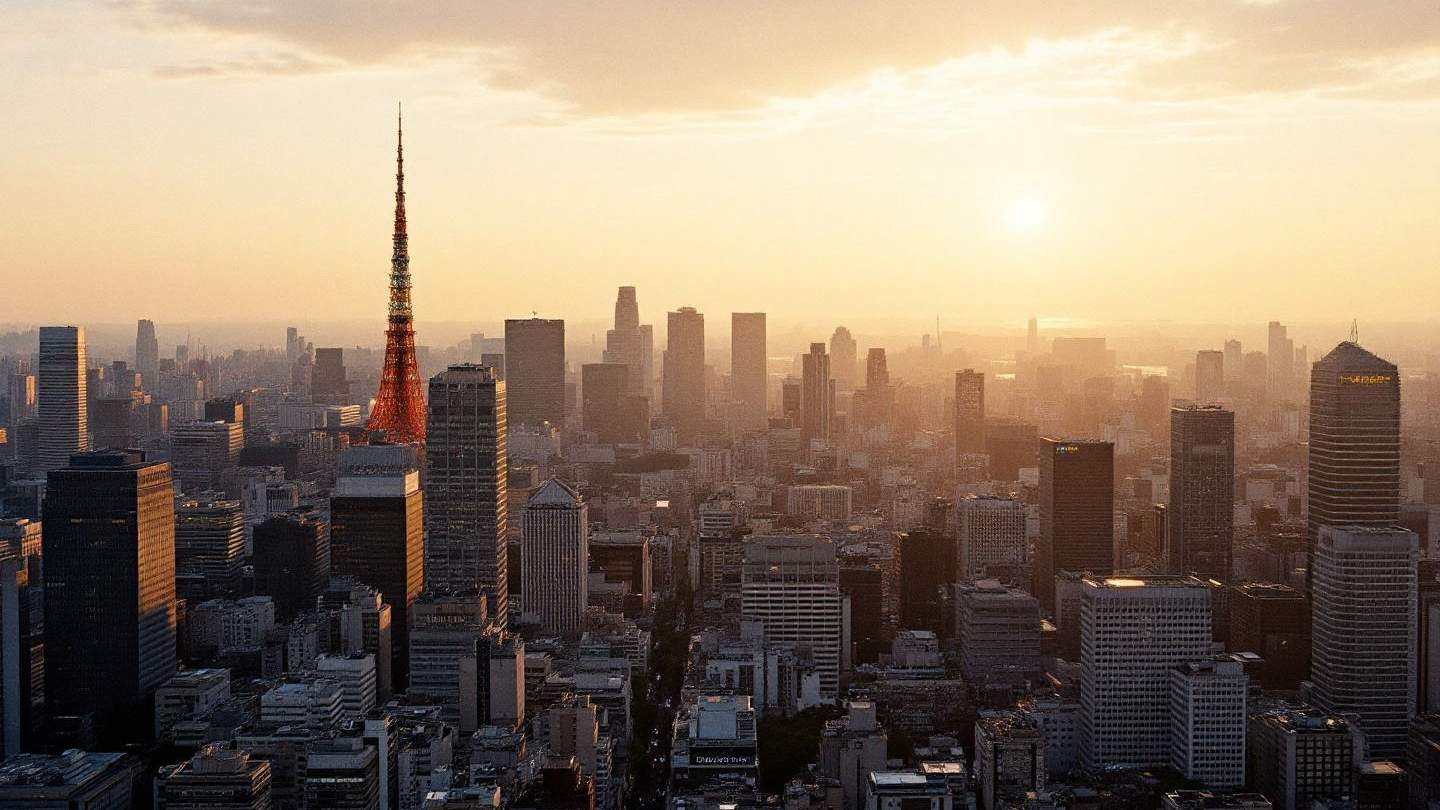
Tokyo in 2 Days
Is 2 days enough for Tokyo?
Two days gives you a genuine taste of Tokyo's highlights — Shinjuku, Shibuya, Asakusa, and one world-class experience like teamLab. You will not cover everything, but you will feel the city. Skip the day trips and the museums on a 2-day visit. Focus on neighborhoods and food.
Two days in Tokyo means choosing. Skip the museums, skip the day trips — your goal is to feel the city, not check boxes. Here is the route that gives you the best of Tokyo without sprint-running it.
| At a glance | |
|---|---|
| Best for | First-timers with a short layover or a Tokyo-only leg of a longer Japan trip |
| Cost | Around ¥15,000–¥25,000/day per person excluding hotel, more with teamLab and a food tour |
| Getting around | Suica or Pasmo IC card, loaded with around ¥3,000 |
| Best base | Shinjuku or Shibuya for central transit access |
| Book ahead | teamLab Planets tickets — they sell out weeks in advance |
Day 1: Asakusa, Shibuya, and Golden Gai
Morning: Asakusa (8:00–11:00)
Start at Asakusa before the crowds arrive. The Kaminarimon gate and Sensoji Temple look completely different at 8 am versus noon — early morning is when monks are present, incense hangs low over the courtyard, and the tourist volume is manageable.
Walk the full length of Nakamise-dori, the shopping street leading to the main gate. Most shops are shuttered at 8 am, which is actually ideal — you can walk it without being jostled. Reach the main hall, light incense, draw an omikuji fortune slip (100 yen), and continue around back to the five-storied pagoda.
After the temple, walk north along the Sumida River toward the Asahi Beer Hall building — the golden sculpture on top is either a flame or something else, depending on who you ask. The riverside walk takes about 20 minutes and gives you the Tokyo Skytree framed against the city. Skip the Skytree itself — 2,100 yen to stand in a crowd is not a good use of a 2-day trip.
From Asakusa, take the subway to Shibuya (Ginza Line, about 30 minutes, 250 yen).
Afternoon: Shibuya (11:30–17:00)
Shibuya is two things: an iconic crossing and a genuinely interesting neighborhood to walk. Do both.
Exit at Shibuya Station’s Hachiko exit and walk to the scramble. Stand at street level first — wait for the light to change, cross with the crowd, feel the organized chaos of 2,000 people moving in all directions simultaneously. Then go up: the Starbucks on the second floor of the Mag’s Park building, or the Scramble Square observation deck (2,000 yen), gives you the aerial view that photographs well. Do one, not both.
From there, walk south into the Daikanyama neighborhood — about 15 minutes on foot. Daikanyama is everything Shibuya is not: quiet side streets, independent cafes, architecture worth looking at. The Tsutaya Books complex (open until midnight) is worth 30 minutes. Lunch in Daikanyama runs 1,200–2,000 yen at any of the casual spots along Kyusan-dori.
Return to Shibuya in the mid-afternoon. The Shibuya Stream building, the Scramble Square mall, and the Tokyu department stores are worth a walk through if shopping interests you. If not, just wander.
Shibuya Walking Food Tour
Yakitori, ramen, izakaya bites, and Tokyo street food on a guided walk through Shibuya's best eating streets. A fast, efficient way to eat well in a new city.
Evening: Shinjuku and Golden Gai (18:00–late)
From Shibuya, take the JR Yamanote Line two stops to Shinjuku (5 minutes). This is your base for the evening.
Walk east of Shinjuku Station into Kabukicho — Tokyo’s largest entertainment district. It is busy, garish, and unmistakably Tokyo. Do not feel obligated to go into anything; just walk.
Golden Gai is the highlight. It is a tiny enclave of 200 micro-bars tucked into six narrow alleyways just east of Kabukicho. Each bar seats six to ten people, each has a different personality, and most have a 500–1,000 yen cover charge. Walk in, pick a bar that appeals to you, sit down, order a highball. This is one of the most distinctive experiences Tokyo offers and it costs very little.
Dinner: ramen in one of the Shinjuku shops before or after Golden Gai. Ichiran (the solo-booth ramen chain) has a branch near Kabukicho and is worth trying for the experience — around 1,000 yen for a bowl and all the toppings you want.
Day 2: Tsukiji, Harajuku, teamLab
Morning: Tsukiji Market (7:00–10:00)
Tsukiji outer market is the best morning in Tokyo. The inner wholesale market has moved to Toyosu, but the outer market — the warren of stalls selling fresh seafood, tamagoyaki, pickles, and street food — remains. Arrive by 7 am for the full atmosphere.
Do a market walk first (free, just wander), then eat. A sushi breakfast at one of the sit-down counters runs 1,500–3,000 yen. Tamagoyaki on a stick is 150 yen. There is no bad choice here.
If you want a guided context to the market before eating, the morning washoku tour is one of the best value food experiences in Tokyo.
Tsukiji Market Sushi & Washoku Morning Tour
3-hour guided walk through Tsukiji outer market with a local expert — sushi counter breakfast, tastings at key stalls, and context on Japanese food culture you would not find solo.
Afternoon: Harajuku and Omotesando (11:00–15:00)
From Tsukiji, take the subway to Harajuku (Hibiya Line to Meiji-Jingumae, 25 minutes). Meiji Shrine is directly next to the station and free to enter.
Walk the full gravel path through the forested precinct to the main shrine — about 20 minutes each way. The contrast of stepping from a major Tokyo intersection into 70 hectares of woodland is immediate and calming. Allow 45 minutes here.
After the shrine, walk south into Omotesando — Tokyo’s most architecturally interesting shopping street. The boulevard is lined with flagship stores designed by Tadao Ando, SANAA, and Herzog and de Meuron. You do not need to shop — just walk slowly and look at the buildings. Lunch in the Omotesando Hills mall (underground floor for casual Japanese) runs 1,500–2,500 yen.
From Omotesando, continue on foot to Shibuya (15 minutes south) for the teamLab transfer, or take the subway directly to Toyosu.
Late Afternoon: teamLab Planets (15:30–17:30)
teamLab Planets in Toyosu is the better of the two teamLab venues. It is more contained, more immersive, and consistently produces the photographs you have seen online. The experience involves walking barefoot through rooms of floor-level mirrors and projected light — it sounds gimmicky and is genuinely extraordinary.
Book in advance — tickets sell out weeks ahead, especially on weekends. The visit takes about 60–90 minutes. Budget a 40-minute subway journey each way from Harajuku or Shibuya (Toyosu is in the southeast of the city).
teamLab Planets Tokyo — Advance Entry Ticket
Skip the sold-out days: digital art immersion in Toyosu with floor-to-ceiling mirror rooms, floating flowers, and light forests. Book before your trip to guarantee entry.
Evening: Return to Shinjuku or Asakusa
No fixed plan for the second evening. Options:
- Return to Shinjuku and explore Omoide Yokocho (Memory Lane) — a narrow alley of yakitori skewer restaurants under the train tracks, with smoke, noise, and character.
- Walk the Kiyosumi-Shirakawa or Yanaka neighborhoods for a quieter Tokyo evening.
- Return to Asakusa at night — the temple is illuminated and the tourist volume drops significantly after 7 pm.
Where to Stay
Shinjuku is the practical choice. It sits at the geographic center of the Tokyo rail network, which means shorter trips to Asakusa, Shibuya, and Harajuku. The east side has most mid-range business hotels (10,000–18,000 yen for a double). The west side is quieter and has larger hotels.
Shibuya works if you want to be at the center of the cultural action. Slightly fewer budget options than Shinjuku but the location for Day 1 is ideal.
Asakusa is worth considering if you want character over convenience. It is in the older part of the city, boutique hotels are available at reasonable prices, and the morning atmosphere before the tourists arrive is worth the slightly longer commute.
Getting Around
One IC card (Suica or Pasmo) handles everything. Pick one up at Narita or Haneda airport with 3,000 yen loaded. All subway lines, JR trains, and buses accept it. Top up at any station machine.
The Tokyo Metro app (iOS/Android, English) shows real-time train routes and fares. Set your origin and destination and it gives you the line, platform, and how many stops. No Japanese needed.
Taxi: expensive and often slow in traffic. Use them only for late-night returns when the subway has stopped.
What to Skip in 2 Days
The Tokyo Skytree. The view is fine. The 2,100 yen entry fee and the crowds are not worth it when you could be in Golden Gai or Asakusa instead.
The imperial palace interior. The East Gardens are free and pleasant, but the palace itself requires advance reservation weeks ahead and is not visually remarkable. Skip it.
Day trips. Kamakura, Nikko, and Hakone are all excellent — and none of them fit in a 2-day Tokyo stay. Save them for a longer trip.
Akihabara unless you have a specific interest in anime or retro gaming. It is worth a brief walk but does not deserve 2–3 hours of a short trip.
Odaiba — the artificial island in Tokyo Bay. Fun for a longer visit; not worth the 30-minute monorail ride on 2 days.
Day-by-Day Summary
| Day | Morning | Afternoon | Evening |
|---|---|---|---|
| Day 1 | Asakusa (Sensoji, Nakamise-dori) | Shibuya, Daikanyama | Shinjuku, Golden Gai |
| Day 2 | Tsukiji outer market | Harajuku, Meiji Shrine, Omotesando | teamLab Planets, then Shinjuku or Asakusa |
Extending Beyond 2 Days
If your schedule loosens even slightly, the extra hours are best spent on one more neighborhood rather than a rushed day trip. Our Tokyo in 3 days itinerary adds Ueno and Akihabara on Day 1 and reserves a full third day for a single excursion — Mount Fuji or Kamakura — done properly rather than squeezed in. For a broader look at Tokyo’s neighborhoods beyond this route, the Tokyo things to do guide and the Tokyo shopping guide are useful next stops, and the Tokyo food guide goes deeper than this itinerary can on where to eat.
Tips for a 2-Day Tokyo Trip
- Get your IC card at the airport before the train into the city. Do not wait until you reach Shinjuku.
- Download Google Maps offline for Tokyo before you land. Navigation in Tokyo without internet is genuinely difficult.
- Book teamLab Planets as soon as you confirm your dates. Weekend slots go in under an hour at peak season.
- Convenience stores (7-Eleven, FamilyMart, Lawson) sell excellent onigiri, sandwiches, and hot food for 150–350 yen. Use them for fast breakfasts.
- Eat ramen at a counter alone. Ichiran’s single-booth format lets you customize the broth and eat in silence — a strangely excellent Tokyo experience.
- Evening in Golden Gai: the cover charge is per bar entry, not per drink. Once you are seated, a beer is a beer.
- The Yamanote Line circles central Tokyo and connects Shinjuku, Shibuya, Harajuku, and Ueno. It runs every 3 minutes. You rarely need the subway map — if you are between these stations, just take the Yamanote.
More tours on Viator
Top-rated experiences with verified reviews, bookable on Viator (a Tripadvisor company).
 Viator
Tokyo: Make Your Own Chopsticks Shibuya
FromUSD 11Check availability → Viator
Private Curated Tour | Get Tokyo’s Must Sees & Unique Insights
FromUSD 144Check availability → Viator
Akihabara Tailor-made Private Tour for Anime Fans
FromUSD 128Check availability → Viator
Experience all of Japanese culture and Japanese food experience classes "origami, udon, Japanese food, green tea, calligraphy" in 4 hours
FromUSD 89Check availability → Viator
Samurai Experience - Learn Bushido through Kendo, in Tokyo
FromUSD 128Check availability → Viator