Best Cooking Classes in Kyoto
Kyoto is not simply a beautiful city to eat in — it is a city with a defined culinary philosophy. Kyo-ryori, the broad category of Kyoto cuisine, is built around restraint: small portions, vegetables as the centerpiece, dashi (stock) as the invisible backbone of everything, and an insistence on seasonal ingredients. The city gave Japan kaiseki — the multi-course haute cuisine that influenced Japanese cooking the way classical French technique influenced Europe — and shojin ryori, the Zen Buddhist vegetarian cooking that arrived with the temple culture that defines the city’s skyline. It also gave Japan wagashi, the refined confectionery tradition that remains tied more closely to Kyoto than to anywhere else in the country.
A cooking class in Kyoto is not the same as a cooking class in Tokyo or Osaka. Tokyo classes tend to be efficient and fast-paced, geared toward travelers with limited time. Osaka classes lean into bold flavor — takoyaki, okonomiyaki, kushikatsu. Kyoto classes reflect the city’s temperament: more deliberate, more focused on technique and philosophy, more likely to open with a conversation about why a particular ingredient is used in this season and not the next. The city has a higher concentration of home cooks, professional chefs, and food scholars willing to teach than almost anywhere else in Japan. The result is a cooking class market that is deep, diverse, and genuinely worth planning time around.
| At a Glance | Details |
|---|---|
| Where | Studios and home kitchens across Kyoto; densest clusters near Fushimi, Gion, and Nishiki Market |
| Cost | Around 5,000–14,000 yen per person for a group class; 12,000–25,000 yen for private sessions |
| Time needed | 2.5 to 4 hours for most classes; market-tour or wagashi-plus-tea formats run longer |
| Getting there | Walkable from central Kyoto or a short train ride from Kyoto Station |
| Best time | Any season — classes adapt ingredients seasonally; book earlier around cherry blossom and autumn foliage weeks |
If you are choosing between class types, the table below is a fast way to compare them before you dig into the detail sections.
| Class type | Typical length | Typical price (group) | Best for |
|---|---|---|---|
| Obanzai (home cooking) | 2–3 hours | 6,000–12,000 yen | First-timers who want a full seasonal meal |
| Sushi and washoku | 2.5–3.5 hours | 8,000–14,000 yen | Travelers who want a hands-on technique class |
| Wagashi (sweets) | 90 min–2 hours | 5,000–10,000 yen | Tea ceremony fans, a lighter and more artistic session |
| Ramen/noodle making | 2–5 hours | 6,000–12,000 yen | Noodle lovers who want the full dough-to-bowl process |
| Market-to-table | 3.5–5 hours | Adds 1,000–2,000 yen to base price | People who want to understand ingredients before cooking |
What Kyoto Cooking Classes Offer
Most cooking classes in Kyoto follow a similar structure, regardless of the cuisine type. Understanding the format before you book helps you choose the right session and arrive with realistic expectations.
Language. The vast majority of classes available to tourists are conducted in English or with English-speaking assistants. Some of the most respected home-cook instructors teach primarily in Japanese with excellent printed English materials and close hands-on guidance — these are worth considering if you are comfortable learning through demonstration rather than explanation.
Duration. Standard classes run 2.5 to 4 hours. Market-tour sessions that begin at Nishiki or a local supermarket run 3.5 to 5 hours. Half-day immersive experiences in traditional machiya (townhouse kitchens) can extend to 6 hours with a sit-down meal at the end.
Group size. Most Kyoto cooking classes are small by design — four to eight participants per session is typical. Private classes for two to four people are widely available at a premium and are the better choice if you want extended one-on-one instruction.
Seasonal ingredients. Kyoto’s food culture is more bound to the seasons than any other major Japanese city. Classes will almost always use ingredients currently in season: bamboo shoots in spring, hamo (pike conger eel) in summer, matsutake mushrooms in autumn, root vegetables and winter greens in cold months. This is not a marketing point — it is how Kyoto cooks actually think. Expect the instructor to explain why you are using a particular ingredient right now, and why the same dish would taste different in a different month.
What you take home. Beyond the meal you cook and eat, most classes provide a printed recipe card in English with substitutions for ingredients that are difficult to source outside Japan. Several instructors also point you toward specific shops in Nishiki Market where you can buy quality dashi kombu, bonito flakes, or miso to carry home.
What to bring. Nothing is required — aprons are provided, knives are provided, and all ingredients are prepared in advance. Tie back long hair. Wear comfortable clothing you do not mind getting lightly splattered. Avoid strong perfume, which interferes with the sensory experience of tasting as you cook.
Traditional Home Cooking
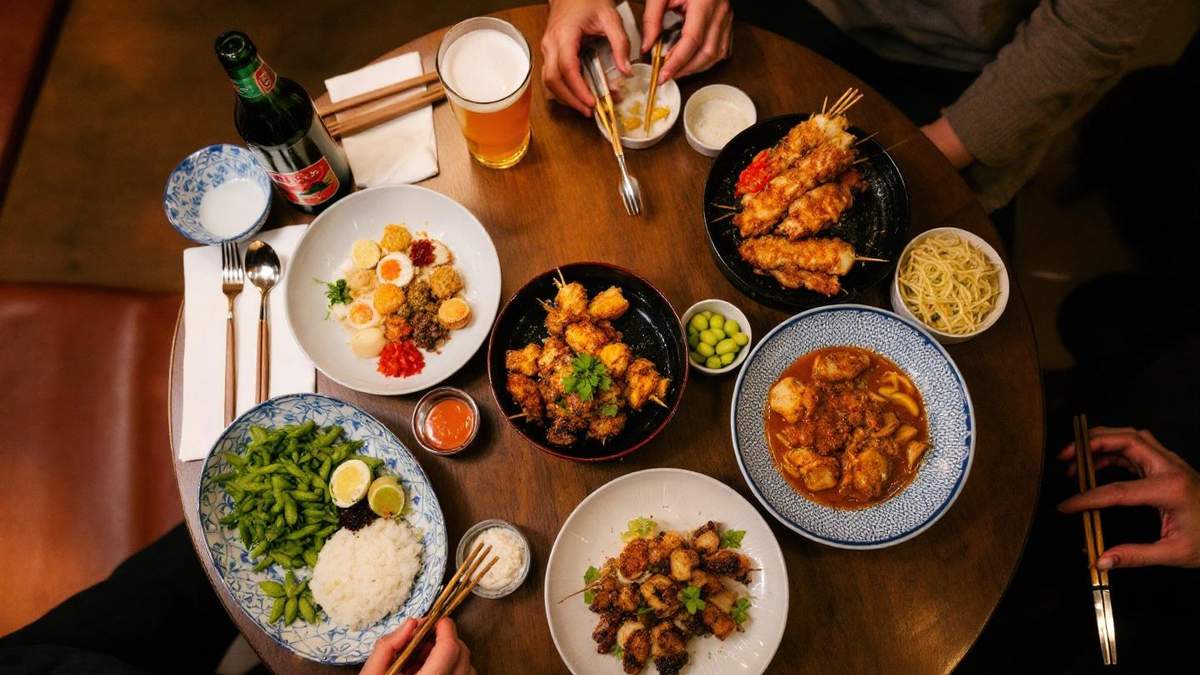
The most popular category of cooking class in Kyoto is obanzai — the Kyoto style of everyday home cooking. Obanzai literally means “ordinary side dishes,” but the phrase understates what it describes. Kyoto obanzai is a tradition of preparing multiple small dishes from seasonal vegetables, tofu, fish, and pickles, seasoned with precision and served in small lacquered bowls. It is the food eaten daily in Kyoto households for centuries, shaped by the same Buddhist and aristocratic influences that shaped the city’s temple gardens and textile arts.
A typical obanzai class teaches three to five dishes in a two to three hour session. The dishes vary by instructor and season, but a representative session might include: dashi from scratch using kombu (dried kelp) and katsuobushi (bonito flakes); miso soup built on that dashi with tofu and seasonal vegetables; a simmered dish such as nimono — root vegetables braised in seasoned dashi until they absorb the broth; and a simple sunomono (vinegared salad) or ohitashi (blanched greens with sesame and soy).
Tofu. Kyoto produces some of Japan’s finest tofu, and many obanzai classes devote time to it specifically. Kyo-dofu (Kyoto-style tofu) is softer and more delicate than standard tofu, made with high-quality soy and Kyoto’s exceptionally soft water. Learning to handle, season, and cook it correctly — without breaking it, without overcooking it, without overwhelming its flavor — is a genuine skill that transfers directly to home cooking.
Tempura. Some obanzai classes include a tempura component. Kyoto tempura uses a lighter batter than Tokyo-style and is fried at slightly lower temperatures to produce a result that is more delicate and less oily. The key techniques — batter temperature, oil temperature, not overmixing — are covered in class and are immediately applicable.
Dashi. The single most valuable thing you can learn in a Japanese cooking class is how to make proper dashi. It is the base of miso soup, simmered dishes, noodle broths, sauces, and much of what tastes distinctly Japanese in a Japanese meal. Making it from scratch takes under fifteen minutes. Classes that teach this technique specifically are worth prioritizing over those that use instant dashi powder.
Prices. Traditional home cooking classes in Kyoto generally run 6,000 to 12,000 yen per person for group sessions. Private sessions range from 15,000 to 25,000 yen for two people. Sessions that include a market tour add 1,000 to 2,000 yen to the base price and additional time.
Sushi and Washoku Classes
Sushi classes are the most commonly requested format by international visitors, and Kyoto delivers a version that differs noticeably from what Tokyo-based classes teach. The concept of ichiju sansai — one soup and three sides, the structural foundation of a traditional Japanese meal — is taught more explicitly in Kyoto classes than almost anywhere else. Understanding this structure transforms how you approach assembling a Japanese meal at home.
Nigiri sushi. Making nigiri by hand is harder than it looks. The correct ratio of rice to fish, the pressure and motion required to shape the rice without compressing it too tightly, and the technique for laying fish cleanly across the rice all require instruction. Most classes spend 30 to 45 minutes on nigiri alone, working through several types of fish. Students typically make eight to twelve pieces per person and eat them at the end of class.
Maki sushi. Rolling maki with a bamboo mat is a more accessible technique and one that students generally master within the class session. Classes typically cover both hosomaki (thin rolls with a single filling) and futomaki (thick rolls with multiple fillings). The critical skill here is even rice distribution and the rolling motion that produces a tight cylinder.
Seasonal fish. Kyoto is inland, which historically made fresh seafood expensive and rare. This gave rise to preserved fish preparations — salted mackerel, vinegared fish, pickled roe — that remain distinct features of Kyoto food culture. Some sushi classes reflect this by including a pressed sushi (oshizushi) component, where fish is layered with rice in a wooden mold and pressed into a neat block before slicing. This style is more Kyoto than the hand-rolled forms most visitors expect, and learning it gives you something genuinely unusual to bring home.
Ichiju sansai in practice. Classes that frame sushi within the ichiju sansai structure typically teach a miso soup, a small salad or pickled vegetable dish, and a simmered component alongside the sushi itself. This gives you a complete meal template rather than a single technique.
Prices. Sushi-focused classes run 8,000 to 14,000 yen per person for group sessions. The higher end of that range typically includes more premium fish and a longer session with more refined instruction.
Wagashi (Japanese Sweets) Workshops
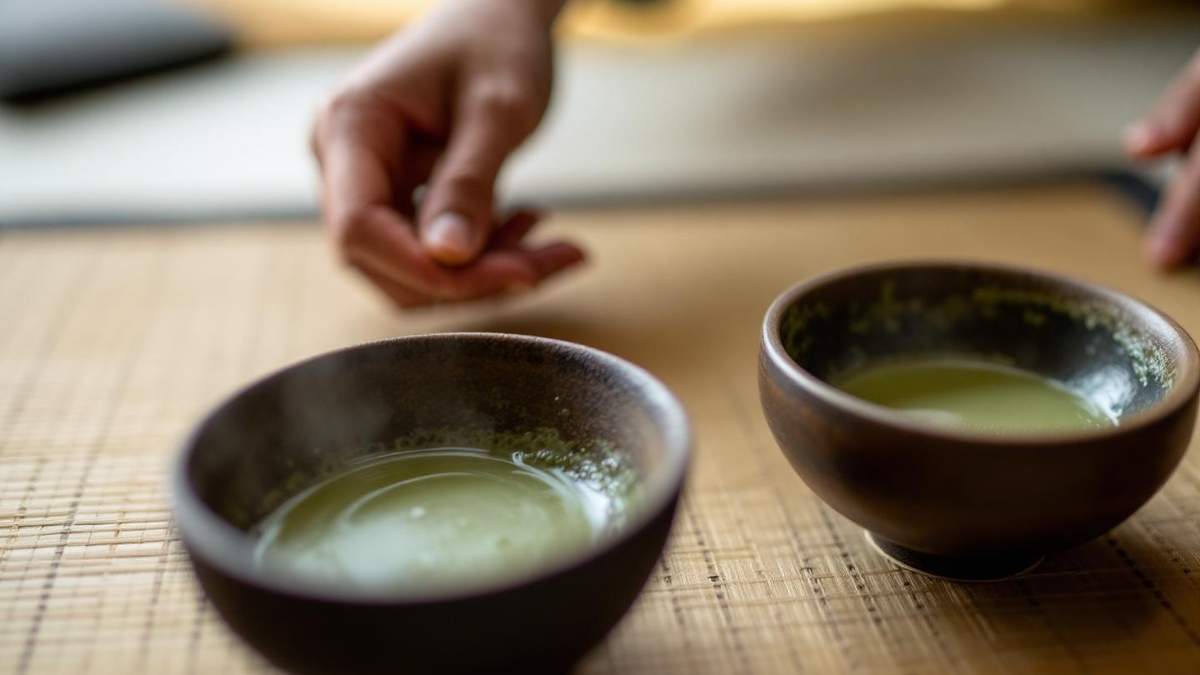
Wagashi is arguably Kyoto’s most distinctive food contribution to Japanese culture. The city is home to hundreds of wagashi confectioners, several of which have operated continuously for more than three centuries. The craft is tied directly to the tea ceremony tradition — wagashi sweets are designed specifically to be eaten before a bowl of matcha, their sweetness calibrated to enhance the tea’s slight bitterness. The shapes and colors of wagashi change every month, sometimes every two weeks, to reflect seasonal flowers, phenomena, and poetic themes.
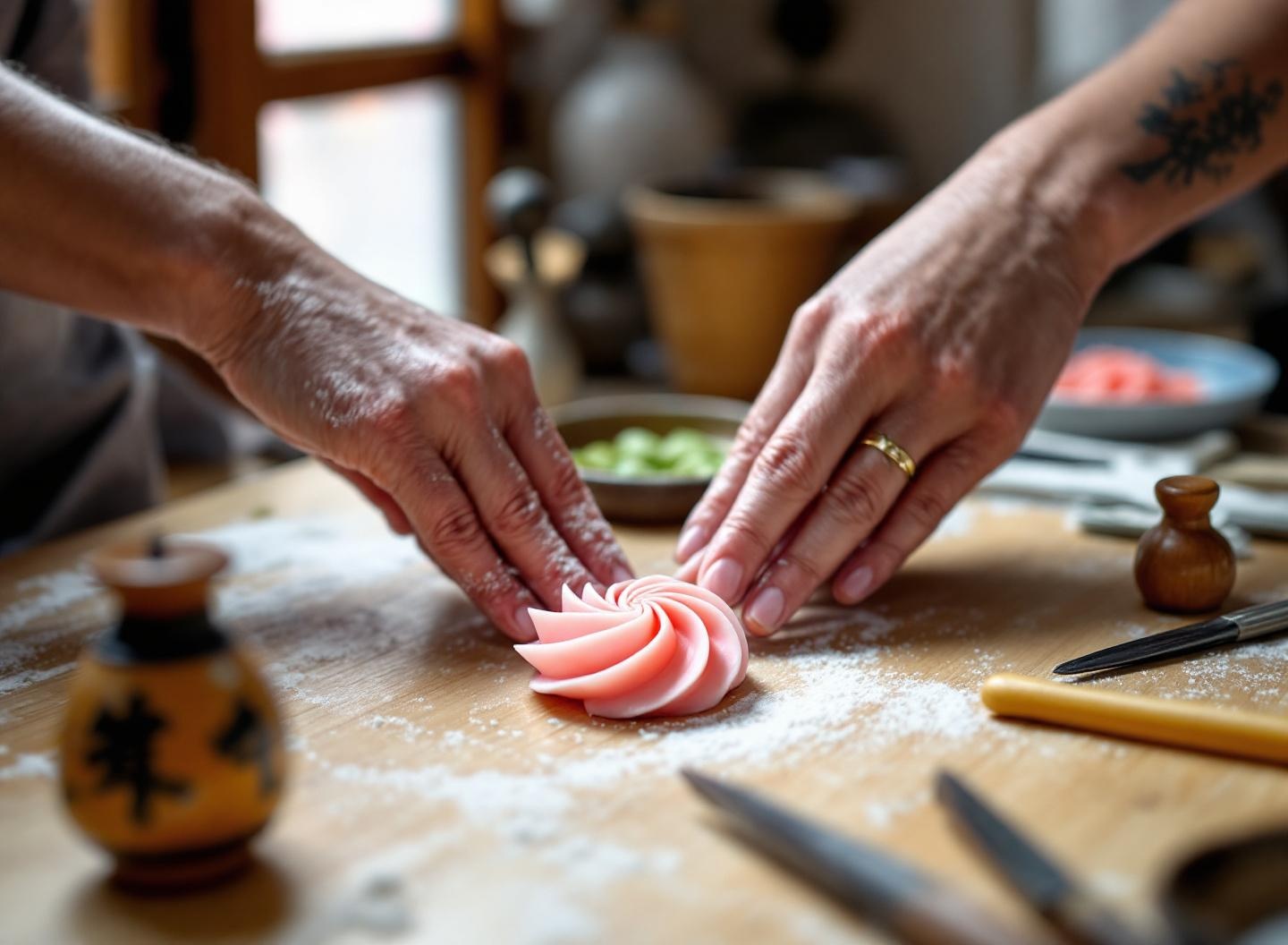
Learning to make wagashi is a fundamentally different experience from any other cooking class. It is closer to sculpting than to cooking. The main ingredients — nerikiri (sweetened white bean paste), mochi (pounded rice), and kanten (agar jelly) — are mixed and colored in advance by the instructor, and your task is to shape, mold, and texture them into specific seasonal forms using wooden tools, fine-mesh strainers, and your hands.
Nerikiri. The flagship wagashi of Kyoto. Nerikiri is made from gyuhi (a soft mochi-based dough) and shiro-an (smooth white bean paste). It is dyed in pale, natural colors and shaped into forms representing the current season — a camellia in January, a cherry blossom in March, a chrysanthemum in November. The surface texture is achieved using small wooden paddles, a bamboo skewer, and the soft side of your palm. Classes teach two to four designs per session and you eat your finished pieces with matcha at the end.
Mochi. Mochi workshops are available separately from the full wagashi curriculum and focus specifically on hand-pounding and shaping rice-flour dough. These classes are more physical and more accessible to beginners — the shaping is less precise than nerikiri work — and the results include daifuku mochi (mochi filled with sweet red bean paste), hanami dango (skewered mochi balls), and seasonal variations.
Kanten sweets. Some classes include yokan (firm agar-based sweets made from bean paste) or summer jellies using kanten. These are simpler techniques and typically included as an additional element in longer wagashi workshops rather than as standalone classes.
Unique to Kyoto. Wagashi workshops outside of Kyoto exist, but the density and quality of instruction available in Kyoto is significantly higher. Several of the city’s established confectionery schools open workshops specifically to tourists, using the same recipes and tools as professional apprentices. Taking a wagashi class in Kyoto is not a tourist simulation — it is entry into an active craft tradition.
Prices. Wagashi workshops run 5,000 to 10,000 yen per person for group sessions of 90 minutes to 2 hours. Private sessions run 12,000 to 20,000 yen for two people.
Ramen and Noodle Making
Noodle-making classes are a smaller category in Kyoto than in Osaka or Tokyo, but the options available are high quality and cover techniques that are genuinely difficult to learn from a book.
Udon. Udon workshops teach the full process: mixing the dough, kneading it (traditionally with your feet, wrapped in a plastic bag), resting it, rolling it to uniform thickness, and cutting it into flat noodles. Kyoto-style udon tends toward lighter broth than the richer broths of Osaka or Kagawa, and the class will typically include making the dashi broth from scratch. The kneading process is physical and takes about 20 minutes; instructors guide the correct motion and pressure. Sessions run 2 to 3 hours and cost 6,000 to 10,000 yen per person.
Soba. Soba workshops are rarer than udon workshops in Kyoto but available, particularly in the northern parts of the city and in Arashiyama. Buckwheat dough is more fragile than udon dough and requires a lighter touch; cutting soba evenly to 2mm width is considered a years-long skill in professional kitchens. Class soba will not reach the quality of a master’s cut, but the process is deeply engaging and the result tastes significantly better than any packaged soba. Sessions run 2 to 3 hours and cost 8,000 to 12,000 yen per person.
Ramen. Full ramen classes — where you make the broth, the tare (concentrated seasoning), the noodles, and the toppings — are the longest cooking experiences available in Kyoto, often running 4 to 5 hours. Kyoto is not historically a ramen city the way Sapporo or Hakata are, but several excellent ramen-focused cooking experiences have opened in recent years, typically teaching the tori paitan (rich chicken) or shio (salt-based clear) styles associated with Kyoto’s own ramen tradition.
Market-to-Table Experiences
The best version of a Kyoto cooking class begins before the kitchen. Market-tour-plus-cooking sessions are a distinct format that combines guided shopping at Nishiki Market or a local supermarket with a subsequent cooking session, using what you bought.
Nishiki Market. Known locally as “Kyoto’s kitchen,” Nishiki Market is a 400-meter-long covered market running parallel to Shijo Street in central Kyoto. Its 130-odd vendors sell Kyoto pickles (tsukemono), fresh tofu, yuba (tofu skin), dried fish, specialty dashi ingredients, seasonal vegetables, and dozens of prepared foods. A guided tour of Nishiki with a cooking instructor is one of the best ways to understand the ingredients before you use them. The instructor will point out specific vendors, explain which grade of kombu to buy for different uses, and demonstrate how to identify freshness in tofu and seasonal produce.
Sessions that include Nishiki Market tours typically meet at the market entrance at 9:00 or 10:00 AM, spend 60 to 90 minutes shopping, then walk or take a short taxi ride to the cooking studio. The market is at its best before noon; afternoon visits see heavier tourist crowds and reduced freshness at several produce vendors.
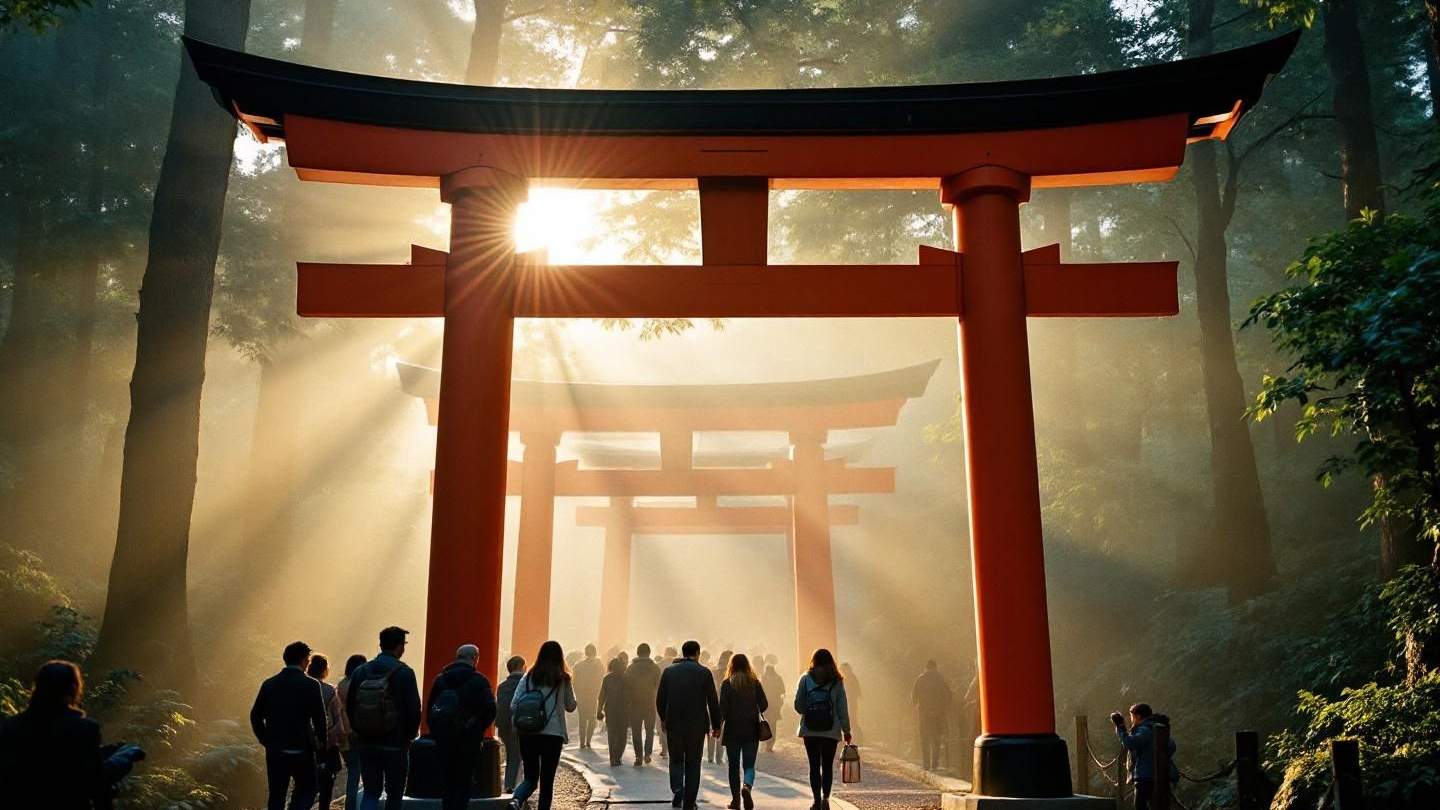
Fushimi area classes. The Fushimi district in southern Kyoto — best known internationally for Fushimi Inari Shrine — has a cluster of cooking instructors who run home-style sessions in residential kitchens. These feel significantly more like cooking with a local family than a structured class, and the prices are slightly lower than central Kyoto options. Sessions often include a short neighborhood walk before cooking, passing local shops and pointing out the everyday Kyoto street food culture that does not make it into tourist guides.
Supermarket tours. A small number of instructors offer supermarket tours as the opening of their cooking sessions. A Japanese supermarket — particularly the basement food hall of a department store or the fish and tofu section of a neighborhood supermarket — is genuinely revelatory for a first-time visitor. Understanding what products are available, how to read basic labels, and how to select miso by type (shiro/white, aka/red, awase/mixed) is practical knowledge you will use immediately.
Book a Cooking Class
These are the top-rated cooking class and food experience bookings in Kyoto, with instant confirmation and free cancellation in most cases.
Home Cooking Class near Fushimi Inari
Learn to cook miso soup, tempura, sushi, and more in a local kitchen. Includes a supermarket tour.
Gion and Pontocho Food Tour
Walk through Gion and Pontocho tasting 13 dishes with a knowledgeable local guide.
Tips for Choosing a Class
Book early. Kyoto’s best cooking classes operate small groups and fill quickly. Booking two to four weeks in advance is standard; during cherry blossom season (late March to early April), Golden Week (late April to early May), and autumn peak foliage (mid-November), book four to six weeks in advance if possible. Same-day availability exists but is not reliable for the most popular instructors.
Dietary restrictions. Most instructors in Kyoto can accommodate vegetarian and pescatarian diets with advance notice. Vegan requests are manageable with a substitution for the bonito flake dashi component — a kombu-only dashi is a legitimate and traditional alternative. Gluten-free accommodation is more difficult because soy sauce is a core ingredient in most Kyoto recipes; discuss this directly with the instructor before booking. Nut allergies are rarely an issue in Kyoto cooking.
Group versus private. Group classes (four to eight people) are social, cost-effective, and give you the experience of cooking alongside other travelers, which is often enjoyable. Private classes cost more — typically 1.5 to 2.5 times the group per-person price for two people — but provide individual attention that meaningfully improves what you learn. If you have a specific skill you want to improve or a particular cuisine focus, private is worth the premium.
Instructor background. The best Kyoto cooking instructors are home cooks who have cooked this food their entire lives, not culinary school graduates who designed a tourist product. Look for instructors who describe their background in terms of family recipes, regional tradition, or decades of daily cooking rather than professional credentials. User reviews that mention specific details about what the instructor taught are more reliable than generic positive feedback.
What to wear. Aprons are always provided. Wear comfortable, close-toed shoes — kitchen floors can be slippery. Avoid loose sleeves that drag over burners. Long hair should be tied back. Remove rings and bracelets before working with dough.
Arrive on time. Cooking classes have fixed preparation schedules. Arriving late affects the whole group’s timing, and instructors will typically start without you if you are more than ten minutes late. Budget extra travel time if you are coming from a distant part of the city.
Take notes. Recipe cards are provided, but the most valuable information in a cooking class — the explanation of why you do something a specific way, the sensory cue for knowing when oil is at the right temperature, the instructor’s comment about how their grandmother adjusted a recipe — is not on the card. A few notes in your phone during the class capture what you will otherwise forget within a week.
Best Areas for Cooking Classes
Fushimi. The area surrounding Fushimi Inari Shrine in southern Kyoto has the highest concentration of home-cook-style cooking classes in the city. The residential character of the neighborhood suits this format well — classes here are genuinely conducted in private homes and family kitchens, and the supermarket tour component has real local-life authenticity rather than the curated feel of a Nishiki Market session. Access is easy via the Kintetsu or JR Nara lines from central Kyoto; 15 to 20 minutes from Kyoto Station.
Gion. Classes in the Gion district tend to occupy restored machiya townhouses and carry a higher aesthetic ambiance. The setting suits wagashi workshops and sushi classes particularly well. Prices are slightly higher than other areas, and the cooking studio format is more common than the home-kitchen format. Gion is also the best base for combining a cooking class with an evening food tour of the Pontocho and Hanamikoji dining areas.
Nishiki Market area. The cluster of cooking studios within walking distance of Nishiki Market is the most convenient option for travelers staying in central Kyoto. Market-to-table sessions that start at Nishiki and move to a nearby studio are the signature format here. This area is best suited for first-time visitors who want to combine a food shopping experience with a cooking class in a single outing.
Arashiyama. Cooking classes in the Arashiyama district are fewer but distinctive in setting. Several instructors run sessions in traditional houses near the bamboo grove or along the Oi River, combining the cooking class with the area’s exceptional natural environment. Classes here are almost exclusively small or private and tend to be more expensive. Best suited for travelers who have already covered central Kyoto and want a more immersive experience outside the city’s tourist core.
Beyond the Kitchen
A cooking class is the most direct way to engage with Kyoto’s food culture, but it opens onto a much wider landscape. The Kyoto food guide covers the full range of what to eat in the city — from kaiseki restaurants to market street food to tofu specialty shops. The best things to do in Kyoto places the food experience within the full context of what the city offers. And the tea ceremony guide addresses the wagashi and matcha culture that connects directly to what many cooking classes teach — the two experiences, taken together, give you a coherent picture of Kyoto’s aesthetic approach to eating and hospitality.
How Kyoto Classes Compare to Tokyo and Osaka
If you are splitting a Japan trip across multiple cities, it is worth deciding where to spend your one or two cooking-class slots. The Tokyo cooking classes guide leans toward efficient, sushi- and ramen-focused sessions built for travelers with a tight schedule, while the Osaka cooking classes guide covers the bolder, street-food end of the spectrum — takoyaki, okonomiyaki, and kushikatsu.
Kyoto is the right choice if you want technique and philosophy over speed, or if wagashi and obanzai interest you specifically; if your priority is simply learning to make great sushi in the shortest possible session, Tokyo classes are generally more streamlined. Travelers pairing a class with a kimono day out often combine it with the Kyoto kimono experience, and if lodging is still undecided, the where to stay in Kyoto guide breaks down which neighborhoods put you closest to Fushimi, Gion, and Nishiki class venues.
For a broader sense of what else to eat and where, see the Japanese food guide, and if you are still finalizing your Kyoto days, the Kyoto in 3 days itinerary shows where a half-day cooking class fits naturally around temple visits.
Frequently asked questions about Best Cooking Classes in Kyoto
Do I need cooking experience to take a class in Kyoto? No. Kyoto’s cooking classes are designed for complete beginners, and most instructors expect that the majority of their students have never cooked Japanese food before. Ingredients are prepped in advance and instructors guide each step closely, particularly in obanzai and sushi classes.
Can children join a Kyoto cooking class? Many obanzai and mochi-making classes welcome children, especially the more hands-on, physical formats like mochi pounding. Nigiri sushi and wagashi classes that require finer motor control are better suited to older children and teens. Always confirm the minimum age directly with the instructor, since policies vary by studio.
More tours on Viator
Top-rated experiences with verified reviews, bookable on Viator (a Tripadvisor company).
 Viator
Private Tea Ceremony and Sake Tasting in Kyoto Samurai House
FromUSD 102Check availability → Viator
Kyoto: Zen Garden, Zen Mind (Private)
FromUSD 380Check availability → Viator
Private car tour in Kyoto (up to 4)
FromUSD 287Check availability → Viator
Become a Samurai Movie Star in Kyoto by Filming with a Real Actor
FromUSD 126Check availability → Viator
Near Fushimiinari: Kyoto Home Cooking Class & Supermarket tour
FromUSD 121Check availability → Viator