Best Things to Do in Okinawa
Last updated: August 2026
What Makes Okinawa Different from the Rest of Japan
Okinawa is subtropical Japan — a chain of over 160 islands stretching south toward Taiwan, with a culture, cuisine, and history distinct from the mainland. The Ryukyu Kingdom ruled here independently for centuries before annexation in 1879, and that heritage shows in the architecture, language, music, and food. Add to that the legacy of World War II, a significant American military presence, and some of the clearest blue water in East Asia, and you have a destination unlike anywhere else in the country.
| At a glance | |
|---|---|
| Where | Okinawa Honto (main island) plus the Kerama, Miyako, and Yaeyama island groups, roughly 2.5 hours by air south of Tokyo |
| Cost | Around 10,000-25,000 yen round-trip flight from Tokyo; most single attractions run 300-2,200 yen |
| Time needed | 2-3 days for the main island; add 2-4 days to reach the outer islands |
| Getting there | Fly into Naha Airport (OKA) from Tokyo, Osaka, or Fukuoka; inter-island travel by ferry or short domestic flight |
| Best time | April-June or September-October for warm weather without the peak summer crowds and heat; see the Japan in Summer guide for seasonal context |
The main island (Okinawa Honto) holds most of the history, food, and infrastructure. The outer islands — particularly the Kerama group, Miyako, and Ishigaki — are where the most spectacular beaches and diving are found. Most visitors benefit from spending two to three days on the main island before moving out to the archipelago. Families traveling with kids often find the calmer main-island beaches easier than the outer islands; see the Japan with kids guide for broader family-trip planning.
Churaumi Aquarium
The Ocean Expo Park on the northwest coast of Okinawa’s main island contains the Okinawa Churaumi Aquarium, one of the largest and most impressive aquariums in the world. The centerpiece is the Kuroshio Sea tank — one of the world’s largest fish tanks — home to whale sharks and manta rays that glide past a 8.2-meter acrylic viewing panel. Watching a whale shark pass overhead at arm’s length is a genuinely arresting experience.
Admission: 2,180 yen for adults, 1,440 yen for high school students, 710 yen for children. The surrounding Ocean Expo Park is free, with tropical botanical gardens, a traditional Okinawan village, and dolphin shows (separate ticket or included in some packages). Allow 3–4 hours for the full complex. Located near Motobu town, around 90 minutes by bus from Naha.
Shuri Castle
Shuri Castle served as the royal palace of the Ryukyu Kingdom from the 15th to 19th centuries. Its architecture blends Japanese and Chinese influences in a way found nowhere else — the red-lacquered main hall (Seiden) faces a large paved courtyard enclosed by stone walls, with ceremonial gates at each cardinal direction. The castle was largely destroyed during World War II and then underwent a decades-long reconstruction program that was completed in the 1990s.
In October 2019, a catastrophic fire destroyed the main hall and several other structures. Reconstruction is underway as of 2026, with partial areas open to visitors. The outer walls, gates (including the impressive Shureimon gate, used on the 2,000-yen note), and grounds remain accessible. Entry to the reconstruction site area costs 400 yen.
Location: 15 minutes by monorail from Naha Airport to Shuri Station, then a 15-minute walk. Open daily 8 am–7:30 pm (extended hours in summer).
Kokusai Street (Naha)
Kokusai-dori, Naha’s main shopping and dining strip, runs for about 1.6 km through the center of the city and is tourist-facing almost entirely — but in a way that still reflects genuine Okinawan culture. The street is lined with souvenir shops selling bingata textiles, ryukyu glass, shisa lion-dog figures, awamori liquor, and Okinawan snacks. Side streets lead into the Makishi Public Market, a covered market where the upper floor restaurants will cook whatever you buy on the ground floor — a good way to try fresh seafood at reasonable prices. Market entry is free; cooking service fees vary by restaurant.
Kokusai-dori is walkable from Kencho-mae or Makishi monorail stations.
Best Beaches on the Main Island
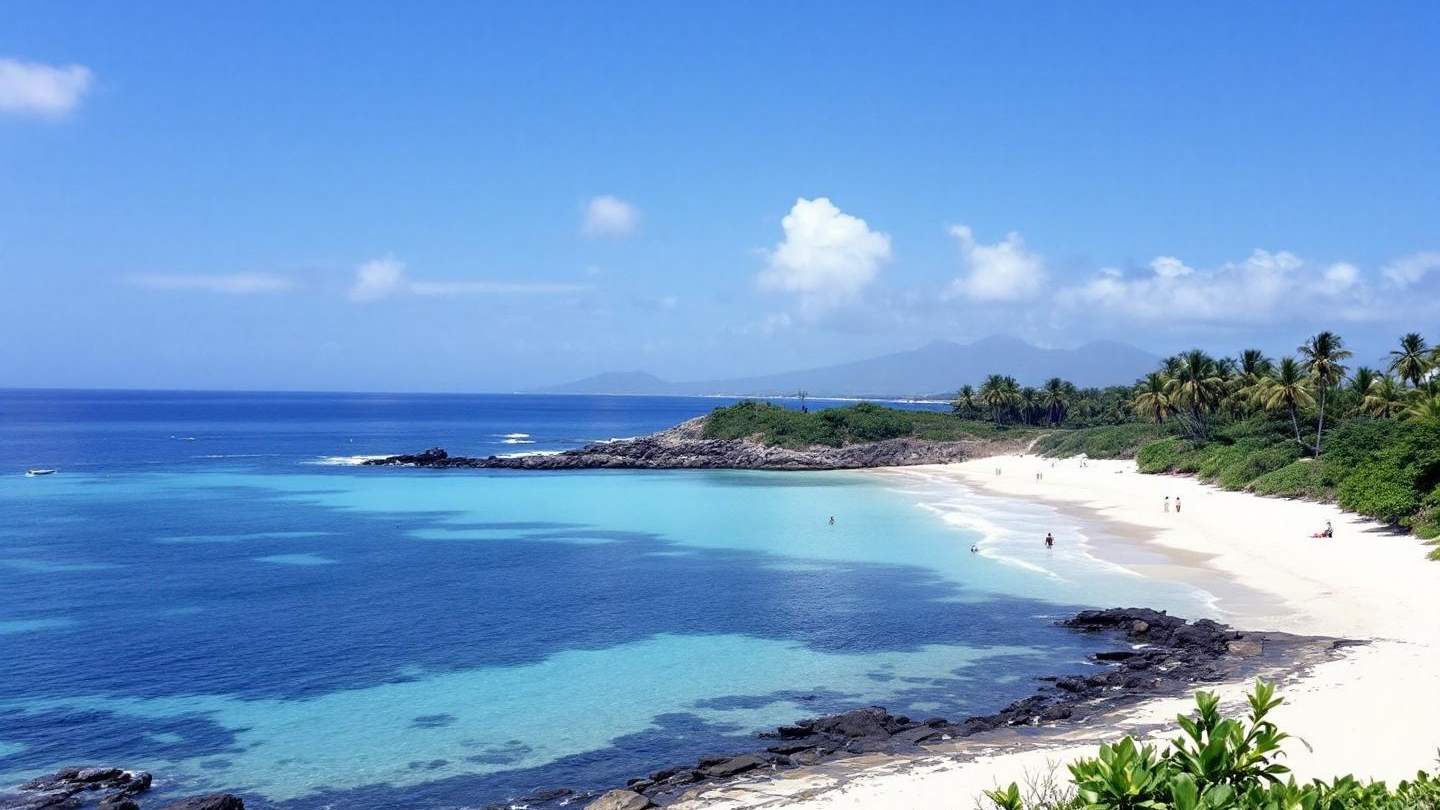
Okinawa’s main island has accessible beaches within reach of Naha, though the most spectacular water is found on the outer islands.
Emerald Beach, inside Ocean Expo Park near Churaumi Aquarium, is a managed, clean beach with good facilities, calm water, and striking clarity. Parking available; the beach itself is free with park access.
Manza Beach, near the Manza Beach Resort on the northwest coast, offers good snorkeling directly off the beach. A large brain coral colony is reachable within 100 meters of the shoreline. Hotels in the area offer gear rental (around 1,500 yen per set).
Naminoue Beach is the most accessible from Naha (15 minutes by bus) — it sits underneath a highway overpass, which sounds grim but the water is clear and the setting somehow works for a quick beach afternoon when you don’t want to travel far.
For the best beaches on the main island, head to the Onna Village area on the west coast, which concentrates several resort beaches between Manza and Moon Beach. Facilities are good throughout this stretch.
Kerama Islands — Best Snorkeling and Diving
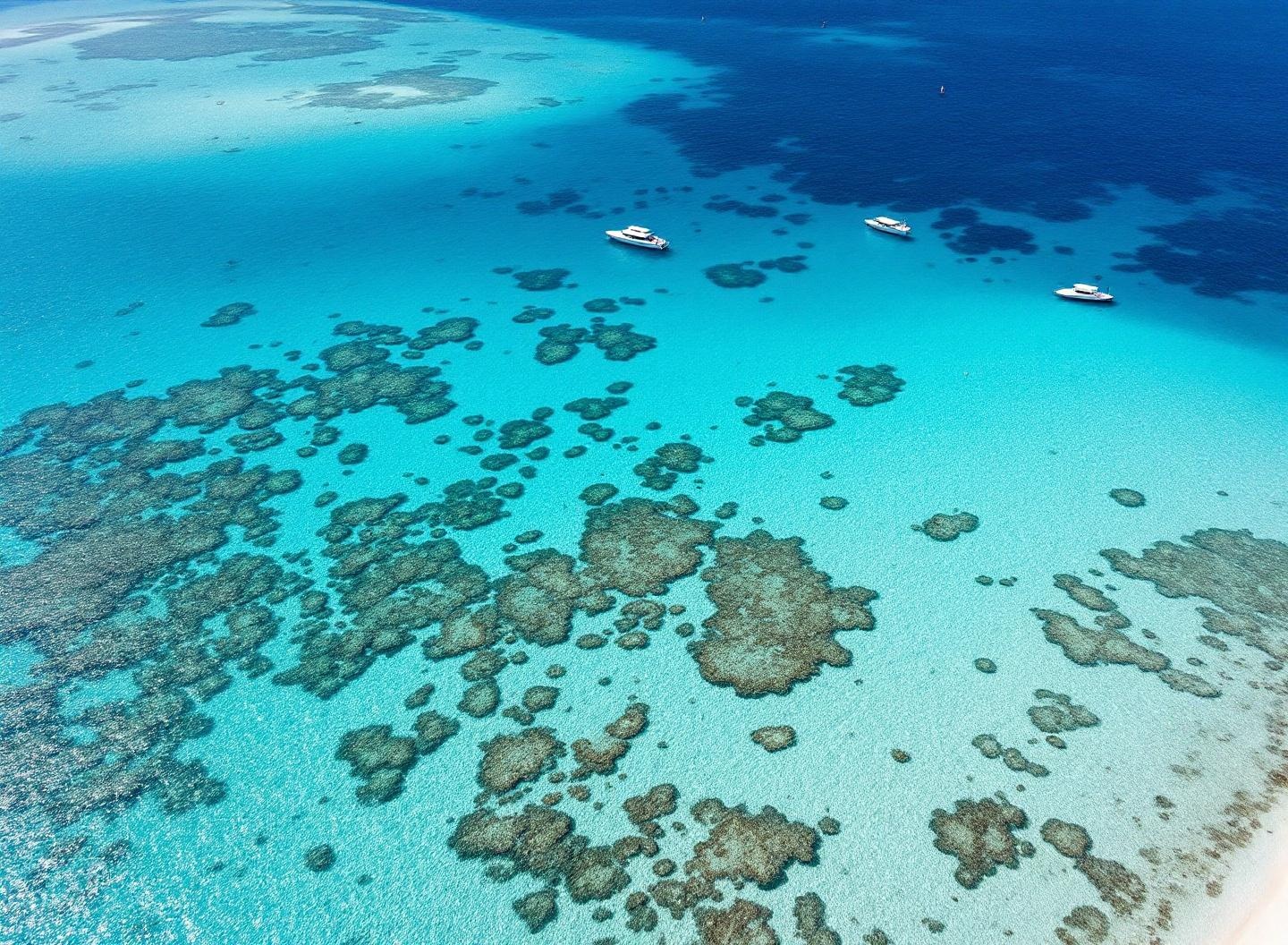
The Kerama Islands, 30–40 minutes by high-speed ferry from Naha’s Tomari Port, have water clarity that dive operators call “Kerama Blue” — a genuinely distinctive turquoise color that results from the combination of shallow sand beds and deep-water currents. Visibility regularly exceeds 30 meters.
Zamami Island and Tokashiki Island are the two most visited in the group. Both have white sand beaches (Furuzamami Beach on Zamami, Tokashiku Beach on Tokashiki) that rank consistently in Japan’s top beach lists. Snorkeling gear rental is available on both islands (around 1,000–1,500 yen per set). Diving day trips with equipment run 15,000–22,000 yen through local operators.
Ferry from Naha (Tomari Port): high-speed ferry to Zamami takes 50 minutes (3,140 yen), to Tokashiki takes 35 minutes (2,530 yen) via high-speed. Slower car ferries also run. Accommodation on both islands ranges from minshuku guesthouses (7,000–12,000 yen per night) to small resorts.
Whale watching is possible in the waters around the Keramas from January through March, when humpback whales migrate through the area. Day tours run 5,000–7,000 yen from Zamami.
Outer Island Hopping: Miyako, Ishigaki, and Iriomote
Miyako Island
Miyako is home to beaches considered by many to be Japan’s finest — particularly Yonaha Maehama, a 7-km stretch of white sand on the southwest coast with shallow, brilliant-blue water. Miyakojima is small enough to explore by rental car in a day or two. Flights from Naha take 45 minutes (around 8,000–15,000 yen one-way on budget airlines). Car rental runs 5,000–8,000 yen per day. The island is relatively flat, and cycling is a reasonable option for shorter distances.
Ishigaki Island
Ishigaki serves as the hub for the Yaeyama island group, which sits closer to Taiwan than to Tokyo. The snorkeling and diving around Kabira Bay — a protected bay where the water is too dangerous for swimming due to currents but stunning for glass-bottom boat tours (1,500–2,000 yen) — draws serious dive tourists. Ishigaki’s Shiraho reef hosts one of the world’s largest blue coral formations. Flight from Naha: 55 minutes (around 8,000–18,000 yen one-way).
Iriomote Island
Iriomote, a short ferry from Ishigaki (35–50 minutes, around 2,000 yen), is 90% jungle and almost entirely undeveloped. The island offers kayaking through mangrove rivers, hiking to the Mariyudo and Kampire waterfalls, and the rare chance to spot the critically endangered Iriomote wildcat. Guided jungle trekking tours run 7,000–12,000 yen per person. Only about 2,400 people live here permanently.
American Village
The American Village (Mihama American Village) in Chatan town, central Okinawa, is an odd and entertaining relic of the American military occupation era that ended officially in 1972 but left a permanent cultural imprint. The complex centers on a Ferris wheel visible from the highway and contains American-themed restaurants, vintage clothing shops, a bowling alley, and a small Ferris wheel-lit esplanade. Sunset from the beach here is genuinely good. It’s neither traditional Japan nor the US — it’s something uniquely Okinawan.
Location: about 20 minutes north of Naha by car or taxi (buses run but are slow). Most shops open until 9–11 pm.
Okinawan Food
Okinawan cuisine is one of Japan’s most distinctive regional traditions, and a full tour of its dishes deserves its own place alongside the mainland options covered in the best food tours in Japan guide. The Ryukyu Kingdom had extensive trade with China, Southeast Asia, and mainland Japan, and the food reflects all of those influences.
Goya champuru is the dish most associated with Okinawa — a bitter melon stir-fry with tofu, pork, and egg. The bitterness of the goya (bitter melon) is the point; Okinawans credit it as part of the reason the island has long led Japan’s longevity statistics. Available at almost every local restaurant for 600–900 yen.
Soki soba is Okinawa’s noodle dish — wheat noodles (despite the name, they contain no buckwheat) in a clear pork and bonito broth, topped with braised pork ribs (soki) and strips of fish cake. It tastes different from ramen and different from mainland soba. A bowl costs 600–900 yen. The best are found at old-school restaurants away from Kokusai-dori, like Hamaya in Naha.
Taco rice — seasoned taco meat over white rice — was invented near the US military bases in Kin town in the 1980s and has become an Okinawan institution. It’s available everywhere on the island for 500–800 yen and is inexplicably satisfying.
Awamori is Okinawa’s indigenous distilled spirit, made from Thai long-grain rice and black koji mold. Aged versions (kuusu) reach 30+ years. Available at restaurants and specialist shops throughout Naha; a glass runs 500–800 yen, while a bottle of basic awamori costs around 1,500 yen.
Ryukyu Glass and Craft Villages
Okinawan ryukyu glass developed after World War II from recycled American military bottles, which is why the traditional colors are emerald green, cobalt blue, and amber. The craft is now a genuine art tradition and one of the island’s best souvenirs. The Ryukyu Glass Village in Itoman city (southern Okinawa) offers glass-blowing experiences (2,500–4,500 yen, must book ahead) and a large retail shop. A handmade glass runs 1,500–4,000 yen.
Peace Memorial Park
Cornerstone of Peace at Mabuni Hill in southern Okinawa marks the site of the final battles of the Battle of Okinawa in 1945. The park contains the Okinawa Prefectural Peace Memorial Museum (admission 300 yen), which documents the war with unflinching detail, including the civilian experience of the 90-day battle that killed roughly one-third of Okinawa’s pre-war population. The outdoor memorial stones list every individual — from all sides — killed in the Okinawa campaign. It is one of the most powerful war memorials in Japan. Location: southern tip of the main island, about 45 minutes by car from Naha.
Practical Tips
For a sense of how flights, car rental, and inter-island ferries add up against a mainland-only trip, see the Japan travel budget guide. Getting there: Naha Airport (OKA) receives direct flights from Tokyo (Haneda/Narita, about 2.5 hours, 10,000–25,000 yen), Osaka, Fukuoka, and other major cities. ANA, JAL, and budget airlines (Peach, Jetstar, Skymark) all serve the route.
Getting around: Yui Rail (the Okinawa monorail) covers central Naha. For everywhere else on the main island, a rental car is strongly recommended. Roads are in good condition, traffic is manageable outside Naha, and most attractions lack practical bus connections. Car rental from Naha Airport runs 4,000–8,000 yen per day.
For how Okinawa’s climate fits into planning a wider trip, see the best time to visit Japan guide. Best season: April–June and September–October offer warm weather, good diving visibility, and crowds below summer peak. July–August is hot, humid, and busy. Typhoon season runs June–October with highest risk in August–September. Water temperatures allow swimming comfortably from April through November.
A Sample 4-Day Okinawa Itinerary
| Day | Focus | Highlights |
|---|---|---|
| Day 1 | Naha and the south | Shuri Castle grounds, Kokusai-dori, Makishi Public Market, Peace Memorial Park |
| Day 2 | Main island north | Churaumi Aquarium, Ocean Expo Park, Emerald Beach or Manza Beach snorkeling |
| Day 3 | Kerama Islands | Ferry to Zamami or Tokashiki, Furuzamami or Tokashiku Beach, snorkeling |
| Day 4 | American Village and departure | Sunset at American Village, ryukyu glass shopping, flight home or onward to Ishigaki |
This pacing keeps travel time manageable — the Kerama day trip is the only leg requiring an early ferry, and everything else is reachable from a Naha base. Travelers with more time should extend to Miyako or Ishigaki rather than compress the outer islands into a single day; the flight and ferry connections make rushed island-hopping frustrating.
Okinawa vs Mainland Japan Beaches
| Okinawa | Mainland Japan (e.g. Shonan, Shirahama) | |
|---|---|---|
| Water clarity | Exceptional, especially the Keramas and Yaeyama islands | Generally good but rarely tropical-clear |
| Swimming season | April-November | Roughly July-August only |
| Coral and marine life | Extensive reefs, whale sharks, manta rays at Churaumi | Limited reef; some temperate marine life |
| Travel time from Tokyo | About 2.5 hours by air | 1-3 hours by train or car |
| Crowds | Busy in summer, quieter outer islands year-round | Very crowded on summer weekends |
Okinawa is worth the extra flight time for travelers who want a genuinely subtropical beach experience rather than a mainland seaside day trip. For a broader look at how to fit a beach-focused leg into a wider itinerary, see Japan in Summer.
Frequently Asked Questions
Is Okinawa worth visiting if I only have one week in Japan? It depends on priorities. Okinawa’s culture, food, and beaches are distinct enough to justify 3-4 days even on a first trip, but it comes at the cost of mainland time. Most first-time visitors are better served spending a full week on Tokyo, Kyoto, and Osaka and saving Okinawa for a dedicated trip or a second visit.
Do I need a car in Okinawa? On the main island, yes, for anywhere beyond central Naha — public transport outside the Yui Rail monorail is limited and slow. On the smaller outer islands like Zamami or Miyako, a rental car, scooter, or bicycle covers the island comfortably given the shorter distances.
More tours on Viator
Top-rated experiences with verified reviews, bookable on Viator (a Tripadvisor company).
 Viator
Peaceful Hiroshima & Miyajima UNESCO 1 Day Bus Tour
FromUSD 124Check availability → Viator
World Heritage Shirakawa-go and Experience Tours from Kanazawa
FromUSD 118Check availability → Viator
World Heritage Kyoto & Nara Uji Authentic Matcha Experience
FromUSD 124Check availability → Viator
Nara Half Day Trip Walking Tour (Private Option Available)
FromUSD 101Check availability → Viator
Hiroshima Peace (Heiwa) Walking Tour at World Heritage Sites
FromUSD 91Check availability → Viator