Best Day Trips in Japan
Last updated: August 2026
Japan’s rail network is so fast and so reliable that the concept of the “day trip” stretches far beyond what most travelers expect. From Tokyo, you can stand at the base of Mount Fuji, eat lunch by a sacred lake, and be back in Shinjuku in time for dinner. From Osaka, Hiroshima — site of the world’s first atomic bomb and now a city rebuilt around the idea of peace — is two hours each way on the Shinkansen. Japan rewards day-trippers in a way that very few countries do.
This guide covers the best day trips from Japan’s three main traveler bases: Tokyo, Kyoto, and Osaka. Each entry includes transport details, timing guidance, and honest advice on whether the destination works best independently or with a guided tour.
| At a Glance | Details |
|---|---|
| Where from | Tokyo, Kyoto, or Osaka — each has its own cluster of day-trip destinations |
| Cost | Around ¥1,500–¥6,500 round-trip depending on transport and passes used |
| Time needed | A full day (8–12 hours door to door) for most; a few work as a half-day |
| Getting there | Shinkansen, JR limited express, or private railway — almost all reachable without a car |
| Best time | Weekday mornings, departing before 9am, to beat the 10am–3pm crowd window |
Day Trips from Tokyo
Tokyo sits at the center of the Kanto region, with the mountains, lakes, and coastline of central Honshu accessible in all directions. The five best day trips range from volcanic highlands to ancient shogunate capitals and Buddhist beach towns.
Mount Fuji and the Fuji Five Lakes
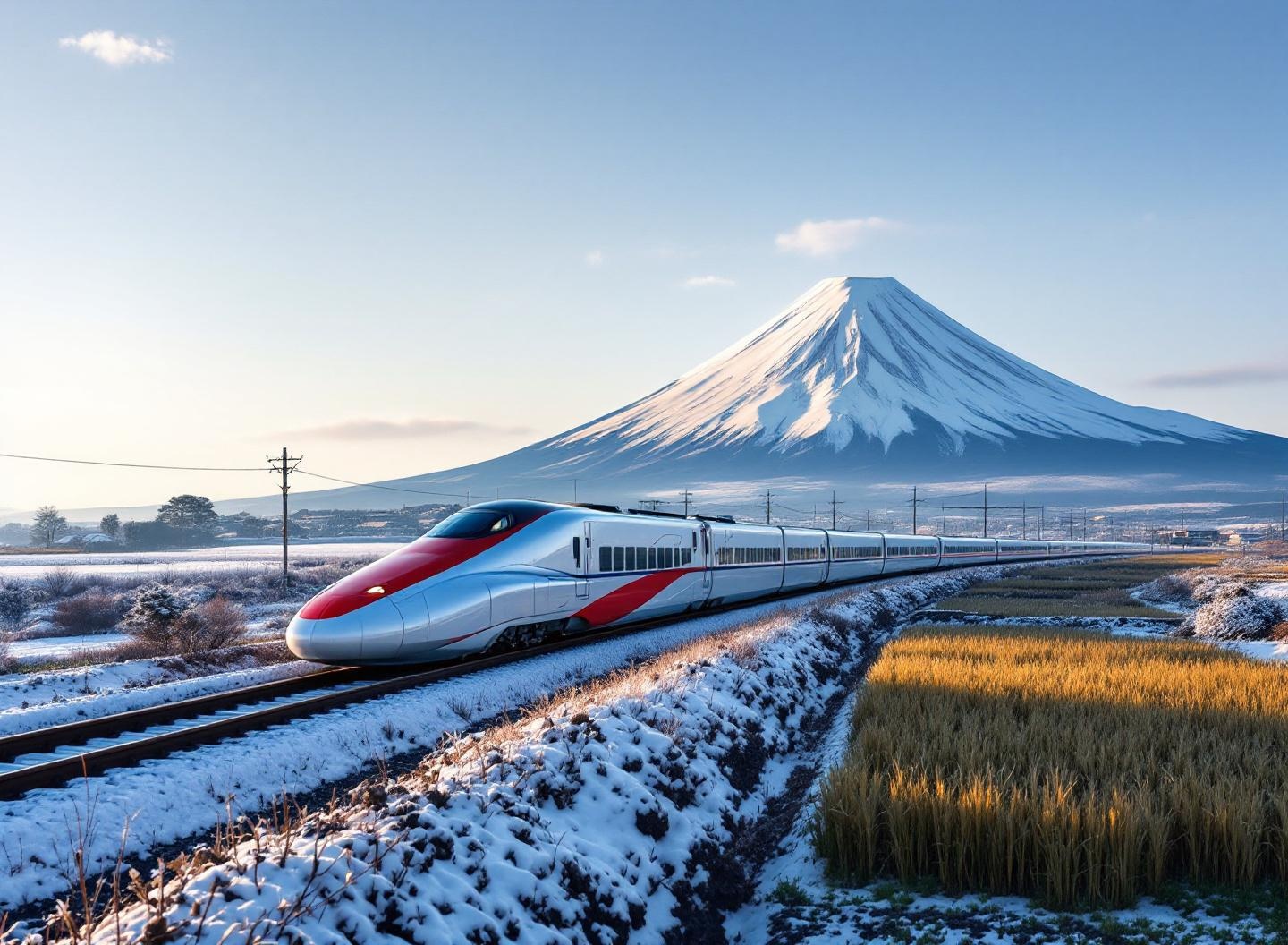
At 3,776 meters, Fuji-san is Japan’s highest peak and one of the most photographed mountains on earth. The standard day-trip destination is the 5th Station on the Fujinomiya or Kawaguchiko trail — the highest point accessible by road, at 2,305 meters — from which, on clear days, you look down over a sea of cloud. The mountain is capped with snow from October through May, and snow is present at the 5th Station from November through April.
The Fuji Five Lakes (Fujigoko) at the mountain’s northern base provide the classic reflection shots: Kawaguchiko is the most visited and accessible, while Motosu-ko, whose image appears on the 1,000-yen note, is quieter and slightly farther west. Oshino Hakkai — eight spring-fed ponds with extraordinary water clarity fed directly by snowmelt from Fuji — is worth 45 minutes.
Transport: Direct Chuo Expressway bus from Shinjuku Bus Terminal to Kawaguchiko Station (around 1 hour 45 minutes, ¥1,800 to ¥2,200 one-way). Alternatively, JR to Otsuki then Fujikyu Railway to Kawaguchiko (2 hours 15 minutes, around ¥2,500). Note that JR Pass does not cover Fujikyu Railway; a separate fare applies.
Timing: Leave Shinjuku by 7:30am to reach the 5th Station before noon crowds. Fuji is clearest in the morning — cloud typically builds from midday. Return buses run until around 7pm.
Mt. Fuji Full-Day Sightseeing Trip
Visit Mt. Fuji 5th Station, Kawaguchi Lake, and Oshino Hakkai from Tokyo.
Mt. Fuji and Hakone with Lake Ashi Cruise
Mt. Fuji, Hakone ropeway, volcanic valley, and scenic Lake Ashi cruise.
Hakone
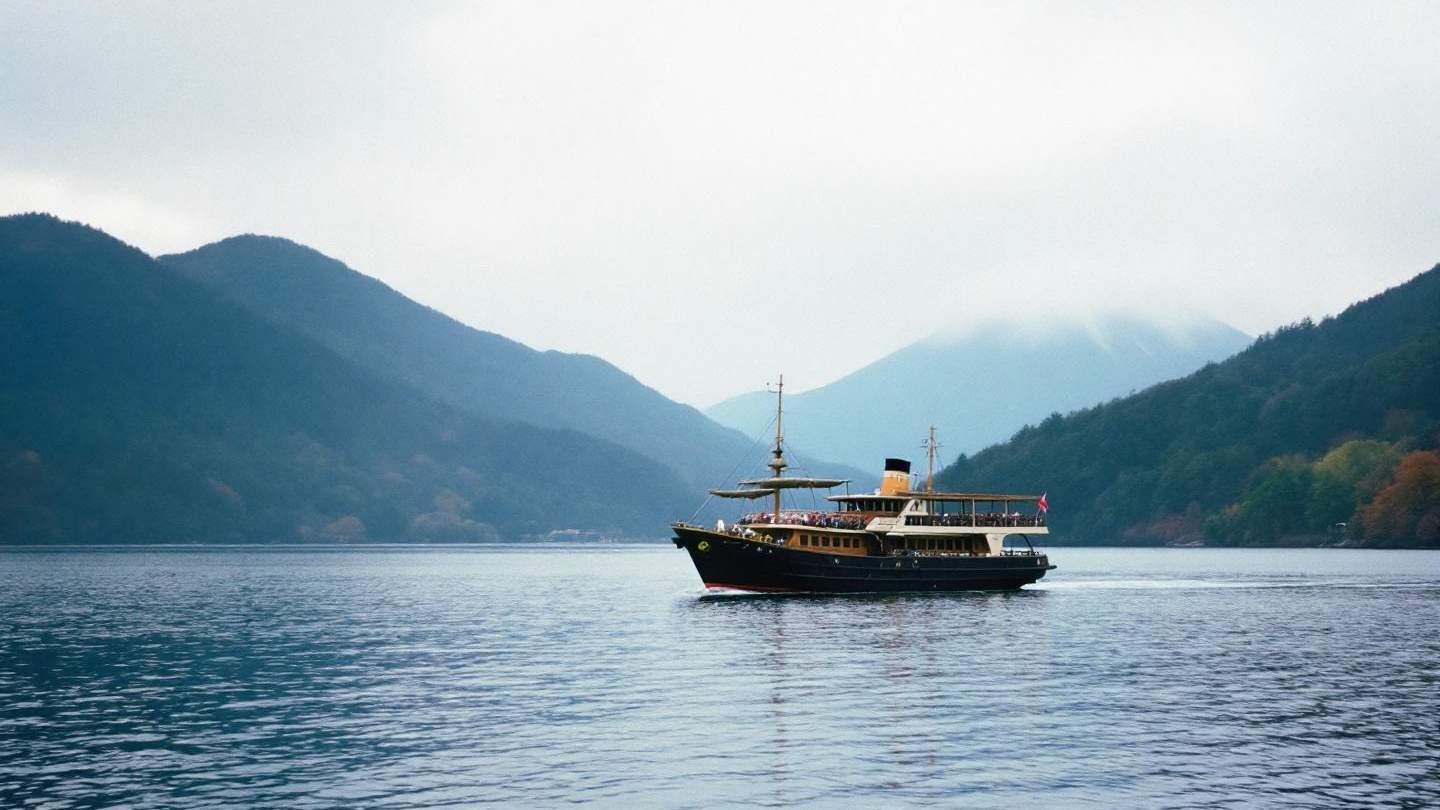
Hakone is Japan’s most accessible onsen resort — two hours from Shinjuku on the Romancecar express train — and one of the country’s most spectacular landscapes. The Hakone Ropeway climbs over Owakudani, the active volcanic valley where sulfur vents still bubble and the boiled eggs (kuro tamago) cooked in the hot springs are said to add seven years to your life. Lake Ashi below, ringed by cedar forest, offers direct views of Fuji on clear days.
The Hakone Free Pass (¥6,500 from Shinjuku) covers the Odakyu Romance Car, Hakone Tozan Railway, ropeway, lake cruise, and bus network within the area — excellent value if you want to explore independently. The Hakone Open-Air Museum (¥1,700 entry) is world-class, with major works by Picasso, Rodin, and Henry Moore set in formal gardens against mountain views.
Transport: Odakyu Romance Car from Shinjuku to Hakone-Yumoto (85 minutes, ¥2,470 with seat reservation). Alternatively, JR to Odawara then Hakone Tozan Railway (30 minutes). For day-trip tours combining Fuji and Hakone, coach departures from Shinjuku are most practical.
Kamakura
The former capital of Japan’s first shogunate, Kamakura retains the largest concentration of medieval Buddhist temples and Zen gardens within day-trip distance of Tokyo. The Great Buddha of Kotoku-in — cast in bronze in 1252, 13.35 meters tall, hollow and climbable for ¥20 — is the defining image. But the town rewards slower exploration: Tsurugaoka Hachimangu shrine at the end of the 1.8-kilometer sakura-lined approach path, the Zen garden at Engaku-ji (founded 1282), and the hiking trails connecting the ridgeline temples above the valley are all worthwhile.
Transport: JR Yokosuka Line from Tokyo Station or JR Shonan-Shinjuku Line from Shinjuku direct to Kamakura Station (55 to 65 minutes, ¥940). JR Pass accepted. The Enoshima-Kamakura Free Pass (¥1,640 from Shinjuku) is useful if combining both destinations.
Nikko
Nikko is the baroque extreme of Japanese temple and shrine architecture — every surface of the Tosho-gu shrine complex is lacquered, gilded, or carved in minute detail. Commissioned in 1636 by the third Tokugawa shogun to enshrine his predecessor Ieyasu, Tosho-gu was built without regard for budget or restraint, and the result is overwhelming. The carved sleeping cat (Nemuri-neko), the famous three wise monkeys, and the 5,173 decorative carvings covering the main gate are all real — but seeing them in person makes the photos inadequate.
Beyond the shrines, Nikko National Park extends into mountain lakes, waterfalls (Kegon Falls drops 97 meters into a volcanic lake), and cedar forests.
Transport: Tobu Nikko Line Express from Asakusa to Nikko Station (1 hour 50 minutes, ¥1,420 or ¥2,720 with express surcharge). JR Shinkansen to Utsunomiya then JR Nikko Line also works if you have a JR Pass (around 2 hours total). The Tobu Nikko Pass (¥4,780 from Asakusa) covers return train and unlimited bus within Nikko.
Enoshima and Kamakura Combined
Enoshima Island, 45 minutes south of Kamakura by Enoden tram, combines a hilltop shrine, sea caves, and sweeping views of Fuji from the beach. In summer it is crowded to the point of frustration; in winter and shoulder seasons it is beautiful. The classic route pairs Kamakura’s temples in the morning with the Enoshima walk in the afternoon. Allow a full day.
Day Trips from Kyoto
Kyoto’s geographical position — roughly central in the Kansai region — makes it the best-located base for day trips. Three destinations stand out.
Nara
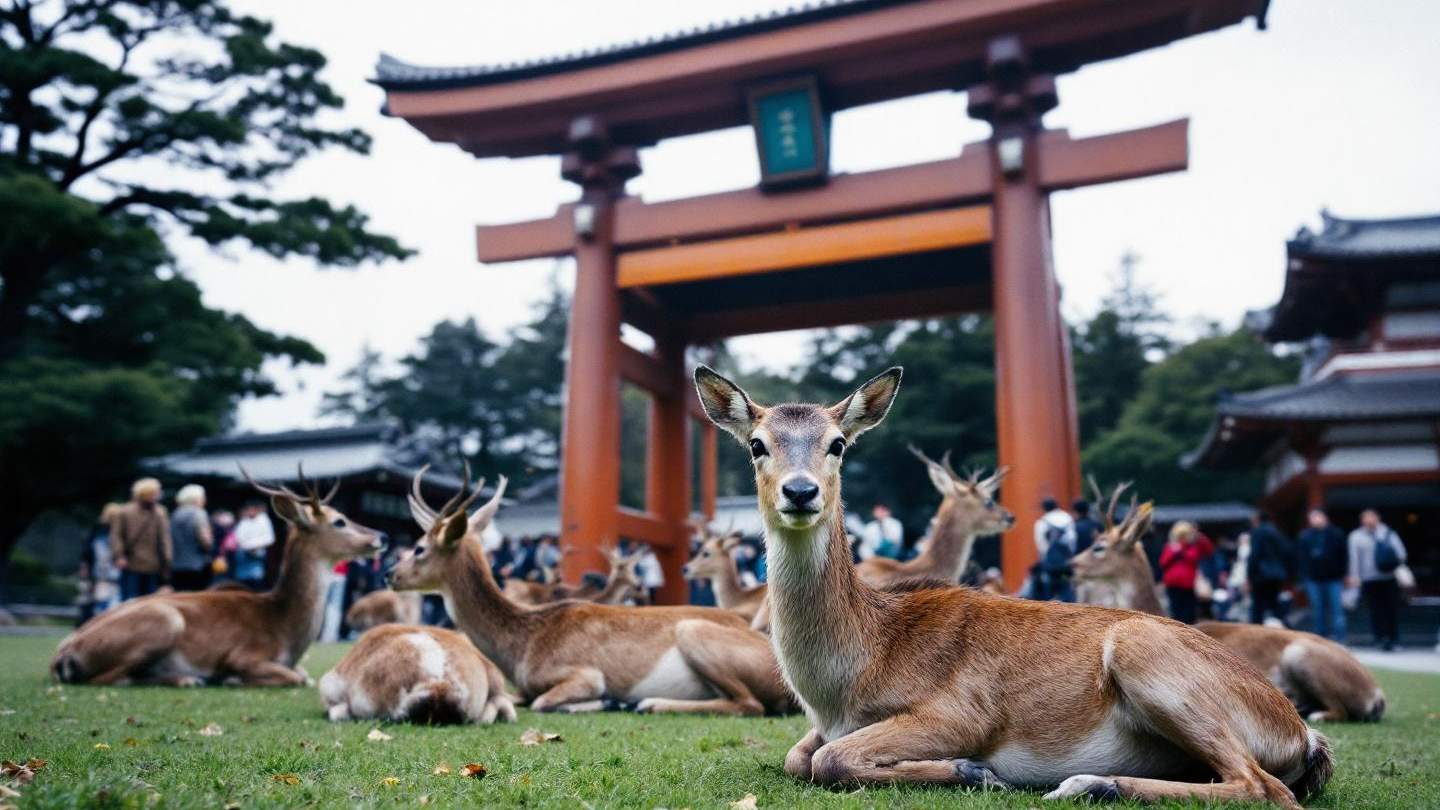
Japan’s first permanent capital (710 to 784 AD) contains the world’s largest wooden building (Todai-ji, housing a 15-meter bronze Buddha cast in 752) and around 1,200 freely roaming sika deer who have inhabited Nara Park for over a thousand years. The deer are domestically tolerant but will not hesitate to headbutt you for shika senbei (deer crackers, ¥200 per bundle). Kasuga Taisha shrine, with its 3,000 bronze and stone lanterns, and the Isui-en garden (¥1,200 entry) are both worth the time.
Transport: JR Nara Line from Kyoto Station to Nara (45 minutes, ¥720). JR Pass accepted. Alternatively, Kintetsu Limited Express from Kintetsu Kyoto Station to Kintetsu Nara Station (35 minutes, ¥1,160) is slightly faster.
Uji
Uji, 17 minutes south of Kyoto by JR, is Japan’s historic center of tea cultivation — most premium matcha in the country is grown here in fields shaded with black cloth to intensify chlorophyll before harvest. The town’s cafes serve matcha in every form (tea, ice cream, parfait, noodles), and the 10th-century Byodo-in temple (¥700 entry, image printed on the 10-yen coin) is among the best-preserved examples of Heian-period architecture anywhere. Good for a half-day combined with Kyoto.
Transport: JR Nara Line from Kyoto Station to Uji (17 minutes, ¥240).
Himeji
The white castle of Himeji — Hakuro-jo, the White Heron Castle — is the most complete and most visually refined of Japan’s original feudal castles. Unlike most Japanese castles (which are postwar concrete reconstructions), Himeji was never destroyed by fire or war, and its six-floor tenshu (keep), completed in 1609, survives intact. The approach through successive defensive gates, each designed to trap and slow attackers, is one of the most theatrical architectural experiences in Japan. Allow two to three hours inside the complex.
Transport: JR Shinkansen from Kyoto to Himeji (30 minutes, ¥3,370, or 50 minutes on the slower JR Special Rapid). JR Pass accepted. Good half-day trip, or combined with Kobe (30 minutes west of Himeji).
Day Trips from Osaka
Osaka’s location at the western end of the Kansai region puts Kyoto, Nara, Kobe, and — via the Shinkansen — Hiroshima all within reach.
Kyoto as a Day Trip from Osaka
Most travelers use Kyoto as a base and visit Osaka as a day trip. Reversing this — basing in Osaka and day-tripping to Kyoto — makes economic sense since Osaka accommodation is generally cheaper, and the 15-minute Shinkansen or 30-minute Hankyu train journey is trivially short. The risk is doing Kyoto justice in a single day, which is difficult if your ambitions include Arashiyama, Fushimi Inari, Kinkaku-ji, and a Gion evening walk. Prioritize two or three areas rather than rushing through ten.
Nara from Osaka
Nara from Osaka is even faster than from Kyoto: Kintetsu Nara Line from Osaka Namba to Kintetsu Nara Station takes 39 minutes (¥680). The city is compact enough to cover the main sites (Todai-ji, Kasuga Taisha, Nara Park) in four to five hours, making it an efficient half-day. The deer remain a highlight regardless of how many times you have read about them.
Kobe
Kobe is 30 minutes from Osaka on the Hankyu Kobe Line (¥330) and offers a distinctly different urban atmosphere — the city’s history as a major international port from 1868 onward left an architectural legacy of European-style merchant houses in the Kitano district that feels unlike anywhere else in Japan. Kobe beef (wagyu from the Tajima strain, available at specialist restaurants for ¥5,000 to ¥20,000 per serving) is the city’s other main draw. The Nada sake brewing district (30 minutes east by local train) can be added for a full day.
Hiroshima and Miyajima
The two-hour Shinkansen journey from Osaka to Hiroshima (¥9,800 on Nozomi, covered by JR Pass on Sakura or Hikari services) leads to one of Japan’s most emotionally significant destinations. The Peace Memorial Park and A-Bomb Dome — the preserved ruins of the Industrial Promotion Hall at the hypocenter of the August 6, 1945 explosion — demand unhurried time. The Peace Memorial Museum (¥200 entry) is one of the most powerful and sobering museum experiences in the world.
From Hiroshima, a 30-minute ferry to Miyajima Island reaches the Itsukushima Shrine, whose iconic torii gate appears to float in the water at high tide. The island’s tame deer (smaller and wilder-spirited than Nara’s) and the summit of Mount Misen (reachable by ropeway at ¥2,000 return) round out a full day.
Kyoto Highlights and Nara Day Trip
Kiyomizu-dera, Fushimi Inari, and Nara deer park in one day from Osaka.
Hiroshima and Miyajima UNESCO Tour
Peace Memorial and Miyajima floating torii gate. Full day with guide and lunch.
The Hiroshima and Miyajima UNESCO Tour is particularly well-suited to a guided format because the Peace Memorial’s historical context — the events of August 6, 1945, the decision-making behind the bombing, and the decades of reconstruction and advocacy — is difficult to absorb from information panels alone. An informed guide makes the experience more than a checklist of sites.
Planning Your Day Trips
Use the JR Pass strategically: The 7-day or 14-day JR Pass covers Shinkansen (on Hikari and Sakura services, not Nozomi), all JR regional trains, and many local lines. If your day trips include Hiroshima, Himeji, Nara (from Kyoto), and Nikko, a JR Pass usually pays for itself. Run the numbers against your specific itinerary before buying.
Start early: Every destination listed here is busiest between 10am and 3pm. Arriving by 9am at Nara, Kamakura, or Nikko means seeing the sites without crowds and in the best morning light. The Shinkansen runs from around 6am; early buses from Tokyo to Fuji depart from 7:30am.
Check weather for mountain destinations: Mount Fuji is not visible in cloud approximately 40 percent of days, including much of the rainy season (mid-June through mid-July) and typhoon season (August through October). If Fuji visibility matters to you, build flexibility into your itinerary. Hakone’s ropeway closes during high winds, which happen regularly.
Combine destinations thoughtfully: Kamakura and Enoshima work together. Nara and Uji work together from Kyoto. Hiroshima and Miyajima are designed to be done together — the ferry between them is part of the experience. Combining Fuji, Hakone, and Kamakura in a single day is possible on a tour but genuinely rushed; if you have time, give each a separate visit.
For focused guidance on Tokyo’s day trip options, the day trips from Tokyo guide covers each destination in greater depth. For the Kansai region, day trips from Osaka covers the western Kansai circuit in detail.
Independent Travel vs. a Guided Day Tour
Most of the destinations above are entirely manageable on your own with an IC card and a train app — Nara, Kamakura, and Uji are all simple, well-signed routes. Where a guided tour earns its price is Mount Fuji (weather-dependent routing and bus logistics that are easy to get wrong on a first attempt), and Hiroshima and Miyajima together (the historical context of the Peace Memorial Park is far richer with a guide than with information panels alone).
If you are confident with Japanese trains and want to move at your own pace, book transport only; if you want the day handled end to end, a small-group tour removes the friction. For a broader first-timer framework, see the Japan itinerary planner and the Japan passes and deals guide before deciding which day trips need a JR Pass.
How Many Day Trips to Plan
Trying to fit more than one full day trip into a 24-hour window is the most common planning mistake. Mount Fuji, Nikko, and Hiroshima each consume the better part of a day once transport is counted, and stacking two of them back to back leaves you exhausted rather than rested for the rest of your trip. A realistic rule of thumb: one day trip per three or four days spent in a base city, so the day trip is a highlight rather than a scramble. If you are building a first Japan trip from scratch, the 7-day itinerary allocates day-trip time sensibly around Tokyo and Kyoto.
Frequently asked questions
Do I need to book day trips in advance? Independent train travel needs no advance booking outside peak Shinkansen reservation windows (cherry blossom, Golden Week, autumn foliage). Guided tours to Mount Fuji and Hiroshima/Miyajima are worth booking 2–3 weeks ahead in those same peak windows, since the best-reviewed small-group departures sell out first.
Which day trip is best for a first visit to Japan? Nara from Kyoto or Osaka is the easiest and most rewarding first day trip — short, simple trains, and the free-roaming deer make it memorable even for travelers new to Japan. Mount Fuji is the best choice if clear-day photography matters more to you than ease of logistics.
More tours on Viator
Top-rated experiences with verified reviews, bookable on Viator (a Tripadvisor company).
 Viator
Peaceful Hiroshima & Miyajima UNESCO 1 Day Bus Tour
FromUSD 124Check availability → Viator
World Heritage Shirakawa-go and Experience Tours from Kanazawa
FromUSD 118Check availability → Viator
World Heritage Kyoto & Nara Uji Authentic Matcha Experience
FromUSD 124Check availability → Viator
Nara Half Day Trip Walking Tour (Private Option Available)
FromUSD 101Check availability → Viator
Hiroshima Peace (Heiwa) Walking Tour at World Heritage Sites
FromUSD 91Check availability → Viator