Cherry Blossom Spots in Tokyo
Last updated: August 2026
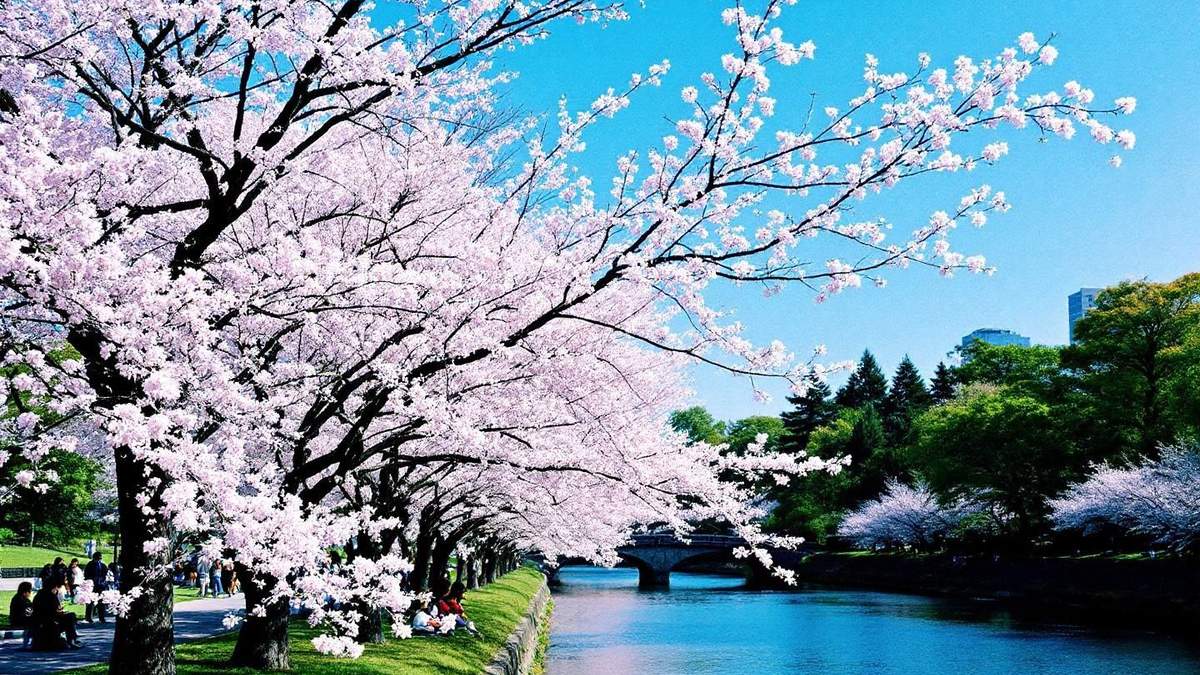
Every spring, Tokyo’s parks, riverbanks, and castle moats transform into some of the most beautiful urban landscapes on earth. The cherry blossom season — sakura — is Japan’s defining seasonal event, a two-week window of extraordinary color that draws millions of visitors and marks the emotional start of the Japanese year. Timing it right makes the difference between catching full bloom and arriving at bare branches. This guide covers everything: when to go, the best spots, and how to experience hanami like a local.
At a glance
| Where | Citywide — Shinjuku Gyoen, Ueno Park, Chidorigafuchi, Meguro River, and a dozen more spots across Tokyo |
| Cost | Free at most parks and streets; 300–500 yen entry at gardens like Shinjuku Gyoen and Rikugien |
| Time needed | 1 spot: 2–3 hours; a full hanami day combining 2–3 spots: a full day |
| Getting there | Tokyo Metro, JR Yamanote Line, and Toei subway all reach the main viewing spots directly |
| Best time | Around late March to early April; check the Japan Meteorological Corporation’s sakura forecast from January onward |
When Do Cherry Blossoms Bloom in Tokyo
Cherry blossoms in Tokyo typically peak between late March and early April. The Japan Meteorological Corporation publishes annual forecasts from January onward, tracking the “sakura front” as it moves northward across the country.
Average peak bloom dates for Tokyo:
- First buds opening (kaika): around March 22–25
- Full bloom (mankai, roughly 70% flowers open): around March 28 – April 5
- Peak viewing window: typically 5–10 days after full bloom declaration
- Petals falling (hanafubuki): 1–2 weeks after peak
Year-to-year variation of up to two weeks is normal. A warm winter accelerates bloom; a cold snap in late March can delay it or damage early blossoms. The 2024 season peaked around March 29 in Tokyo; 2025 was slightly later at around April 2.
What affects timing:
- Winter temperatures (colder winters delay bloom)
- Late cold snaps after buds begin (can cause partial damage)
- Rain during peak bloom (petals fall faster; muddy but atmospheric)
- Strong wind (shortens the window considerably)
The safest booking strategy for sakura season is to target late March to early April and be prepared for the season to run slightly earlier or later than average.
Sakura season week by week (typical Tokyo timeline):
| Period | Stage | Crowds | Notes |
|---|---|---|---|
| Mid-to-late March | Kaika (first buds) | Light | Early risk: cold snap can delay bloom |
| Late March | Mankai approaching | Building | Trees look sparse in photos, still worth visiting quieter gardens |
| Late March – early April | Mankai (full bloom) | Peak, especially weekends | The 5–10 day window most travelers target |
| Early-to-mid April | Petals falling (hanafubuki) | Thinning | Petal-carpeted paths; late-blooming spots like Shinjuku Gyoen still strong |
| Mid-April | Season over in most parks | Minimal | Only late varieties (Shinjuku Gyoen, some botanical gardens) still flowering |
Best Cherry Blossom Spots in Tokyo
Shinjuku Gyoen — The Premier Viewing Garden
Shinjuku Gyoen is widely considered Tokyo’s finest cherry blossom destination. The large national garden holds over 1,000 cherry trees across 58 hectares, representing 65 different varieties. Because it contains many late-blooming varieties alongside the standard Somei Yoshino, the season here lasts longer than almost anywhere else in the city — from late March into mid-April.
The garden’s manicured lawns provide ample space for hanami picnics without the dangerous crowding of Ueno Park. The French formal garden and traditional Japanese garden offer three distinct character zones.
Important: No alcohol is permitted inside Shinjuku Gyoen. This rule is enforced at the entrance and keeps the atmosphere calm and family-friendly.
- Entry: 500 yen adults; 250 yen ages 15–18; free under 15
- Hours: 9:00–16:30 (last entry 16:00); extended to 18:30 during peak bloom
- Getting there: Shinjuku-gyoenmae Station (Tokyo Metro Marunouchi Line), 3-minute walk; or south exit of Shinjuku Station, 10-minute walk
- Tip: Arrive at opening (9:00) for the lightest crowds
Ueno Park — The Classic Hanami Spot
Ueno Park is the most famous hanami location in Tokyo and one of the most famous in Japan. Around 800 Somei Yoshino trees line the main path and surround Shinobazu Pond, creating a tunnel of blossom at peak bloom. The atmosphere — blue tarps, portable barbecues, beer and sake flowing freely — is raucous, celebratory, and quintessentially Japanese.
Be prepared: Ueno is genuinely crowded during peak bloom on weekends, with queues simply to enter the main avenue. Weekday visits are much calmer. The atmosphere after dark, when lanterns illuminate the blossoms (yozakura), is unmistakably special.
- Entry: Free (park grounds); individual museum and zoo entry extra
- Getting there: Ueno Station (JR Yamanote Line), direct access to park
- Best time: Weekday evenings for illuminated blossoms with fewer crowds
Chidorigafuchi — Most Atmospheric Moat View
Chidorigafuchi is a 700-meter stretch of the Imperial Palace’s outer moat, lined with roughly 260 weeping cherry and Somei Yoshino trees whose branches arch over the water. When viewed from a rented rowboat looking back at the blossom-covered banks, it produces some of the most iconic sakura photographs in Japan.
The rowing boats (500 yen for 30 minutes) create queues of 1–3 hours on peak weekend days. Arrive early or visit on a weekday. The walking path along the moat is free and beautiful at any time of day.
- Entry: Free (walking path); 500 yen per person for rowboat rental
- Getting there: Kudanshita Station (Tokyo Metro Tozai/Hanzomon/Shinjuku lines), 5-minute walk
- Best time: Weekday mornings (fewer boat queues); evening illumination runs until 20:00 during peak bloom
Meguro River — Urban Canal in Full Bloom
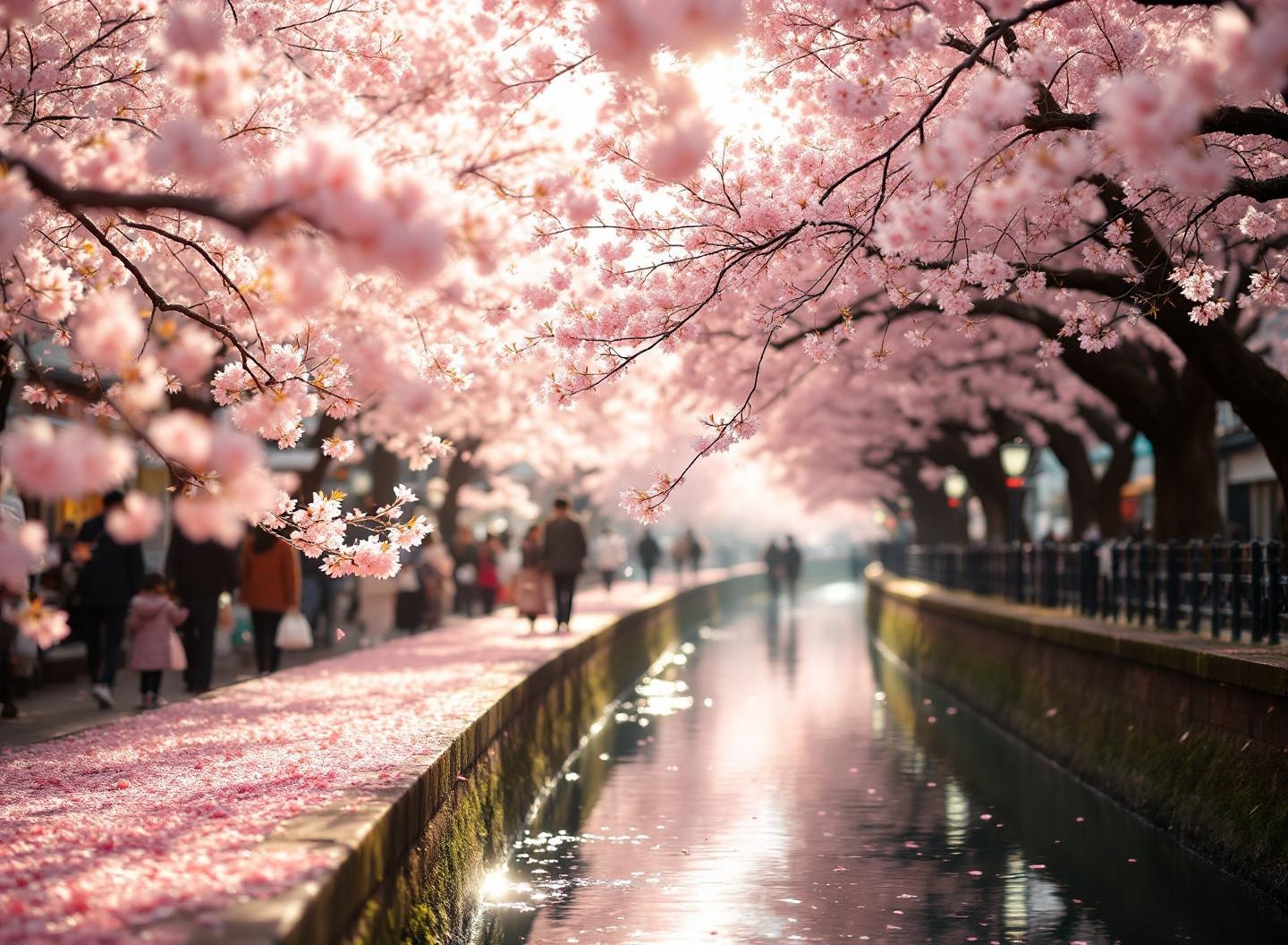
The Meguro River running through Nakameguro is lined with around 800 cherry trees whose branches interlock above the canal, creating a complete tunnel of blossom. The surrounding cafes, bars, and restaurants spill out onto the bank during sakura season, making this the most stylish and social hanami spot in the city.
Evening illuminations along the canal (yozakura) from 18:00 to 22:00 are among Tokyo’s best night sakura experiences. Crowds are heavy at weekends — arrive before 17:00 or after 21:00 for breathing room. The stretch between Nakameguro and Ikejiri-Ohashi stations is the most scenic.
- Entry: Free
- Getting there: Nakameguro Station (Tokyo Metro Hibiya Line, Tokyu Toyoko Line)
- Best time: Weekday evenings for illuminations without peak weekend congestion
Yoyogi Park — Casual and Spacious
Yoyogi Park is the most relaxed of Tokyo’s major hanami venues — vast open lawns, generous tree coverage, and a culture of bands, food vendors, and informal gatherings that makes it the favored spot for younger Tokyo residents. Alcohol is permitted. The atmosphere is festival-like without being crushingly crowded.
The park adjoins Meiji Shrine, allowing a combined visit — quiet Shinto atmosphere one moment, picnic blankets and barbecue smoke the next.
- Entry: Free
- Getting there: Harajuku Station (JR Yamanote Line) or Yoyogi-Koen Station (Tokyo Metro Chiyoda Line)
- Best time: Weekend afternoons for the full social atmosphere; any time for quieter viewing
Sumida Park — River Views Near Senso-ji
Sumida Park runs along both banks of the Sumida River between Asakusa and Mukojima, with around 1,000 cherry trees. The combination of blossoms, the Sumida River, and Tokyo Skytree rising in the background creates a particularly photogenic framing. River cruise boats pass through during peak season and many operators run special sakura cruises.
The park is free and rarely as crowded as Ueno despite being equally central.
- Entry: Free
- Getting there: Asakusa Station (Tokyo Metro Ginza Line, Toei Asakusa Line), 5-minute walk
- Best time: Early morning for the clearest light and Skytree views
Rikugien — Best Weeping Cherry in Tokyo
Rikugien is an Edo-period stroll garden in Komagome that holds one of Tokyo’s most celebrated single trees: a 150-year-old weeping cherry (shidare-zakura) of enormous size that blooms about a week before the Somei Yoshino variety, extending the season. The garden is illuminated at night during bloom, and the combination of the lit tree reflected in the garden pond is extraordinary.
Evening entry queues during peak bloom can reach 90 minutes on weekends. Book a weekday evening if possible.
- Entry: 300 yen
- Hours: 9:00–17:00 regular; extended to 21:00 during sakura illumination
- Getting there: Komagome Station (JR Yamanote Line, Tokyo Metro Namboku Line), 7-minute walk
- Best time: Evening during illumination period; check Tokyo Metropolitan Park Authority website for dates
Koganei Park — Off the Tourist Trail
Koganei Park in western Tokyo is a large suburban park with over 1,700 cherry trees of multiple varieties, making it one of the most densely blossomed parks in the metropolitan area. It is largely unknown to foreign tourists and visited mainly by local families. The Edo-Tokyo Open Air Architectural Museum within the park (400 yen entry) is genuinely fascinating — historic buildings relocated from across Tokyo and reconstructed on-site.
- Entry: Free (park); 400 yen for museum
- Getting there: Musashi-Koganei Station (JR Chuo Line), bus or 20-minute walk; or Higashi-Koganei Station (JR Chuo Line), 15-minute walk
- Best time: Any time during peak bloom; far less crowded than central parks
Inokashira Park — Romantic and Local
Inokashira Park in Kichijoji is centered on a large pond and is a beloved local hanami spot for young couples and students. Swan boat rentals operate on the pond. The park is adjacent to the Ghibli Museum (a 10-minute walk) and makes an excellent combined day trip.
- Entry: Free (park); 400 yen for Ghibli Museum (separate booking required)
- Getting there: Kichijoji Station (JR Chuo/Sobu Line, Keio Inokashira Line), 5-minute walk
- Best time: Weekday afternoons; sunset for reflections on the pond
Nighttime Illuminations (Yozakura)
Viewing cherry blossoms at night under lantern and LED illumination — yozakura — is a distinct and deeply beautiful experience. The petals glow differently under artificial light, and the crowds are often lighter after 20:00.
Best yozakura spots in Tokyo:
- Meguro River (Nakameguro): illuminated 18:00–22:00, canal reflection effect
- Chidorigafuchi moat: lanterns on the water path, illuminated to 20:00
- Ueno Park: lit until 21:00, most atmospheric of all
- Rikugien: the weeping cherry illumination, considered the finest in the city
- Shinjuku Gyoen: extended hours until 18:30 during bloom (no alcohol, still and beautiful)
Hanami Culture and Etiquette
Hanami (flower viewing) is Japan’s most beloved seasonal tradition, documented since the 8th century. Modern hanami in Tokyo means gathering with friends, colleagues, or family under blossoming trees for food, drink, and conversation — essentially a picnic with cultural significance.
Blue tarp etiquette: In crowded parks like Ueno, it is common and accepted practice to send one person early (sometimes very early) to claim a spot with a blue picnic tarp. Spaces are respected once claimed.
What to bring: Picnic blankets, convenience store onigiri and snacks, sake, beer, or non-alcoholic drinks, hand warmers (late March evenings are still cold), and a garbage bag (public bins are scarce — take your waste home).
Dress code: No formal requirements, but many Japanese attendees dress smartly or in spring colors. Light layers are essential — daytime temperatures in late March average 10–15°C; evenings drop to 5–8°C.
Alcohol: Permitted in most public parks (Shinjuku Gyoen is a notable exception). Drink moderately and clean up thoroughly.
Photography Tips
Cherry blossom photography rewards preparation:
- Golden hour: Shoot within 90 minutes of sunrise for soft light without crowds — particularly effective at Shinjuku Gyoen and Rikugien
- Overcast days: Diffuse light eliminates harsh shadows and makes colors pop more than direct sun
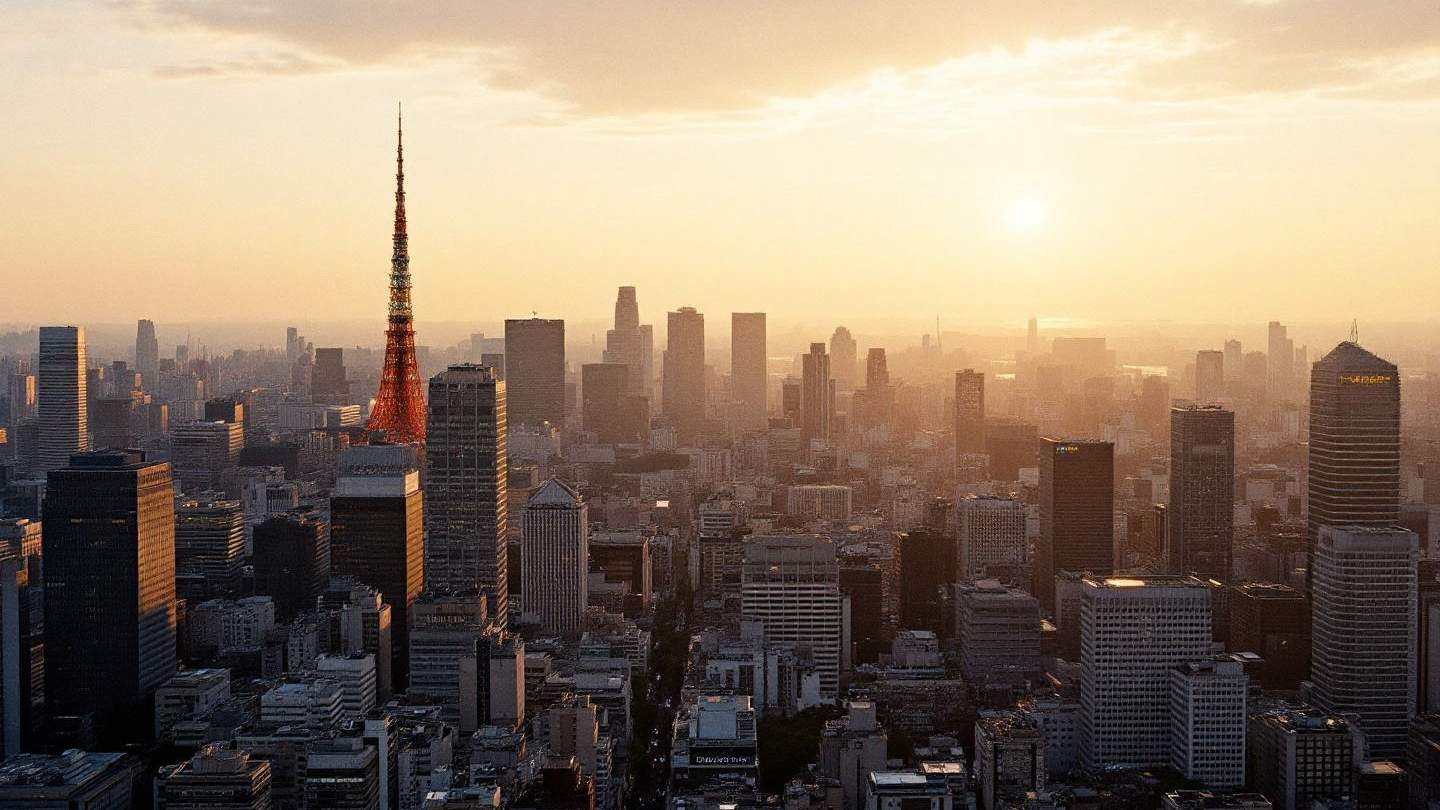
- Include context: Blossoms with Tokyo Skytree (Sumida Park), Tokyo Tower (Roppongi), or traditional architecture (Asakusa) create memorable foreground-background combinations
- Get low: Looking up through branches from below reveals the density of blossoms most effectively
- Rain: Wet petals on dark stone paths make striking close-up shots; carry your camera in a weather sleeve
Managing Crowds
The week of full bloom on a weekend draws enormous crowds to central spots. Practical strategies:
- Visit top spots on weekdays (Tuesday–Thursday are consistently lightest)
- Arrive at parks at opening time (9:00) before group gatherings form
- Use outer parks (Koganei, Inokashira, Hikarigaoka) for authentic local atmosphere without tourist pressure
- Plan your visit around multi-variety parks (Shinjuku Gyoen) where the season runs 2–3 weeks rather than 5–7 days
For more Tokyo spring planning, see things to do in Tokyo, the complete Tokyo guide, and the broader cherry blossom season guide for timing across the whole country. If you are choosing between the two big sakura cities, the Kyoto cherry blossom guide covers the same season from a different angle, and Japan in spring has wider seasonal planning notes.
Frequently asked questions
Do I need to book anything in advance for cherry blossom viewing in Tokyo? No advance booking is required for viewing at any of the spots covered here — the parks, moats, and gardens are open to walk-in visitors. The only queues to plan around are rowboat rental at Chidorigafuchi and evening illumination entry at Rikugien during peak weekends.
Which is better for cherry blossoms, Tokyo or Kyoto? Both bloom in roughly the same window (Tokyo typically a few days to a week ahead of Kyoto). Tokyo offers more variety of settings — moats, rivers, and gardens within a single city — while Kyoto pairs sakura with temple backdrops. See the Kyoto cherry blossom guide for a direct comparison of what each city offers.
More tours on Viator
Top-rated experiences with verified reviews, bookable on Viator (a Tripadvisor company).
 Viator
Tokyo: Make Your Own Chopsticks Shibuya
FromUSD 11Check availability → Viator
Private Curated Tour | Get Tokyo’s Must Sees & Unique Insights
FromUSD 144Check availability → Viator
Akihabara Tailor-made Private Tour for Anime Fans
FromUSD 128Check availability → Viator
Experience all of Japanese culture and Japanese food experience classes "origami, udon, Japanese food, green tea, calligraphy" in 4 hours
FromUSD 89Check availability → Viator
Samurai Experience - Learn Bushido through Kendo, in Tokyo
FromUSD 128Check availability → Viator