Osaka with Kids
Last updated: March 2026
Osaka is one of the best cities in Japan for families with children. The combination of world-class theme parks, a major aquarium, interactive museums, easy transport, and a food culture that produces dishes most children will actually eat makes it a city that works across age groups. The local character helps too — Osaka people are openly friendly, slower to treat children as an inconvenience, and genuinely enthusiastic about sharing what they love about their city.
This guide covers the best family-oriented experiences in and around Osaka, with practical information on costs, durations, and logistics for traveling with children.
Universal Studios Japan
Universal Studios Japan (USJ) in the Sakurajima district is one of the most visited theme parks in Asia and, by most accounts, one of the best-run. The park consistently executes its IP-based attractions with high production value, short wait times relative to similar parks, and a level of thematic density that rewards slow exploration.
Super Nintendo World is the clear highlight and the reason many families plan their Japan trip around USJ. The entire land is a physical translation of the Mario universe — green pipes, Question Blocks, Koopa Troopa shells, Piranha Plants, and a motion-sensing wristband system (Mario Kart: Bowser’s Challenge) that turns the whole area into a scored game accessible to any age. Book the Mario Kart attraction virtual line immediately upon park entry; it fills within 30 minutes of opening.
The Wizarding World of Harry Potter remains one of the park’s most impressive themed lands, with Hogwarts Castle as the backdrop for the Harry Potter and the Forbidden Journey ride (minimum height 122cm) and the Hogsmeade village for butterbeer and Honeydukes shopping.
Other highlights for children: Minion Park (highly suitable for young children, no height restrictions), DreamWorks Animation land, and the seasonal attractions that change throughout the year.
Practical notes:
- Entry tickets: 8,600–10,400 yen per person (age 4 and up); children under 4 free
- Express passes (1,800–12,000 yen depending on pass type and date) significantly reduce wait times and are worth purchasing for busy periods
- Book tickets and express passes at least 2 weeks in advance for weekends and school holidays
- USJ opens at 9am; arriving 30 minutes before opening is advisable
- Full day expected; most families spend 8–10 hours
Getting there: JR Yumesaki Line from Osaka Station to Universal City Station (5 minutes, 170 yen). The park entrance is a 5-minute walk.
Osaka Aquarium Kaiyukan
Kaiyukan is consistently ranked among the top five aquariums in the world, and the ranking is accurate. The building design follows a spiral path that descends through progressively deeper ocean environments, from the Pacific Coast tide pools at the top to the deep-sea tank at the base. The central tank — 9 meters deep and 34 meters wide, containing whale sharks, manta rays, and large schools of fish — is the most impressive single aquarium exhibit in Japan.
The whale sharks alone justify the visit for most children. The tank is large enough that the animals swim full circuits visible from multiple floors, and the illumination is calibrated to maximize the visual impact. Other standout exhibits: the Pacific Ocean tank (open water feel), the Antarctica section (live penguins), the dolphin tank with underwater viewing, and the touch pools with small rays and starfish.
The aquarium is very popular on weekends and during school holidays; visit on a weekday morning if possible. Allow 2–3 hours for a thorough visit.
Entry fee: 2,400 yen adults; 1,200 yen children (ages 7–15); 600 yen children (ages 4–6); free under 4 Opening hours: 10am–8pm (last entry 7pm); extended hours during holidays Getting there: Osaka Metro Chuo Line to Osaka-ko Station (10-minute walk), or the direct sightseeing boat from Namba if operating.
Nara Day Trip — The Deer Park
Nara, 45 minutes from Osaka by express train, contains approximately 1,200 wild sika deer that roam freely through the park surrounding Todai-ji temple. The deer have been considered sacred messengers of the gods since the 8th century and are, in practical terms, completely comfortable with human proximity. They will approach, bow for deer crackers (shika-senbei, 200 yen per bundle sold from vendors throughout the park), and occasionally attempt to investigate bags, pockets, and children’s hands.
For children, the deer are the experience — more immediate and memorable than any museum or temple. Young children should be supervised closely, as the deer can be assertive around food. Deer crackers should be given one at a time to avoid being swarmed. The deer bow when prompted (they have learned this earns crackers) and the bowing exchange is a genuinely delightful few minutes for any age.
Todai-ji — the enormous 8th-century temple housing a 15-meter bronze Buddha — is impressive even to children for its sheer scale. The wooden pillars inside the main hall have a hole cut through one at the base said to be the same size as the Buddha’s nostril; children who squeeze through are promised good fortune.
Deer park: Free Todai-ji entry: 600 yen Total day budget: 1,500–2,500 yen per person including transport Getting there: Kintetsu Nara Line Limited Express from Osaka-Namba Station to Kintetsu Nara (37 minutes, 680 yen). JR Yamato-ji Line from Osaka Station via Tennoji to Nara (60 minutes, 820 yen). The Kintetsu option is faster and deposits you closer to the park.
Kyoto and Nara Day Trip from Osaka
A guided full-day excursion covering Nara deer park and Todai-ji in the morning, then Kyoto's Fushimi Inari and Arashiyama in the afternoon. Suitable for families with children of all ages. Transport and entry fees included.
Osaka Castle
Osaka Castle is one of the most recognizable buildings in Japan and, for children, it functions primarily as an extremely impressive samurai setting. The castle tower itself is a 1931 reconstruction with modern museum interiors on seven floors, culminating in an observation deck with views over the city and surrounding park.
The castle grounds host a permanent area where children can dress in samurai or princess costumes (500–1,000 yen for the rental and a photo opportunity) — a completely non-traditional addition that children generally love. The museum interior is more interesting to adults than children, but the scale of the exterior, the massive stone walls, and the surrounding moat make the approach worthwhile regardless.
The park surrounding the castle (free to enter) is also one of the best picnic and play spaces in central Osaka.
Entry fee: 600 yen per person; free for elementary school age and under Opening hours: 9am–5pm (last entry 4:30pm) Getting there: Osaka Metro Chuo Line or Tanimachi Line to Tanimachi 4-chome Station (5-minute walk). Or Osaka Loop Line to Osakajokoen Station.
Cup Noodle Museum Osaka Ikeda
The Cup Noodle Museum in Ikeda (30 minutes from Osaka Station) is dedicated to the invention of instant noodles by Momofuku Ando and is one of the most genuinely interesting food museums in Japan. The centerpiece is the Chicken Ramen Factory, where children (ages 5 and up) make their own ramen noodles by hand using a production process similar to Ando’s original method. Advance reservation is required and strongly recommended.
The My Cup Noodle Factory is the other main attraction: participants design a custom cup (from a choice of four soups and a selection of toppings), which is then sealed and taken home. The entire exercise takes about 30 minutes and costs 500 yen — disproportionately enjoyable for both children and adults.
The museum also contains an extensive exhibit on instant noodle history, a replica of the small shed where Ando invented chicken ramen, and a comprehensive archive of every instant noodle product sold globally since 1958.
Entry fee: 500 yen (museum; additional 500 yen for My Cup Noodle Factory); Chicken Ramen Factory 500 yen Opening hours: 9:30am–4pm (closed Tuesdays) Getting there: Hankyu Takarazuka Line from Osaka-Umeda Station to Ikeda Station (25 minutes, 330 yen). 5-minute walk to the museum.
Kids Plaza Osaka
Kids Plaza Osaka in the Tenjinbashi district is Japan’s largest indoor children’s museum, with five floors of interactive exhibits designed for children from infants to approximately age 12. The exhibits cover science, culture, world geography, and creative expression, with most activities language-independent and accessible without Japanese ability.
The most popular areas: the outdoor/indoor water play section (bring a change of clothes for younger children), the construction and engineering area, the world village exhibits where children can visit reproduced environments from different countries, and the theater workshop space.
Younger children (under 6) tend to be happiest in the lower floors; older children find more to engage with on the upper science-focused floors.
Entry fee: 1,400 yen adults; 1,400 yen children ages 3–17; free under 3 Opening hours: 9:30am–5pm (closed Mondays except holidays) Getting there: Osaka Metro Sakaisuji Line to Ogimachi Station (2-minute walk).
Tempozan Ferris Wheel
The Tempozan Giant Ferris Wheel, adjacent to Kaiyukan Aquarium on Osaka Bay, is one of the larger ferris wheels in Japan at 112.5 meters. A full rotation takes approximately 15 minutes and provides clear views of Osaka Bay, the Akashi-Kaikyo Bridge (the world’s longest suspension bridge, visible on clear days), and the Osaka city skyline.
The base of the Tempozan Harbor Village also contains a small shopping mall, the Tempozan Marketplace, and a short walk along the waterfront to the Santa Maria tourist boat (a replica of Columbus’s ship, operating sightseeing cruises of Osaka Bay). The ferris wheel and waterfront area work well as a 90-minute addition to an Aquarium visit.
Ferris wheel: 900 yen adults; 400 yen children (ages 3–12) Santa Maria cruise: 1,600 yen adults; 800 yen children Getting there: Same as Kaiyukan — Osaka Metro Chuo Line to Osaka-ko Station.
Dotonbori for Kids
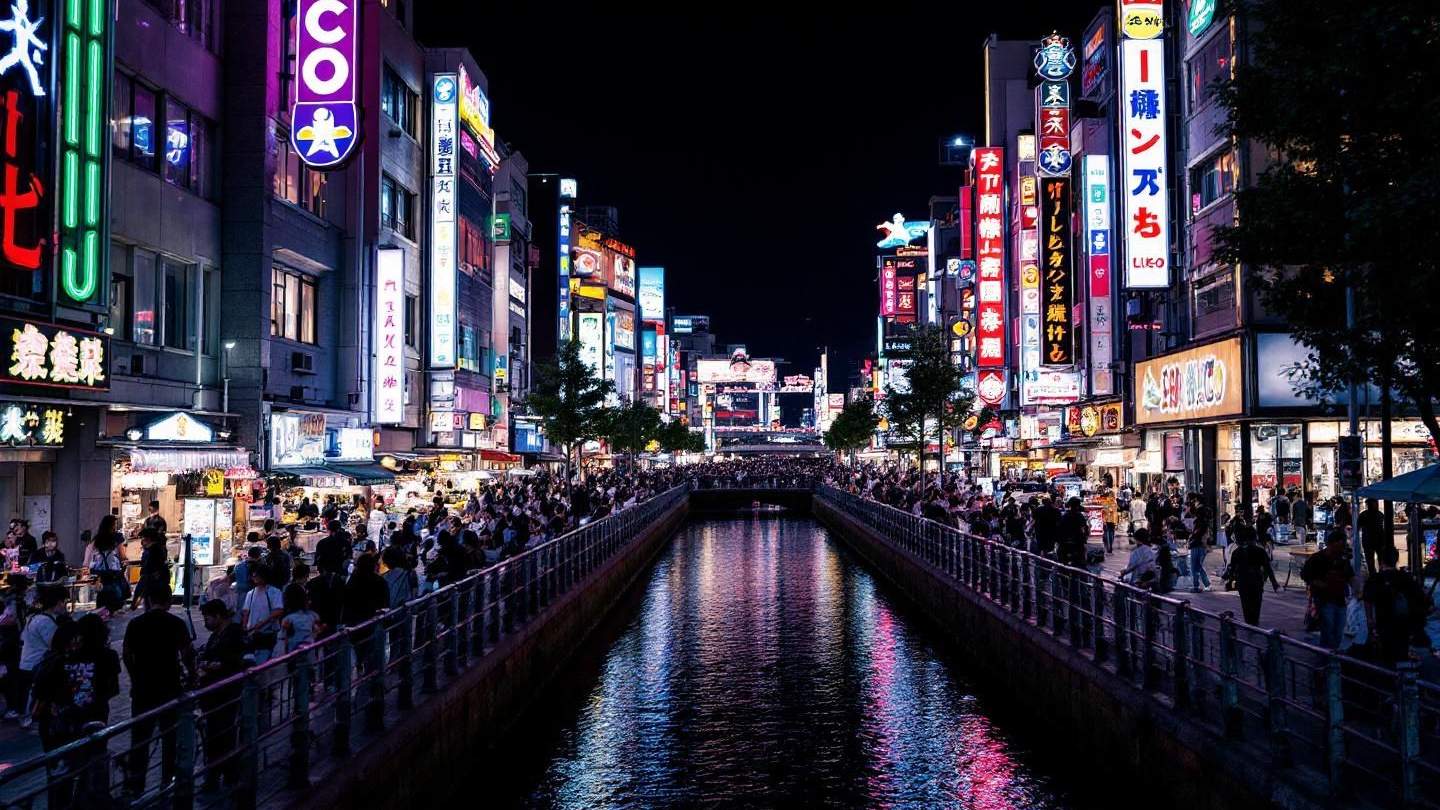
Dotonbori functions surprisingly well as a family destination, particularly in the daytime. The oversized mechanical signs — the rotating Kani Doraku crab, the massive Glico Running Man, the giant puffer fish above Zuboraya — are intrinsically entertaining for children who encounter them. The covered arcade atmosphere is engaging, the food is immediate and accessible, and the canal promenade gives children room to move without getting separated in dense crowds.
Best food options with children in Dotonbori:
- Takoyaki: Most children enjoy takoyaki once they get past the “octopus” revelation. Order without sauce for hesitant eaters; the batter alone is mild. Aizuya is the reference vendor (600 yen for six).
- Crepes: Several crepe vendors along the arcade offer sweet fillings (strawberry, custard, chocolate) familiar to any child.
- Ramen: The Kinryu Ramen stall (red dragon sign, open until 5am) serves a straightforward tonkotsu-shoyu bowl for 800 yen; mild enough for most children.
- Soft-serve: Matcha soft-serve at several points along the arcade; also vanilla and mixed options.
Takoyaki Making Class
Osaka is the original home of takoyaki, and learning to make them is one of the most memorable food experiences available to families in Japan. Several cooking schools near Namba and Dotonbori offer hands-on takoyaki workshops, typically 90 minutes long, where participants mix the batter, add fillings, and master the characteristic wrist-flick rotation technique that turns the balls while they cook.
The rotation technique is harder than it looks and provides genuine entertainment for all ages — children find the challenge absorbing and the instructors patient. At the end of each class, participants eat everything they made.
What to book: Look for classes marketed to families or as “no Japanese required” — most reputable operators have English-speaking guides and simple instruction sheets.
Typical cost: 3,000–5,000 yen per person Duration: 90 minutes
Family-Friendly Restaurants
Osaka’s restaurant culture generally accommodates children better than Tokyo’s. High chairs (high chair = haichea in transliterated Japanese) are available at many family restaurants, and the broader eating culture — oriented around sharing multiple dishes rather than formal individual courses — works naturally with children’s variable appetites.
Practical dining options for families:
- Ganko Sushi: A family-friendly sushi chain with picture menus, conveyor belt options at some branches, and accessible pricing (individual pieces from 120–450 yen). Multiple locations in Namba and Shinsaibashi.
- Kura Sushi: Conveyor belt (kaiten) sushi with a touch-panel ordering system; game elements for children when plates are returned. Plates from 110 yen.
- Ootoya: Japanese family restaurant chain serving rice bowls, grilled fish, and set meals. Picture menus, no minimum spend, children’s sets available (around 600 yen).
- McDonald’s / Mos Burger: Present throughout central Osaka; useful for picky eaters or tired evenings.
Transport Tips for Families
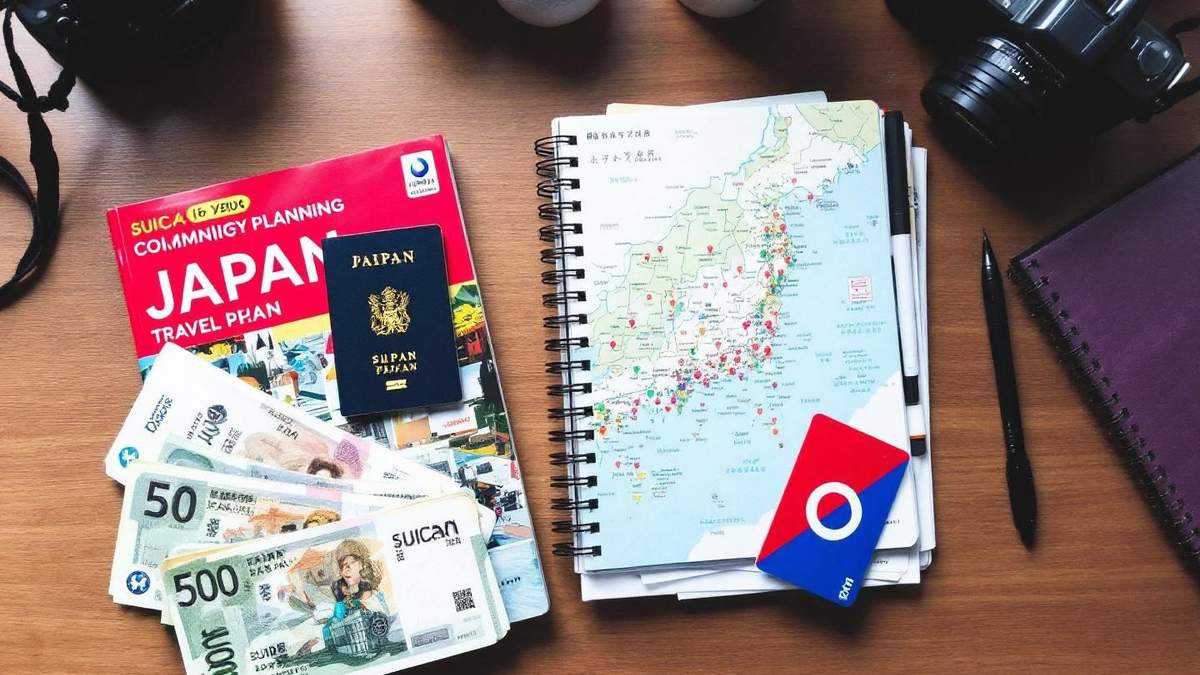
IC cards: Load Suica or ICOCA cards for children (available at any station, loaded with any amount from 1,000 yen). Children under 6 travel free on Osaka Metro when accompanied by an adult; children 6–11 pay half fare.
Strollers: Japan’s train system accommodates strollers reasonably well. Elevators are present at most major stations. Fold the stroller when trains are crowded (rush hours 8–9am and 6–7pm). Avoid trains during rush hours with young children where possible.
Baby facilities: Osaka’s major stations, department stores, and shopping malls have well-equipped nursing rooms (授乳室, junyushitsu) with changing tables, feeding chairs, and warm water. Search for the baby mark symbol on signage.
Convenience stores: 7-Eleven, Lawson, and FamilyMart are universal and stock baby food, diapers, wipes, children’s snacks, and formula. They are genuinely useful backup resources for forgotten supplies.
See our full Osaka things to do guide and our Japan for families guide for broader trip planning across the country.
More tours on Viator
Top-rated experiences with verified reviews, bookable on Viator (a Tripadvisor company).
 Viator
Samurai Training Experience KENDO in Osaka
FromUSD 126Check availability → Viator
Osaka Sake Tasting & Takoyaki Cooking Experience
FromUSD 70Check availability → Viator
Private Osaka Tour from Your Hotel with Local Guide
FromUSD 108Check availability → Viator
Ramen Cooking Class in Osaka Dotonbori with Sushi or Gyoza Option
FromUSD 69Check availability → Viator
Kimono experience and Japanese home-cooking lesson Osaka Umeda
FromUSD 77Check availability → Viator