Kyoto in 3 Days
Is 3 days enough for Kyoto?
Three days is the comfortable first-visit to Kyoto. You have room for the main temple circuits, an evening in Gion without rushing, Arashiyama at depth, and a quieter second-tier experience like Fushimi Inari at dawn or the Philosopher's Path at golden hour. You will not be rushing. You will leave satisfied.
Three days in Kyoto lets you breathe. You have the full temple circuit covered, an evening in Gion at the right time, and enough room to discover something on your own rather than sprinting between sights. Here is the complete plan.
| At a glance | |
|---|---|
| Where to base yourself | Central Kyoto, Shijo/Kawaramachi area |
| Cost per person / day | Around 6,000–10,000 yen (admissions, transport, food, excluding hotel) |
| Getting there | Shinkansen from Tokyo (around 2h15) into Kyoto Station |
| Getting around | Kyoto City Bus Day Pass (700 yen), JR Sagano Line, subway |
| Best time | May and October for weather and manageable crowds; late March–early April and mid-November are spectacular but need bookings 3–4 months ahead |
| Pace | Comfortable — one early start (Fushimi Inari or Arashiyama) per day, room to linger |
Day-by-Day Summary
| Day | Morning | Afternoon | Evening |
|---|---|---|---|
| Day 1 | Fushimi Inari (7:00) | Nishiki Market, Kinkaku-ji + Ryoan-ji | Gion, Gion & Pontocho food tour |
| Day 2 | Arashiyama Bamboo Grove + Tenryu-ji (7:30) | Okochi Sanso, Monkey Park, optional Kinkaku-ji | Tea ceremony, sake tasting, or Pontocho dinner |
| Day 3 | Philosopher’s Path + Nanzenji | Kiyomizudera, Sannen-zaka/Ninen-zaka | Nijo Castle wraps early afternoon; final Kyoto night |
Day 1: Fushimi Inari, Nishiki Market, Gion Evening
Early Morning: Fushimi Inari Taisha (7:00–9:30)
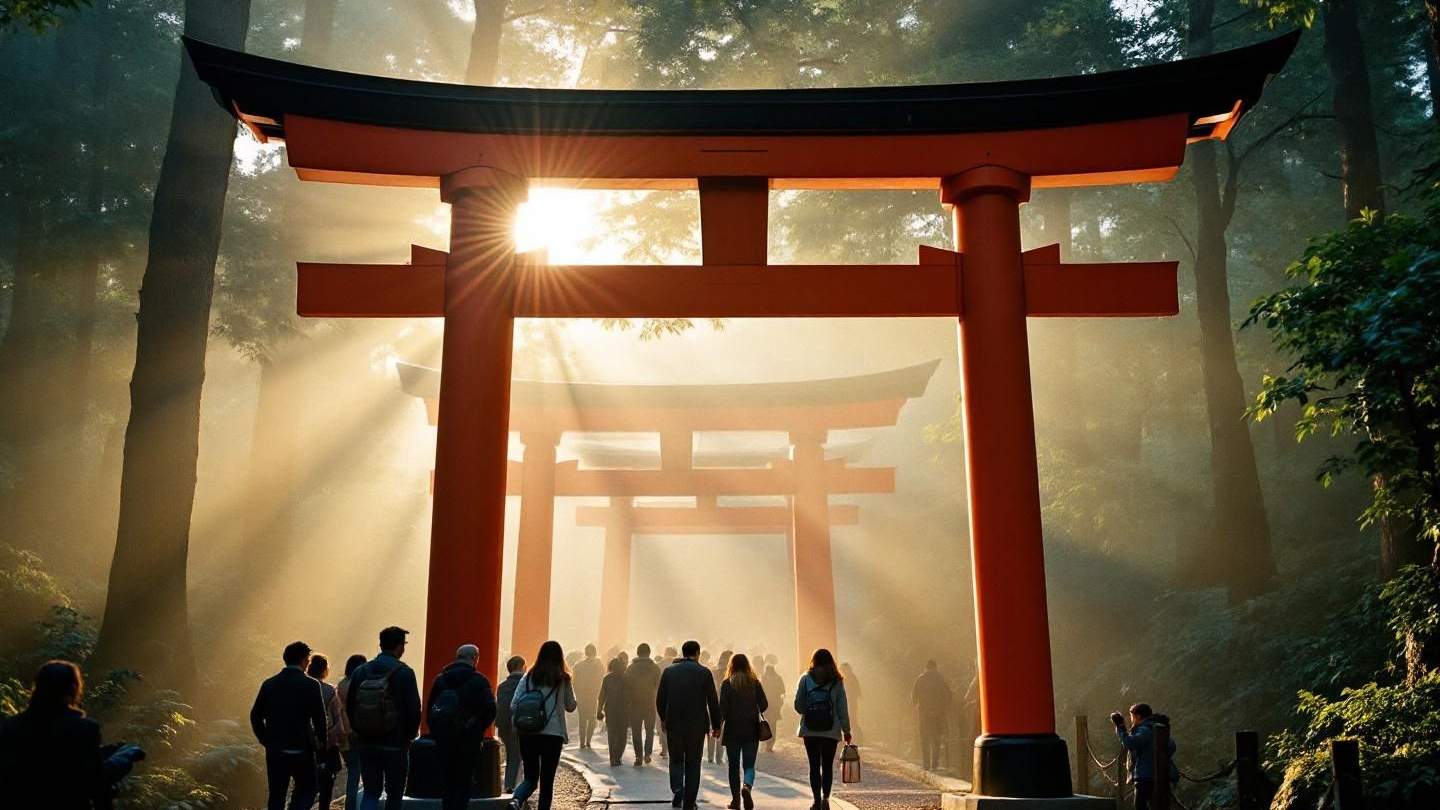
Arrive before 7:30 am. The Senbon Torii — the two parallel corridors of orange-red torii gates spiraling up Inari Mountain — is one of the most photographed places in Japan. At 7 am it is also one of the most genuinely beautiful. By 10 am it is a tourist traffic jam.
Walk the full Senbon Torii to the first shrine complex (15 minutes), then continue uphill to the Yotsutsuji intersection (about 45 minutes from the base). The panoramic view of Kyoto from here, framed by torii gates on all sides, is exceptional. This is the right turnaround point for most visitors. Full summit is 2–3 hours and the upper path has far fewer gates — save it for a separate dawn visit on Day 3 if you want to see it empty.
Free to enter, open 24 hours. JR Nara Line from Kyoto Station to Inari Station (5 minutes, 150 yen).
Fushimi Inari Guided Walking Tour
3-hour guided walk through the shrine complex and torii gate path with an expert local — the history, the fox deity symbolism, and the mountain's role in Japanese business culture explained properly.
Mid-Morning: Nishiki Market (10:00–11:30)
Return to central Kyoto. Nishiki Market is a 400-meter covered market street nicknamed “Kyoto’s Kitchen” — stalls selling pickles, fresh tofu, grilled skewers, tamagoyaki, matcha confections, and dried seafood. Walk end to end, buy what looks interesting, eat at the stalls (150–300 yen per item).
The market closes early — most stalls shut by 5–6 pm, a few close at 4 pm. Morning or early afternoon is the best visit time.
Afternoon: Kinkaku-ji and Ryoan-ji (12:30–15:30)
Take bus 101 or 205 from central Kyoto to the northwest. Kinkaku-ji, the Golden Pavilion — three stories of gold leaf reflecting in the mirror pond below — is Kyoto’s most visited site and earns it. Entry 500 yen. You walk a prescribed path around the pond and view the structure from multiple angles. Allow 35–45 minutes.
Ryoan-ji is 10 minutes’ walk from Kinkaku-ji. The rock garden — fifteen stones in raked gravel, one always hidden — is Japan’s most famous karesansui garden. Entry 600 yen. Quieter than Kinkaku-ji, more contemplative. Spend 20–30 minutes here and walk the temple’s outer garden on the way out.
Evening: Gion and Pontocho Food Tour (17:00–21:00)
5 pm: walk through Gion. Hanamikoji Street at this hour has the golden light, thinned crowds, and the chance of seeing a maiko en route to her evening appointments. Walk slowly, look at the teahouse facades, and do not rush.
The evening food tour through Gion and Pontocho is the best single activity in Kyoto for food travelers — 13 tastings across 3 hours, guided by a local who knows which doors to open.
Gion & Pontocho Evening Food Tour — 13 Tastings
Kyoto's top-rated food experience: an evening guided walk through Gion and Pontocho sampling kaiseki small plates, Kyoto tofu, sake, grilled street food, and matcha sweets across 13 stops.
Day 2: Arashiyama
Early Morning: Arashiyama Bamboo Grove (7:30–9:00)
Arashiyama’s bamboo grove is as famous as Fushimi Inari and requires the same early timing. Before 8:30 am you can walk the 500-meter corridor of towering bamboo in relative quiet and actually photograph it. By 11 am it is a queue.
From Kyoto Station: JR Sagano Line to Saga-Arashiyama Station (15 minutes, 240 yen). Or from Shijo: Hankyu Line to Katsura, transfer to Arashiyama Line (about 35 minutes).
Morning: Arashiyama at Depth (9:00–12:30)
With a 3-day visit, you have time to go beyond the bamboo:
Tenryu-ji: Immediately behind the bamboo grove, this UNESCO World Heritage Zen temple has one of Japan’s finest garden landscapes — a 14th-century pond garden with Arashiyama hill as borrowed scenery. Entry 500 yen (garden) or 800 yen (including main hall). Allow 45 minutes.
Okochi Sanso: A 20-minute walk from Tenryu-ji, this hillside villa of a 1920s silent film star has layered gardens with views over the Oi River valley and Kyoto in the distance. Entry 1,000 yen, includes matcha and a wagashi sweet in the tea house. Quiet, rarely crowded, the best value per yen of any Arashiyama site.
Monkey Park Iwatayama: 20-minute hike up the hillside to a sanctuary where Japanese macaques roam free while visitors are caged inside to feed them from the inside. Entry 600 yen. Genuinely delightful.
Lunch near Arashiyama Station at one of the cafes or shokudo restaurants (1,000–2,000 yen). The area around the station has good options including yudofu (Kyoto-style hot tofu) restaurants.
Arashiyama Bamboo Grove Guided Tour
Guided morning walk through Arashiyama — the bamboo grove, Tenryu-ji garden, and the quieter paths most visitors miss. The context on Zen garden design and the area's film history is genuinely interesting.
Afternoon: Western Kyoto — Kinkaku-ji (if not done Day 1) and Nishiki Market (13:30–17:00)
If you did Kinkaku-ji on Day 1, spend the afternoon exploring further in Arashiyama (the Sagano Romantic Train is a 25-minute scenic railway through the gorge — seasonal and popular) or return to central Kyoto for free time.
If Kinkaku-ji is still on your list: take the bus from Arashiyama toward the northwest. Kinkaku-ji + Ryoan-ji combo is 90 minutes.
Evening: Kyoto at Your Pace
No set plan. Options depending on what you have covered:
- A tea ceremony experience — Kyoto has dozens of legitimate schools offering 45-minute to 2-hour sessions (2,000–6,000 yen). Book in advance.
- Sake tasting — the Fushimi district (on the way to/from Fushimi Inari) is Kyoto’s sake brewing heartland, with working brewery tours and tasting rooms.
- Dinner in Pontocho — in summer, restaurants extend onto wooden platforms over the Kamo River. Even outside summer, the narrow alley with its lanterns and restaurant fronts is one of Japan’s most atmospheric dining streets.
Day 3: Philosopher’s Path, Kiyomizudera, Nijo Castle
Morning: Philosopher’s Path and Nanzenji (8:30–11:30)
The Philosopher’s Path is a 2-kilometer canal-side walkway in east Kyoto, lined with cherry trees, connecting Ginkaku-ji in the north with Nanzenji in the south. In spring the cherry blossoms are extraordinary; in other seasons it is simply a pleasant walk through east Kyoto’s temple neighborhoods.
Start at Ginkaku-ji (the Silver Pavilion, though it is actually painted black — entry 600 yen). Walk south along the path, stopping at any of the small temples along the way (Honen-in is a quiet and rarely crowded gem — free). End at Nanzenji, a large Rinzai Zen temple complex with a dramatic stone aqueduct running through its grounds and an excellent Hojo garden (entry 600 yen).
Midday: Kiyomizudera (12:00–14:00)
From Nanzenji, take a bus or taxi east toward Kiyomizudera (about 20 minutes). This is Kyoto’s most iconic temple — a 17th-century wooden stage structure extending over the hillside above the city, supported by pillars without a single nail. Entry 500 yen.
Yes, it is busy. On a 3-day trip you have flexibility — visit at noon when morning tour groups have started dispersing. Walk down the Sannen-zaka and Ninen-zaka stone-paved lanes below the temple (lined with traditional craft shops and tea rooms) for the most authentic souvenir shopping in Kyoto.
Afternoon: Nijo Castle (14:30–16:30)
Nijo-jo Castle is the former Kyoto residence of the Tokugawa shogunate — a UNESCO World Heritage Site that most first-timers skip in favor of more temples, which is a mistake. The Ninomaru Palace interior (entry 1,300 yen with gardens) has its original rooms decorated with extraordinary Kano school paintings, and the “nightingale floors” that squeak underfoot as a security measure are an experience you do not get at any temple.
The castle garden is excellent in spring (plum blossoms before the cherry), autumn, and whenever the special illumination events run in summer.
Evening: Final Kyoto Night
By Day 3 evening you know which part of Kyoto you want more of. Go back to it. Gion at night if you want the atmosphere without the tour crowds. Pontocho for a final meal. Nishiki Market for last-minute food shopping.
Kyoto closes early — most restaurants take last orders by 9:30 pm, bars close by midnight. Plan accordingly.
Where to Stay
Central Kyoto (Shijo/Kawaramachi area) is the best base for a 3-day visit — walking distance from Gion and Nishiki Market, good bus connections to all temple areas, widest range of hotels and ryokan.
Near Kyoto Station for maximum transit efficiency — practical if you are arriving from Tokyo by Shinkansen and leaving early. The station area has many hotels but less ambient character.
Ryokan for one night: strongly recommended if budget allows. 20,000–40,000 yen per person including kaiseki dinner and breakfast. The Fushimi or Higashiyama areas have several excellent mid-range ryokan near the main sights.
Getting Around
Kyoto City Bus Day Pass (700 yen): covers unlimited bus travel. Buy at Kyoto Station bus ticket office or on the bus. Most temple areas in northwest and east Kyoto are bus-accessible.
JR Sagano Line: from Kyoto Station to Fushimi Inari (5 min) and Arashiyama (15 min).
Subway: Karasuma and Tozai lines cover central Kyoto, Nijo Castle, and Sanjo/Shijo. IC card works on all.
Taxis: metered, fairly cheap for short distances (600–1,500 yen within the temple areas). Good for late-evening returns.
What to Skip in 3 Days
Fushimi sake brewery tours AND Uji matcha museum AND Amanohashidate. All are interesting; none of them belongs in a 3-day first-visit Kyoto itinerary.
Multiple day trips. Nara in 3 days is legitimate if you trade it for one temple afternoon. Osaka and Nara in the same 3-day trip leaves Kyoto half-seen.
Every tea ceremony at every temple. One is enough for a first visit. Two is fine. Three starts to feel like a theme park version of Japan.
Tips for a 3-Day Kyoto Trip
- Fushimi Inari at dawn (5:30–6:00 am) is a completely different experience from 7:30 am — completely empty. Worth getting up for once if you have 3 days.
- Kyoto’s food culture is distinct from Tokyo’s. Kaiseki, yudofu (hot tofu), Kyoto-style obanzai (small vegetable and fish dishes), and matcha in every possible form. Seek it out.
- The Nishiki Market stalls close by 5–6 pm. Do not leave it until evening.
- November (autumn foliage) and late March to mid-April (cherry blossoms) are spectacular. Accommodation books out months ahead. Outside those windows, Kyoto in May and October has excellent weather and manageable crowds.
- Temple entry fees add up — budget 3,000–5,000 yen per day for admissions.
- Gion etiquette: do not photograph people through teahouse windows, do not follow maiko, do not force photos. The geisha community has been seriously disrupted by tourist behavior in recent years and the rules are now enforced.
Getting to Kyoto and Making the Most of the Extra Day
Most 3-day Kyoto trips start with a Shinkansen leg from Tokyo (around 2h15) or a shorter hop from Osaka or Kansai Airport — see Tokyo to Kyoto for connections and whether the JR Pass pencils out for your route now that the pass price has risen; for many single round-trip itineraries it no longer clearly beats individual tickets. Load an IC card before you land so city buses and the subway work immediately.
The extra day over a 2-day trip is what lets you add Kiyomizudera and Nijo Castle properly rather than skipping them — see Kyoto in 2 days for the compressed version if your schedule changes. If you want to trade one temple afternoon for a change of scenery, Kyoto’s day trip options covers Nara and other nearby towns, and the Kyoto temples guide is useful if you want to swap in a different combination than the one above.
More tours on Viator
Top-rated experiences with verified reviews, bookable on Viator (a Tripadvisor company).
 Viator
Private Tea Ceremony and Sake Tasting in Kyoto Samurai House
FromUSD 102Check availability → Viator
Kyoto: Zen Garden, Zen Mind (Private)
FromUSD 380Check availability → Viator
Private car tour in Kyoto (up to 4)
FromUSD 287Check availability → Viator
Become a Samurai Movie Star in Kyoto by Filming with a Real Actor
FromUSD 126Check availability → Viator
Near Fushimiinari: Kyoto Home Cooking Class & Supermarket tour
FromUSD 121Check availability → Viator