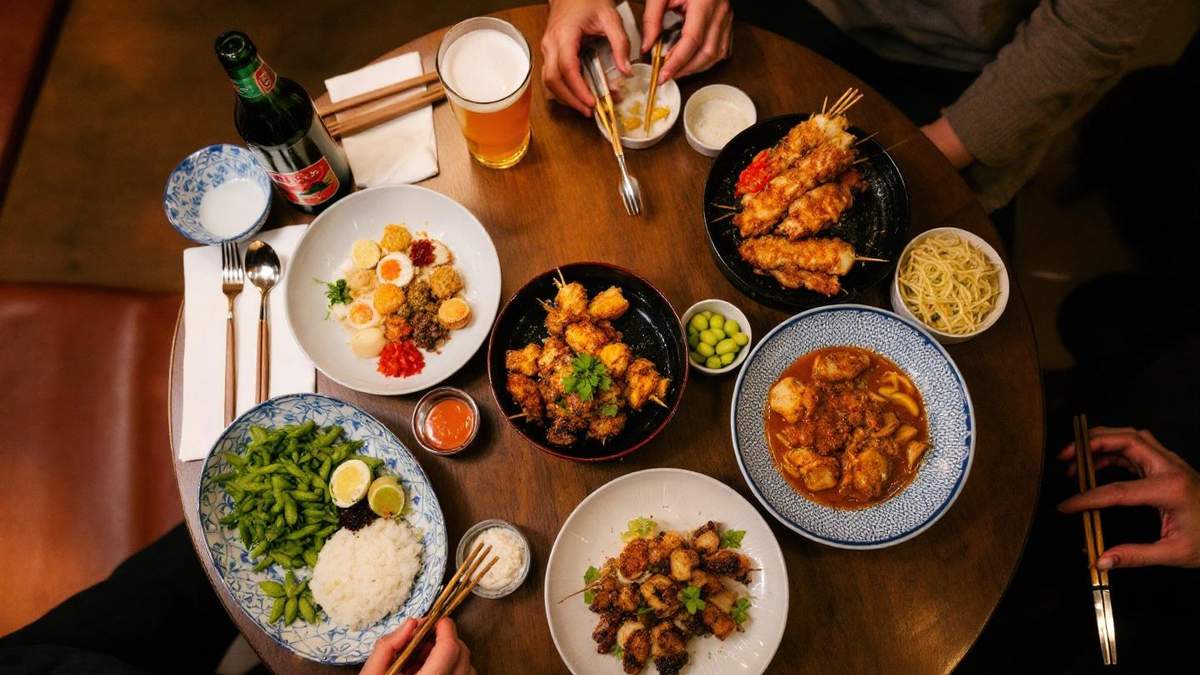
Japanese Food Guide
Last updated: March 2026
What must I eat in Japan?
At minimum: authentic sushi (at a conveyor belt or counter), a bowl of ramen, yakitori, tempura, and Japanese curry. In Osaka, try takoyaki and okonomiyaki. In Kyoto, try kaiseki. And never skip convenience store onigiri — they are surprisingly delicious.
Japan has more Michelin-starred restaurants than any other country in the world. That single fact should tell you everything about how seriously this country takes food. But what makes Japanese cuisine remarkable for travelers is not just the high end — it is the fact that a ¥600 bowl of ramen from a tiny six-seat shop can be one of the most satisfying meals of your life. Food in Japan is democratic. It is obsessive. It is regional. And it is waiting for you at every price point.
This guide covers everything you need to eat well in Japan, from the iconic dishes to the etiquette, the regional differences to the convenience store secrets. For hands-on food experiences, see our Osaka food tours, Osaka street food guide, and Tokyo food guide. Dining etiquette is covered in detail in our Japan etiquette guide.
Dish Reference Guide
| Dish | Price Range | Best City | Where to Find |
|---|---|---|---|
| Conveyor belt sushi (kaiten-zushi) | ¥110–¥330/plate | Nationwide | Sushiro, Kurazushi (chains) |
| Ramen | ¥800–¥1,500/bowl | Tokyo, Fukuoka | Specialist shops, food courts |
| Udon (stand-up counter) | ¥450–¥700/bowl | Tokyo, Kagawa | Hanamaru Udon, Marugame Seimen |
| Soba (sit-down) | ¥1,000–¥2,000 | Nagano, Tokyo | Traditional soba-ya restaurants |
| Yakitori skewers | ¥150–¥250/skewer | Tokyo (Yurakucho) | Charcoal yakitori counters |
| Tempura set (tendon) | ¥900–¥1,500 | Nationwide | Specialist tempura counters |
| Tonkatsu set | ¥900–¥1,500 | Nationwide | Maisen, Saboten, Tonki |
| Takoyaki | ¥500–¥700 per 6–8 | Osaka | Dotonbori, Shinsekai stalls |
| Okonomiyaki | ¥900–¥2,000 | Osaka, Hiroshima | Specialist restaurants |
| Gyudon (beef bowl) | ¥400–¥550 | Nationwide 24h | Yoshinoya, Matsuya, Sukiya |
| Kaiseki (dinner) | ¥15,000–¥40,000+ | Kyoto | Ryotei, high-end restaurants |
| Kaiseki (lunch) | ¥5,000–¥10,000 | Kyoto | Same restaurants, better value |
| Izakaya dinner | ¥2,500–¥5,000/person | Nationwide | Chain and independent izakayas |
| Onigiri | ¥120–¥180 each | Nationwide 24h | 7-Eleven, FamilyMart, Lawson |
| Omakase sushi (counter) | ¥10,000–¥50,000+ | Tokyo, Osaka | Specialist sushi counters |
Sushi
Sushi is the dish most travelers associate with Japan, and rightly so — but the sushi you eat in Japan will likely be unlike anything you have had at home. The fish is fresher, the rice is seasoned with more care, and the range of toppings extends far beyond salmon and tuna.
Types of Sushi
Nigiri is the classic form: a hand-pressed mound of vinegared rice with a slice of fish or seafood on top. Common toppings include maguro (tuna), sake (salmon), hamachi (yellowtail), ebi (shrimp), hotate (scallop), ika (squid), and uni (sea urchin).
Maki are the rolled varieties: nori seaweed wrapped around rice and fillings, sliced into rounds. Temaki are hand rolls shaped into cones. Uramaki are inside-out rolls with rice on the outside — technically a Western innovation that has been re-imported.
Chirashi is a bowl of sushi rice topped with an assortment of sashimi and garnishes. It is excellent value and a beautiful, filling meal.
Omakase means “I’ll leave it to you” — you trust the chef to serve whatever is freshest and best that day. At a proper omakase counter, you sit directly in front of the chef and are served pieces one at a time. Prices range from around ¥10,000 for a lunch omakase to ¥50,000 or more at elite establishments. It is one of the great dining experiences Japan offers.
Conveyor Belt Sushi (Kaiten-zushi)
For casual, affordable sushi, kaiten-zushi is the way to go. Plates travel past you on a conveyor belt and you take what you want. Most plates cost ¥110–¥330 each (two pieces per plate). Chains like Sushiro, Kurazushi, and Hamazushi are nationwide, consistently good, and beloved by locals as well as tourists. Many now use tablet ordering systems with English interfaces.
Sushi Etiquette
Sushi can be eaten with chopsticks or with your fingers — both are acceptable. At a sushi counter, fingers are traditional. Dip the fish side, not the rice, into soy sauce — the rice absorbs too much and the flavors become muddled. Do not mix wasabi into your soy sauce at a high-end counter; the chef has already placed the precise amount of wasabi under the fish. Eat each piece in one or two bites. Gari (pickled ginger) is a palate cleanser to be eaten between different pieces, not on top of them.
Ramen
Ramen is a Japanese obsession. There are ramen museums, ramen-dedicated neighborhoods, and people who wait in line for an hour for a specific bowl. The dish arrived from China but Japan transformed it into something entirely its own — a rich, deeply developed broth with noodles, various toppings, and near-infinite regional variation.
The Four Major Regional Styles
Shoyu (soy sauce): The oldest style, originating in Tokyo. The broth is typically clear and brown, chicken or pork-based, with a salty-savory soy flavor. Toppings usually include chashu pork, menma (bamboo shoots), nori, and a soft-boiled egg. It is elegant and restrained.
Tonkotsu: Originating in Fukuoka (Hakata), this style uses pork bones boiled for many hours until the broth turns milky white and intensely rich. It is one of the most popular styles globally. Hakata ramen typically has thin, straight noodles and a firm texture. Toppings are minimal — chashu, green onions, pickled ginger, and sesame. Look for Ichiran and Ippudo if you want a consistent, excellent introduction.
Miso: Born in Sapporo, Hokkaido in the 1960s. Miso paste is blended into the broth, creating a hearty, slightly sweet, deeply savory bowl. It often comes with corn, butter, and thicker, wavy noodles — perfect for Hokkaido’s cold winters. Sapporo is still the best place to eat it, but good miso ramen exists throughout Japan.
Shio (salt): The lightest and most delicate style. The broth is typically clear — chicken, seafood, or a combination — seasoned with salt rather than soy or miso. It showcases the quality of the stock itself. Associated with Hakodate in Hokkaido, and increasingly popular in Tokyo.
Other Notable Ramen Styles
Tsukemen (dipping ramen) serves the noodles and broth separately — you dip thick noodles into a concentrated, often pork-and-fish broth. Developed in Tokyo and wildly popular. Abura soba (oil noodles) and mazemen are “dry” styles with no soup at all, dressed with toppings and sauce. Kitakata ramen in Fukushima is known for its flat, wavy noodles and light shoyu broth — an underrated regional gem.
Price: A typical bowl of ramen costs ¥800–¥1,400. A premium bowl at a famous shop might reach ¥1,800–¥2,000. This is one of Japan’s best-value meals.
Udon and Soba
These two noodle types are just as important as ramen, though they receive less international attention.
Udon are thick, white wheat noodles with a chewy, satisfying texture. Served in a light dashi broth (kake udon), topped with tempura (tempura udon), or in a richer soy-based broth. Kagawa prefecture on Shikoku island is the spiritual home of udon — locals eat it for breakfast, and prices are absurdly low (a bowl can cost as little as 300 yen). Sanuki udon is a specific Kagawa style with firm, square-edged noodles. In Tokyo, you will find Hanamaru Udon and Marugame Seimen as reliable, inexpensive chain options.
Soba are thin buckwheat noodles with an earthy, nutty flavor. They can be served cold with a dipping sauce (zaru soba) or in a hot broth. High-quality soba (juwari soba, made with 100% buckwheat) has a delicate texture and an almost tea-like flavor. Nagano prefecture is particularly famous for its soba. A proper soba meal ends with sobayu — the hot water used to cook the noodles — which you mix with your remaining dipping sauce and drink.
Tempura
Tempura arrived via Portuguese missionaries in the 16th century, but Japan refined the technique into something extraordinary. The batter is mixed as little as possible (even lumps are fine) and kept cold, then the ingredients are fried in clean, hot oil for mere seconds. The result is a coating so light and crisp it almost seems to hover above the ingredient inside.
Classic tempura items include ebi (shrimp), ika (squid), various white fish, kakiage (mixed vegetable fritters), sweet potato, lotus root, shishito peppers, and shiitake mushrooms. You dip pieces briefly in a light tentsuyu sauce (dashi, mirin, and soy) with grated daikon.
At casual restaurants, a tendon (tempura over rice) costs 900–1,500 yen and is one of the most satisfying lunches in Japan. At a specialist tempura counter, where the chef fries each piece individually and serves it directly to you, prices climb to 8,000–30,000 yen — but the experience is unforgettable.
Yakitori
Yakitori — chicken skewered and grilled over charcoal — is one of the great pleasures of eating in Japan. Every part of the chicken appears: breast (mune), thigh (momo), skin (kawa), cartilage (nankotsu), heart (hatsu), liver (reba), and the cartilage of the knee (bonjiri). Each is seasoned with either tare (a sweet soy glaze) or shio (salt). Salt is usually the better choice for showing off the natural flavor.
A great yakitori restaurant will have the grill at the center of a small counter, smoke rising, the chef basting with practiced precision. Expect to pay 150–250 yen per skewer. Yakitori stands in Yurakucho under the railway tracks in Tokyo, or in any local shotengai (shopping street), are some of the most atmospheric eating experiences Japan offers.
Izakaya Culture
An izakaya is a Japanese gastropub — not quite a bar, not quite a restaurant. You order lots of small dishes to share while drinking. The food range is enormous: edamame, karaage (fried chicken), sashimi, grilled fish, tamagoyaki (rolled omelette), french fries, gyoza, salads. Everything arrives as it is ready, the table fills up, and you stay for hours.
Most izakayas operate on a system of nomihodai (all-you-can-drink) for 1,500–2,500 yen for 90 or 120 minutes. There is usually a table charge (otoshi) of 200–500 yen per person, which comes with a small snack.
Chain izakayas like Torikizoku (everything 350 yen), Watami, Shirokiya, and Isomaru Suisan are everywhere, affordable, and good for a first experience. Independent izakayas, particularly in areas like Shinjuku’s Memory Lane (Omoide Yokocho), offer a more intimate, smoky, old-Japan atmosphere.
Kaiseki
Kaiseki is Japan’s haute cuisine — a multi-course meal rooted in the tea ceremony tradition of Kyoto, using seasonal ingredients at their absolute peak. A full kaiseki meal might include 8–15 courses: a small appetizer, a soup, sashimi, a simmered dish, a grilled dish, a rice course, and dessert, among others. Every component is a demonstration of technical mastery and aesthetic sensitivity.
Kyoto is the spiritual home of kaiseki, but excellent kaiseki is available throughout Japan. A kaiseki dinner costs ¥15,000–¥40,000 per person at a high-quality ryotei (traditional restaurant). Lunch kaiseki, offered at many of the same restaurants, can run ¥5,000–¥10,000 and is a more accessible entry point.
Osaka Street Food
Osaka has a culinary identity so strong that locals have a word for it: kuidaore, meaning “eat until you drop.” Two dishes define Osaka’s street food identity. Our Osaka street food guide and food tours go deeper on everything the city offers.
Takoyaki are golf-ball-sized dough balls with a piece of octopus inside, cooked in a special moulded pan, topped with a sweet-savory sauce, mayonnaise, bonito flakes, and aonori (dried seaweed). Fresh from the pan they are scalding hot with a crispy outside and molten interior. Eight pieces cost around ¥500–¥600. Dotonbori is ground zero for takoyaki, with Aizuya claiming to have invented them.
Okonomiyaki is a savory pancake — the name means “grill what you like.” The batter contains shredded cabbage and your choice of add-ins: pork, shrimp, squid, cheese, mochi. In Osaka (Kansai style), everything is mixed together before cooking. In Hiroshima style, the ingredients are layered with noodles added. It is topped with okonomiyaki sauce, mayo, bonito flakes, and pickled ginger. Expect to pay ¥800–¥1,500. Many restaurants give you a griddle at your table so you cook your own.
Tonkatsu and Japanese Curry
Tonkatsu is a thick pork cutlet — either loin (rosu) or fillet (hire) — breaded in panko and deep fried until golden. It is served on a wooden rack, accompanied by shredded cabbage, rice, and a thick, fruity brown sauce. The breading stays impossibly crisp. A good tonkatsu set lunch costs ¥900–¥1,500. Specialist chains like Maisen, Saboten, and Tonki are worth seeking out.
Japanese curry (kare raisu) is its own thing entirely — milder, thicker, and sweeter than South Asian curries, served on a plate with rice, fukujinzuke (pickled vegetables), and a protein: pork katsu, beef, chicken, or just vegetables. Coco Ichibanya is the dominant chain (over 1,500 locations) and is genuinely good. But curry from a local shokudo (casual cafeteria) for 700–1,000 yen is one of Japan’s great comfort meals. The Meiji-era naval version (kaigun curry) from Yokosuka is legendary.
Gyudon and Rice Bowls
Gyudon (beef rice bowl) is one of Japan’s defining fast foods. Thin slices of beef and onion simmered in a sweet soy broth, served over rice, topped with pickled ginger. Yoshinoya, Sukiya, and Matsuya serve it for around 400–550 yen, and it is available 24 hours a day. Late-night or post-karaoke, nothing hits quite like a gyudon. Add a raw egg to stir in for 50 extra yen.
Beyond beef, donburi (rice bowl) culture encompasses oyakodon (chicken and egg), katsudon (tonkatsu with egg), tekkadon (tuna sashimi), kaisendon (seafood), and unadon (eel).
Onigiri and Bento
Onigiri are triangular rice balls wrapped in nori, filled with a seasoned ingredient: umeboshi (pickled plum), tuna mayo, salmon, konbu (kelp), tarako (pollock roe), or spicy mentaiko. Convenience store onigiri are one of Japan’s great pleasures — fresh, cheap (¥120–¥180 each), and satisfying. The nori is kept in a separate inner wrapper until you open it, so it stays crisp. There is a specific technique for peeling the wrapper: pull the strip numbered 1, then 2, then 3. Watch a Japanese person do it once.
Bento boxes are pre-packed meal boxes available everywhere: convenience stores, train stations, depachika, supermarkets, and specialist bento shops. A station bento (ekiben) is a particular pleasure — each train station region has its own ekiben featuring local ingredients and flavors. They cost 800–1,500 yen and are eaten on the train, which is entirely acceptable.
Wagyu Beef, Yakiniku, Shabu-Shabu, and Sukiyaki
Wagyu refers to Japanese beef from specific breeds with extraordinary marbling. Kobe beef (from Hyogo prefecture), Matsusaka beef, and Omi beef are the most famous. A wagyu steak at a specialist restaurant costs 8,000–25,000 yen, but the marbling means you eat less — even a 150g portion is intensely satisfying.
Yakiniku is Korean-influenced tabletop grilling — you cook thin slices of meat yourself over a charcoal or gas grill at your table, dipping in tare sauce or eating with salt. An evening at a mid-range yakiniku restaurant costs 3,000–6,000 yen per person with drinks. Premium wagyu yakiniku is significantly more.
Shabu-shabu is a hot pot where you swish thin slices of beef (or pork) through simmering kombu broth yourself. You eat the cooked meat with sesame or ponzu sauce, alongside tofu, mushrooms, and vegetables. It is light, clean, and social.
Sukiyaki is the richer cousin: beef simmered in a sweet soy broth, then dipped in raw beaten egg before eating. It is deeply savory and sweet simultaneously — a cold-weather favorite.
Unagi and Seafood
Unagi (freshwater eel) is grilled over charcoal with a sweet soy tare and served over rice in a lacquered box (unaju) or a bowl (unadon). It is one of Japan’s most prized foods and is traditionally eaten in summer for stamina. A good unaju costs 2,500–5,000 yen. Hamamatsu in Shizuoka and Narita are particularly famous for unagi.
Japan’s access to exceptional seafood extends well beyond sushi. Hokkaido is celebrated for crab (kegani, tarabagani), sea urchin (uni), and scallops. Nagasaki and the islands of Kyushu offer extraordinary fresh fish. Toyosu Market in Tokyo (successor to Tsukiji) houses the world’s most important tuna auction.
Breakfast in Japan
Japanese breakfast (washoku breakfast) is one of the most underrated meals in the world. A traditional set includes: steamed rice, miso soup, grilled fish (usually saba or salmon), tamagoyaki (sweet rolled omelette), tsukemono (pickled vegetables), and natto (fermented soybeans). At a ryokan (traditional inn), this arrives on a lacquered tray with impeccable presentation. Natto is the only divisive element — its sticky, stringy texture and pungent smell challenge many Western visitors, but it is worth trying.
Western-style breakfast is also available at most hotels and at chains like Jonathan’s and Denny’s (which operates very differently from the American chain). Morning set menus (morningu setto) at coffee shops — a coffee with toast, a boiled egg, and salad for 400–600 yen — are a regional specialty of Nagoya, where they are served free with any coffee order.
Convenience Store Food
Japan’s convenience stores — 7-Eleven, FamilyMart, and Lawson — are a food destination in their own right. This is not hyperbole. The onigiri, sandwiches, hot foods, and prepared meals genuinely rival many sit-down restaurants for quality.
Must-try items: egg salad sandwiches (shokupan sandwich, cut crustless in triangles — they taste far better than they sound), nikuman (steamed pork buns, kept warm near the register), oden (simmered items in dashi broth, available in winter), karaage chicken, freshly made pastries, a remarkable range of desserts (mont blanc, cream puffs, seasonal parfaits), and the full onigiri selection.
A complete convenience store meal — onigiri, a side, and a drink — costs 400–700 yen and can be as satisfying as a sit-down meal. For breakfast, lunch, or a late-night snack, convenience stores deliver.
Depachika
Depachika are the basement food halls of Japanese department stores, and they are extraordinary. Isetan in Shinjuku, Takashimaya, Mitsukoshi, and Daimaru all have legendary depachika. Here you will find: artisan wagashi (Japanese sweets), top-grade bento, imported cheese and charcuterie, fresh-made sushi and sashimi, artisan chocolates, regional specialties from across Japan, and prepared dishes from the restaurants above.
The presentation is stunning — every item packaged and displayed as if it were a luxury product. Come at lunchtime and you can often sample from various stalls. Come in the evening (about 30 minutes before closing) and prices are discounted by 20–50% on perishable items.
Vegetarian, Vegan, and Dietary Restrictions
Japan can be challenging for vegetarians and particularly for vegans, though the situation has improved dramatically in recent years.
The core challenge is dashi — a stock made from katsuobushi (dried bonito flakes) and kombu kelp, which forms the base of miso soup, noodle broths, and many sauces. Even dishes that contain no visible meat often contain dashi. True vegetarians (shojin ryori practitioners) address this with kombu-only dashi.
Shojin ryori is Buddhist temple cuisine — strictly vegan, using only vegetables, tofu, sesame, and grains. Kyoto’s temples serve shojin ryori, and some restaurants specialize in it. It is one of the most beautiful and surprising meals in Japan.
For vegetarians in general: tofu dishes (agedashi tofu, hiyayakko), edamame, vegetable tempura (confirm no dashi in the broth), soba with cold dipping sauce, vegetable ramen (now much more common than before), onigiri with umeboshi or konbu, and vegetarian-friendly cafes in major cities are all good options. Searching Happy Cow or using the “vegan” filter in Google Maps now yields meaningful results in Tokyo, Osaka, and Kyoto.
For those with gluten intolerance: soy sauce contains wheat (tamari is wheat-free), ramen noodles contain gluten, and many sauces contain soy. Gluten-free dining is very difficult in Japan outside of specialist restaurants. Carrying allergy translation cards (available from allergy translation apps) is strongly recommended.
Halal food has become more accessible, particularly in areas with large tourist populations. Look for halal-certified ramen shops and gyudon restaurants in major cities.
Ordering Food in Japan
Vending machine restaurants (shokken): Many restaurants, especially ramen and tonkatsu shops, use a ticket vending machine (券売機, kenbaiki) at the entrance. You select your dish from buttons or a touchscreen, pay, receive a ticket, and hand it to the staff. Modern machines increasingly have English interfaces and photos. If in doubt, point at the button with the largest picture.
Picture menus: Most mid-range restaurants have picture menus. If there are no pictures and no English, the most reliable approach is to watch what others are eating and point, or use Google Translate’s camera function (it works remarkably well on Japanese menus).
Counter seating: Many small restaurants have counter seating where you sit at the bar in front of the kitchen. This is normal and not unusual for a solo diner.
Calling the staff: In Japan, you call staff by saying “sumimasen” (excuse me) and raising your hand slightly. Do not wait for a server to come to you — you initiate.
Paying: Most restaurants require you to pay at the register, not at the table. When you are ready, catch the staff’s eye and mime writing on your palm (the universal “bill please” gesture), or simply say “okaikei onegaishimasu.”
Dining Etiquette
Never tip. Tipping is not practiced in Japan and can cause offense or awkwardness. The service charge, if any, is included. Service is excellent because the culture demands it, not because of gratuity expectations.
Itadakimasu is said before eating — a word of gratitude acknowledging the food and those who prepared it. Gochisousama deshita is said after finishing — it means “it was a feast.” Using these phrases in restaurants is appreciated and appropriate.
Chopstick rules: Never stick chopsticks upright in rice (this is associated with funeral offerings). Never pass food chopstick-to-chopstick (also a funeral association). Do not point at people with chopsticks. When taking food from a shared dish, use the clean end of your chopsticks or the serving chopsticks provided.
Slurping noodles is fine. It is not rude — in fact, it demonstrates enjoyment and cools the noodles. Do not feel self-conscious about it.
Eating while walking is generally not practiced in Japan, particularly in residential neighborhoods and near temples. The exception is at street food stalls and festivals where eating while standing in the immediate area is normal. Eating on the train (except on long-distance shinkansen) is also generally avoided.
Shoes at traditional restaurants: Some restaurants, particularly those with tatami seating, require you to remove shoes. There will be a step (agari-kamachi) at the entrance and a place to leave shoes.
Useful Japanese Food Words
Knowing a handful of words transforms the dining experience:
- Oishii — delicious
- Karai — spicy
- Amai — sweet
- Suppai — sour
- Katai — hard/firm
- Yawarakai — soft
- Nashi — without (as in “niku nashi” — without meat)
- Areru — allergy (as in “ebi areru ga arimasu” — I have a shrimp allergy)
- Okawari — refill (often free for rice and miso soup at set meal restaurants)
- Teishoku — set meal (usually the best value option)
- Omakase — chef’s choice
- Kore onegaishimasu — this one please (while pointing)
Final Thoughts
Eating in Japan is one of the singular pleasures of travel. The precision, the seasonality, the way even the most casual meal is plated and considered — it recalibrates what you expect from food. Budget travelers eating convenience store onigiri and ¥900 ramen eat extraordinarily well. Mid-range travelers eating izakaya dinners and kaiseki lunches eat exceptionally well. And for those willing to invest in a single omakase counter or kaiseki dinner, the experience may be among the finest meals of their lives.
Go hungry. Eat everything. Say itadakimasu.
For your best food destinations: Osaka street food guide, Osaka food tours, Tokyo food guide. And remember to read about dining etiquette in Japan before you sit down.