Autumn Foliage in Japan
Last updated: August 2026
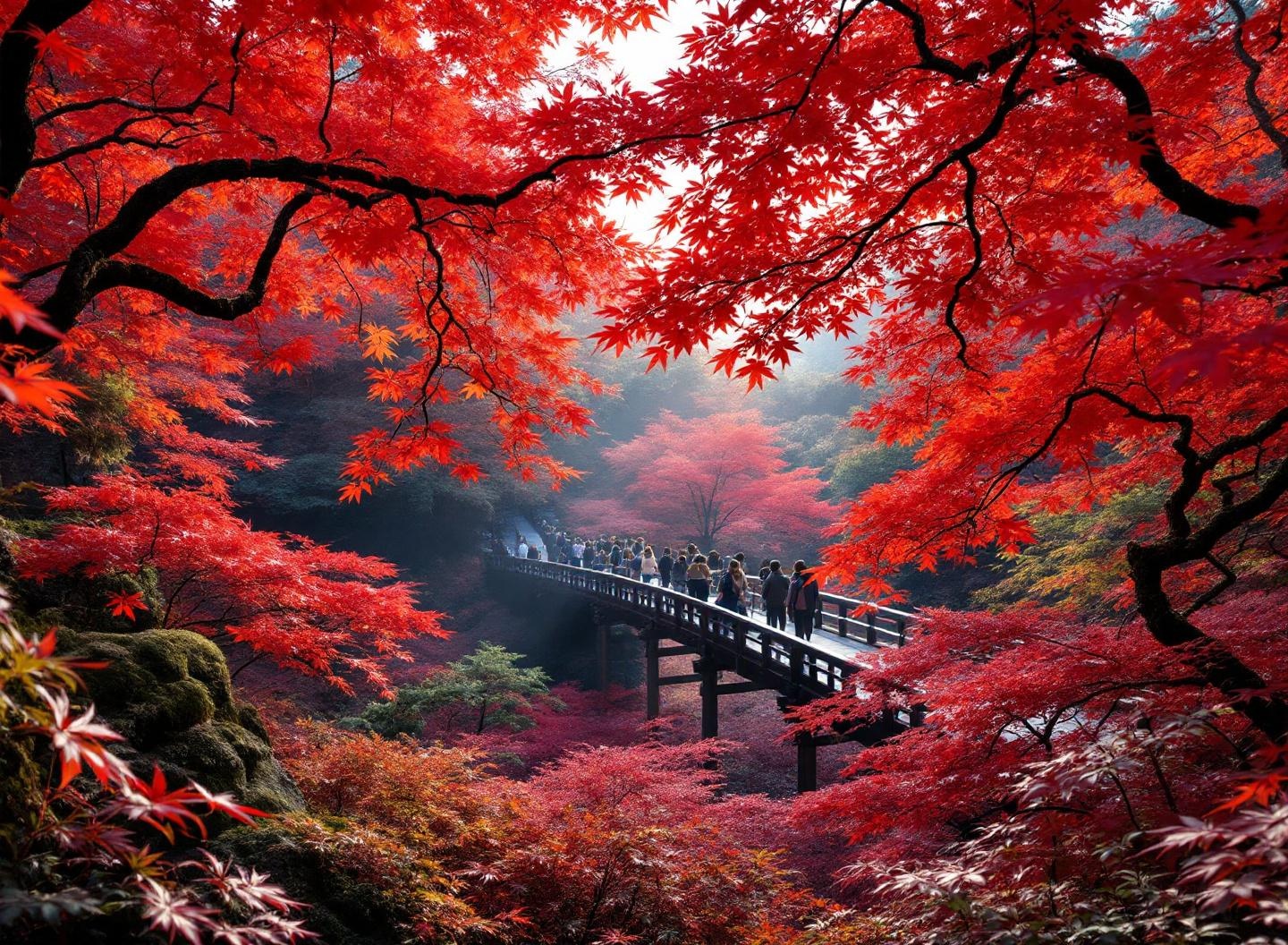
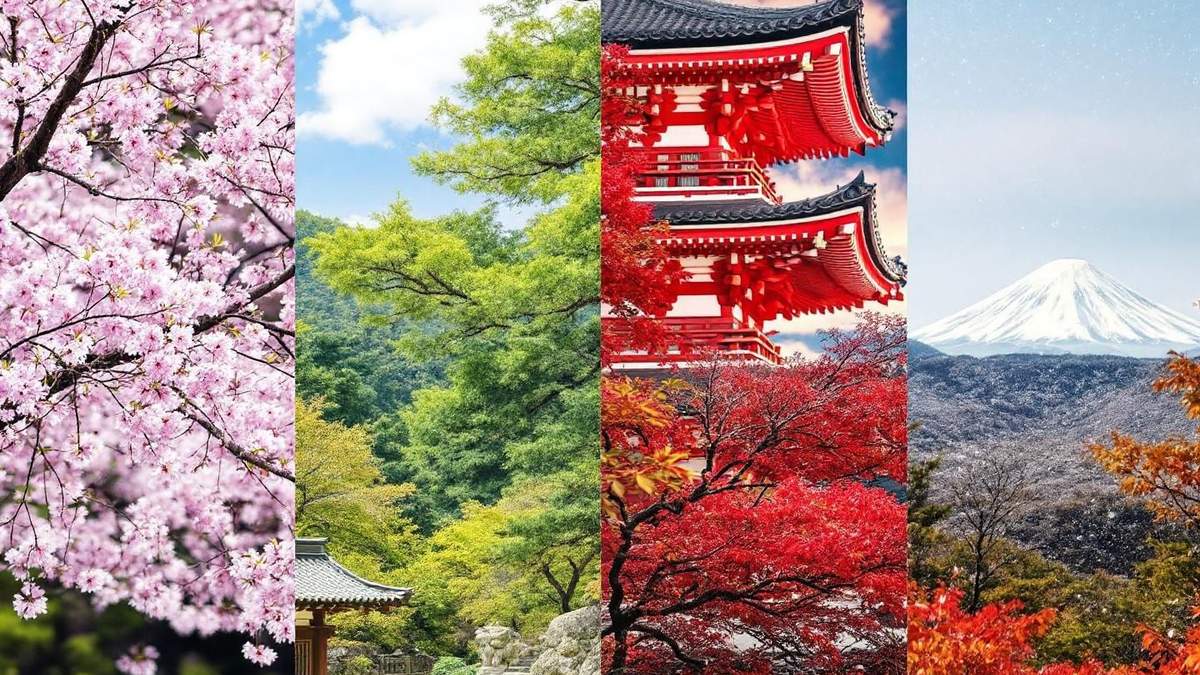
Japan’s autumn foliage — known as koyo (紅葉) — is considered by many travelers and by the Japanese themselves to be the country’s most beautiful seasonal event. Cherry blossom gets more international attention, but the koyo season runs longer, covers more of the country simultaneously, and offers a different quality of visual experience: where sakura is sudden and fragile, koyo is rich and layered, building over weeks as maples, ginkgo, zelkova, and Japanese oak move through amber, gold, and crimson.
The season begins in the mountains of Hokkaido in mid-September and moves south through the main island of Honshu across October and November, reaching the warmer coastal areas and southern Kyushu in late November and December. This long geographical progression means that Japan’s koyo is not a single event you must time exactly, but a moving front of color that gives travelers flexibility in when and where they go.
This guide covers the best foliage spots by region, the timing window for each area, practical travel advice, and photography guidance.
| At a glance | |
|---|---|
| Season window | Mid-September (Hokkaido) to early December (Kyushu/coastal) |
| Peak for most itineraries | Mid to late November (Kyoto, Tokyo, Hiroshima) |
| Cost | Free to walk most spots; temple/garden entry typically around 300-600 yen |
| Getting around | JR trains and Shinkansen cover almost every region below; a JR Pass is worth checking against your route |
| Booking ahead | Accommodation in Kyoto and Nikko for peak November weekends, not the foliage itself |
Understanding Koyo: How It Works
Autumn foliage in Japan is driven by temperature drop and reduction in daylight hours. The key threshold is a sustained drop below 8°C at night — once nighttime temperatures consistently fall below this point, chlorophyll breaks down in the leaves and the underlying pigments (yellow carotenoids and red anthocyanins) become visible. The combination of cool nights and warm, sunny days produces the most vivid color.
The species composition of Japanese forests determines the color palette: Japanese maples (momiji) produce the most intense reds and are the iconic koyo tree; ginkgo trees turn a uniform intense yellow and hold their color well; Japanese zelkova goes orange-gold; Japanese oak and beech turn brown-gold in higher-altitude areas. A landscape combining all four species at peak produces the layered effect visible in photographs from Nikko or Kyoto’s Ohara valley.
Key factors affecting timing:
- Altitude — mountain foliage peaks 2 to 3 weeks before lowland areas at the same latitude
- Temperature variation — years with hot summers followed by sharp temperature drops in September produce the most vivid colors
- Rain — sustained wet weather mutes color; clear cold weather after rain enhances it
- Urban heat island effect — city parks peak 1 to 2 weeks later than surrounding mountain areas
The Japan Meteorological Corporation issues annual koyo forecasts from mid-September onward, tracking the foliage front southward through the country. These forecasts, widely reported in Japanese media and available in English summary form, are the most reliable guide to specific-year timing.
Koyo Timing by Region
| Region | Peak Timing | Key Locations |
|---|---|---|
| Hokkaido mountains | Mid–late September | Daisetsuzan, Jozankei |
| Tohoku | Mid October | Oirase Gorge, Naruko Gorge |
| Nikko | Late October | Irohazaka, Lake Chuzenji |
| Tokyo | Late November | Shinjuku Gyoen, Rikugien, Meiji Jingu Gaien |
| Hakone | Late October–early November | Owakudani, Sengokuhara |
| Kyoto | Mid–late November | Eikan-do, Tofuku-ji, Arashiyama, Ohara |
| Nara | Mid November | Yoshino, Kasugayama |
| Hiroshima/Miyajima | Mid–late November | Momijidani Park, Daisho-in |
These are median-year peaks. In a warm year all dates shift approximately one week later; in a cool year, one week earlier.
Hokkaido — September’s First Color
Hokkaido’s foliage season begins in mid-September at the high-altitude volcanic plateaus of Daisetsuzan National Park — the largest national park in Japan and the place where autumn arrives first in the country. The alpine meadows around Mount Asahi and the Sounkyo Gorge transition from green to gold and crimson while the rest of Japan is still in late summer. This early timing makes Hokkaido an option for travelers who cannot travel in November and still want to see koyo at its peak.
Daisetsuzan (late September peak): The Sounkyo Gorge cuts through basalt cliffs with maple forests on both sides. The ropeway and chairlift from Sounkyo Onsen give aerial views of the colored canopy. At the same time, the highland plateau trails above the ropeway station pass through dwarf pine and alpine grass turning gold. From Sapporo: 2.5 hours by car or bus.
Jozankei Onsen (early to mid October peak): A hot spring resort town in the mountains 30 kilometers south of Sapporo. The Toyohira River gorge runs through the resort area with dense maple forest on both banks. Multiple free viewing spots along the riverside road. Illuminated autumn foliage walks run in the evening during peak week. Day-trip distance from Sapporo by bus (direct service from Sapporo Bus Terminal, 80 minutes).
Furano and the Tokachi Mountains (early to mid October peak): The hills east and west of Furano — known in summer for lavender fields — turn gold and russet in October. Less spectacular than Sounkyo but quieter, and combining well with a Hokkaido road trip circuit.
Tohoku — Wild Gorges and Mountain Color
Tohoku’s foliage season runs through October across mountain gorges that are among the most dramatic natural settings in Japan.
Oirase Gorge, Aomori (mid October peak): A fourteen-kilometer trail follows the Oirase River through a dense primeval forest of beech, maple, and oak. Multiple waterfalls and moss-covered boulders make this one of the most photographed autumn landscapes in Japan. The trail runs between Yakeyama and Nenokuchi at Lake Towada; most visitors walk the downstream direction from Nenokuchi to Yakeyama. Allow three to four hours for the full trail. Buses from Aomori city reach the gorge entrance; a dedicated sightseeing bus runs during the foliage season.
Naruko Gorge, Miyagi (mid to late October peak): A two-kilometer gorge cut by the Naruko River through multicolored volcanic rock walls, with maple and zelkova forest on the clifftops. The viewing bridge at the gorge entrance is the primary vantage point. Less crowded than Oirase. Accessible by train to Naruko Onsen Station.
Towada-Hachimantai National Park (mid to late October peak): The high plateau areas of Hachimantai reach peak color two weeks ahead of the lowland surrounding them. The Aspite Line road crossing the plateau passes through open grassland, forests of birch and rowan, and volcanic crater lakes — all turning gold and amber simultaneously. Access by bus from Morioka or Towada-Minami Station.
Nikko — Lacquered Shrines and Irohazaka
Nikko’s combination of Edo-period shrine architecture and dense maple forest makes it the most-visited autumn foliage destination in the Kanto region.
Irohazaka Winding Road (late October peak): The 28-hairpin-bend road climbing from lowland Nikko to the Okunikko plateau is lined with maple trees for its entire length. During peak color, the drive passes through a continuous tunnel of red and gold. Traffic is one-way: the A road climbs, the B road descends. At the summit: Lake Chuzenji, Kegon Falls (97-meter drop, accessible by elevator), and the Senjogahara marshland plateau.
Ryuzu Falls (late October peak): The cascade at the head of Lake Chuzenji is surrounded by the densest maple concentration in Nikko. A viewing platform at the base of the falls positions the colored forest behind the white cascade. This is the single most photographed autumn foliage location in the entire Kanto-Nikko area.
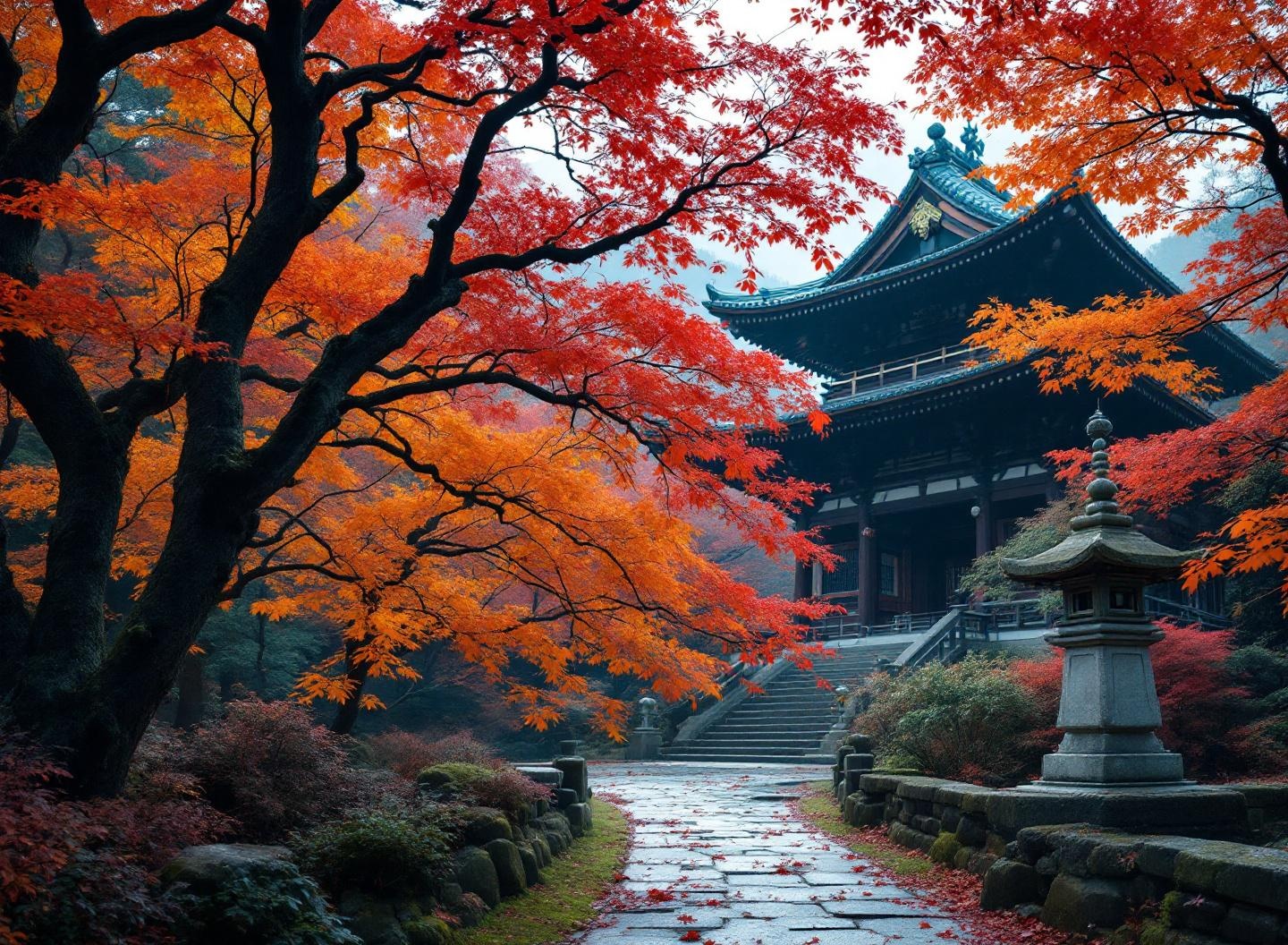
Toshogu Shrine grounds (early November peak): The shrine complex’s cedar and maple forest peaks one to two weeks after the higher altitude areas. The combination of vermilion lacquered gates, gold-leaf carvings, and surrounding maple color is extraordinary.
From Tokyo to Nikko: 2 hours by Tobu Nikko limited express from Asakusa, or 1.5 hours by JR Shinkansen to Utsunomiya then local train. All covered by JR Pass on the JR route.
Tokyo — Urban Parks at Their Best
Tokyo’s urban parks peak in late November, offering accessible foliage without leaving the city.
Shinjuku Gyoen (late November peak): The 58-hectare former imperial garden contains Japanese, French, and English garden sections with over 1,500 trees including 200 cherry trees that also turn vivid gold in autumn. The Japanese garden section offers the best concentration of maples. Entry 500 yen; open 9am–4:30pm.
Meiji Jingu Gaien Ginkgo Avenue (mid November peak): Four rows of ginkgo trees line the 300-meter avenue between Aoyama and the outer garden of Meiji Jingu. When all four rows are at simultaneous peak, the avenue becomes a tunnel of intense yellow — one of the most striking urban autumn scenes in Japan. Free to walk; best visited on a weekday morning to avoid extreme crowds.
Rikugien Garden (late November peak): A compact Edo-period strolling garden in Komagome with a central weeping maple tree that becomes one of the most photographed subjects in Tokyo during its peak. Night illuminations run during the peak foliage period; tickets for evening sessions sell out — book in advance. Entry 300 yen.
Hamarikyu Gardens (late November peak): The tidal garden near Tsukiji with sea-bream ponds and a reconstructed teahouse. Less crowded than Shinjuku Gyoen, with excellent views of autumn color against the Tokyo skyline backdrop. Entry 300 yen.
Hakone — Volcano and Valley Color
Hakone peaks in late October to early November, making it one of the earliest major foliage destinations accessible from Tokyo (90 minutes by Romancecar).
Sengokuhara pampas grass meadow combines golden pampas heads with the maple slopes of the surrounding valley — a combination unique to Hakone’s open volcanic terrain. Owakudani provides the background of volcanic steam vents against colored forest on the rim. The Hakone Ropeway, Hakone Open Air Museum, and Hakone Lake Ashi are all incorporated into the standard Hakone Loop tourist route, and all pass through or near excellent foliage.
Kyoto — The Crown Jewel of Japanese Koyo
Kyoto is the peak of the koyo calendar. The city’s density of temple gardens and maple-focused landscape design — maintained at a higher standard than almost any other location — produces foliage of extraordinary visual quality. November in Kyoto is simultaneously the most beautiful and the most crowded month in the city’s year. Planning is essential.
For complete coverage of Kyoto’s foliage spots, best temples, viewing times, and practical tips, see the dedicated Kyoto autumn foliage guide.
Key locations in brief: Eikan-do Zenrin-ji (arguably the best single foliage temple in Kyoto, peak mid November, evening illumination); Tofuku-ji (the bridge over the Tsutenkawa valley is the most photographed single view, arrive before 8am or expect massive queues); Arashiyama (bamboo grove plus Tenryu-ji garden plus riverside maple forest, peak late November); Ohara valley (Sanzen-in and Jakkoin temples in a remote mountain valley north of Kyoto, less crowded than central Kyoto, peak mid November).
Nara and Miyajima
Nara’s Yoshino (mid November peak): The mountain above Yoshino town, famous for spring cherry blossoms, turns gold and amber with persimmon, maple, and oak in autumn. The Yoshino Mikumari Shrine and Kinpusen-ji temple complex sit within the colored forest. Less visited than Kyoto’s temple gardens but equally beautiful by different metrics.
Miyajima (mid to late November peak): Momijidani Park — “Maple Valley Park” — runs the length of the stream valley from the ferry terminal toward Mount Misen. The park contains over 200 maples and is the foliage heart of the island. Combined with the floating torii gate of Itsukushima Shrine visible from the ferry approach, Miyajima offers the iconic Japan-in-autumn composition that appears on every travel poster.
Photography Tips for Koyo
Timing within the day: The softest light for maple photography is the two hours after sunrise and the 90 minutes before sunset. Midday sun in clear weather produces harsh shadows and washed-out red tones. Overcast days are excellent for foliage photography — the diffused light enhances saturation without shadow problems.
After rain: The hour after rain passes, while paths are still wet and reflective, produces the most dramatic compositions: the contrast between dark wet stone, golden fallen leaves, and red canopy is at its maximum.
Composition: Look for contrast elements — a red maple against a white gravel garden (Kyoto temple gardens are built for this), colored reflection in a pond or stream (Rikugien, Tenryu-ji), or branches framing a distant colored hillside (Irohazaka viewpoints).
Crowds: Arrive at major sites before opening time. Tofuku-ji opens at 8:30am; being there at 8:25am gives you 15 to 20 minutes on the viewing bridge before the crowd builds to its peak level, which by 10am makes photography impossible.
Accommodation Warning
Kyoto and Nikko during peak November weekends are the most heavily booked accommodation periods in Japan outside of Golden Week. Prices increase by 30–80% during peak foliage, and quality accommodation books out three to four months in advance. Book as early as possible. If you cannot get accommodation in Kyoto, base yourself in Osaka (30 minutes by shinkansen) or Nara (45 minutes by express) and day-trip into the city.
Hakone accommodation during late October and early November weekends books at similar speed. Consider midweek travel — the foliage does not take weekends off, and the crowds are dramatically smaller Monday through Thursday.
Building a Foliage Trip Around the Rest of Japan
Because koyo moves south over roughly ten weeks, it is one of the easier seasonal events to build a multi-region trip around, rather than a single narrow window like cherry blossom. A common pattern: start in Tokyo in mid-to-late November for the urban parks and Nikko day trip, move to Kyoto for the second half of November when the temple gardens peak, and use Osaka as a cheaper accommodation base if Kyoto is full — see Best Time to Visit Japan for how koyo compares to cherry blossom and Golden Week on crowd levels and pricing. A standard 7-day Japan itinerary built around Tokyo and Kyoto naturally lines up with peak koyo in most years without any special routing.
Travelers arriving earlier in the season (late September to mid-October) should weight the trip toward Hokkaido or Tohoku instead, since Tokyo and Kyoto will still be green. For a broader look at how autumn compares to Japan’s other seasons for weather, crowds, and what else is happening, see Japan in Autumn. If Mount Fuji is on the itinerary, note that the peak foliage window around the Mount Fuji and Kawaguchiko area tends to run late October to early November, overlapping with Hakone rather than Kyoto.
Getting between regions during peak koyo weekends means booking reserved Shinkansen seats in advance rather than relying on unreserved cars, which fill up on the Tokyo-Kyoto and Kyoto-Hiroshima routes during the last two weeks of November.
Frequently Asked Questions
Is autumn foliage or cherry blossom better in Japan? Neither is objectively better; they are different experiences. Cherry blossom is a shorter, more unpredictable peak (often under two weeks nationally) with a softer, more delicate look. Koyo runs roughly ten weeks nationally and offers a richer, more saturated palette with more room to plan around a specific peak. Koyo is also generally less crowded than the very top cherry blossom weekend, though Kyoto in peak November still books out.
Do I need a JR Pass for a foliage trip? It depends on your route. If you are covering multiple regions by Shinkansen (Tokyo to Kyoto to Hiroshima, for example) within the pass’s validity window, it can pay for itself; for a single-region trip based in and around Kyoto or Tokyo, local trains and subway passes are usually cheaper. Check current pricing against your specific itinerary on the JR Pass guide before buying, since pass pricing changed significantly in 2023.
More tours on Viator
Top-rated experiences with verified reviews, bookable on Viator (a Tripadvisor company).
 Viator
Peaceful Hiroshima & Miyajima UNESCO 1 Day Bus Tour
FromUSD 124Check availability → Viator
World Heritage Shirakawa-go and Experience Tours from Kanazawa
FromUSD 118Check availability → Viator
World Heritage Kyoto & Nara Uji Authentic Matcha Experience
FromUSD 124Check availability → Viator
Nara Half Day Trip Walking Tour (Private Option Available)
FromUSD 101Check availability → Viator
Hiroshima Peace (Heiwa) Walking Tour at World Heritage Sites
FromUSD 91Check availability → Viator