Kamakura Day Trip Guide
Last updated: August 2026
Why Kamakura Is Tokyo’s Best Day Trip
Kamakura sits in a natural bowl formed by wooded hills on three sides and Sagami Bay on the fourth — a geography that made it easily defensible and shaped its entire history. For roughly 150 years from 1185, this mid-sized coastal town was the seat of Japan’s first military government (shogunate), effectively making it the political capital of the country. The great temples, shrines, and the 13-meter bronze Buddha it built during that period have survived remarkably well.
Today Kamakura is a compact city of around 175,000, still enclosed by those forested hills and still defined by the medieval heritage that makes it worth the 60-minute train journey from Tokyo. It is busiest on weekends and during hydrangea season (mid-June) and autumn foliage (November), when the temples become genuinely crowded. Weekday visits in spring and autumn offer the best balance of pleasant weather and manageable crowds.
| At a glance | |
|---|---|
| Where | Kamakura, Kanagawa Prefecture, around 50 km south of Tokyo |
| Cost | Mostly free to walk; individual temples run around 300-500 yen each, so a full circuit of 4-5 sites is roughly 1,500-2,500 yen |
| Time needed | A full day (around 8-9 hours door to door from central Tokyo) |
| Getting there | JR Yokosuka Line direct from Tokyo Station or Shinagawa, around 60 minutes |
| Best time | Weekday mornings, spring or autumn; avoid weekends in June (hydrangeas) and November (foliage) |
The Great Buddha (Kotoku-in Daibutsu)
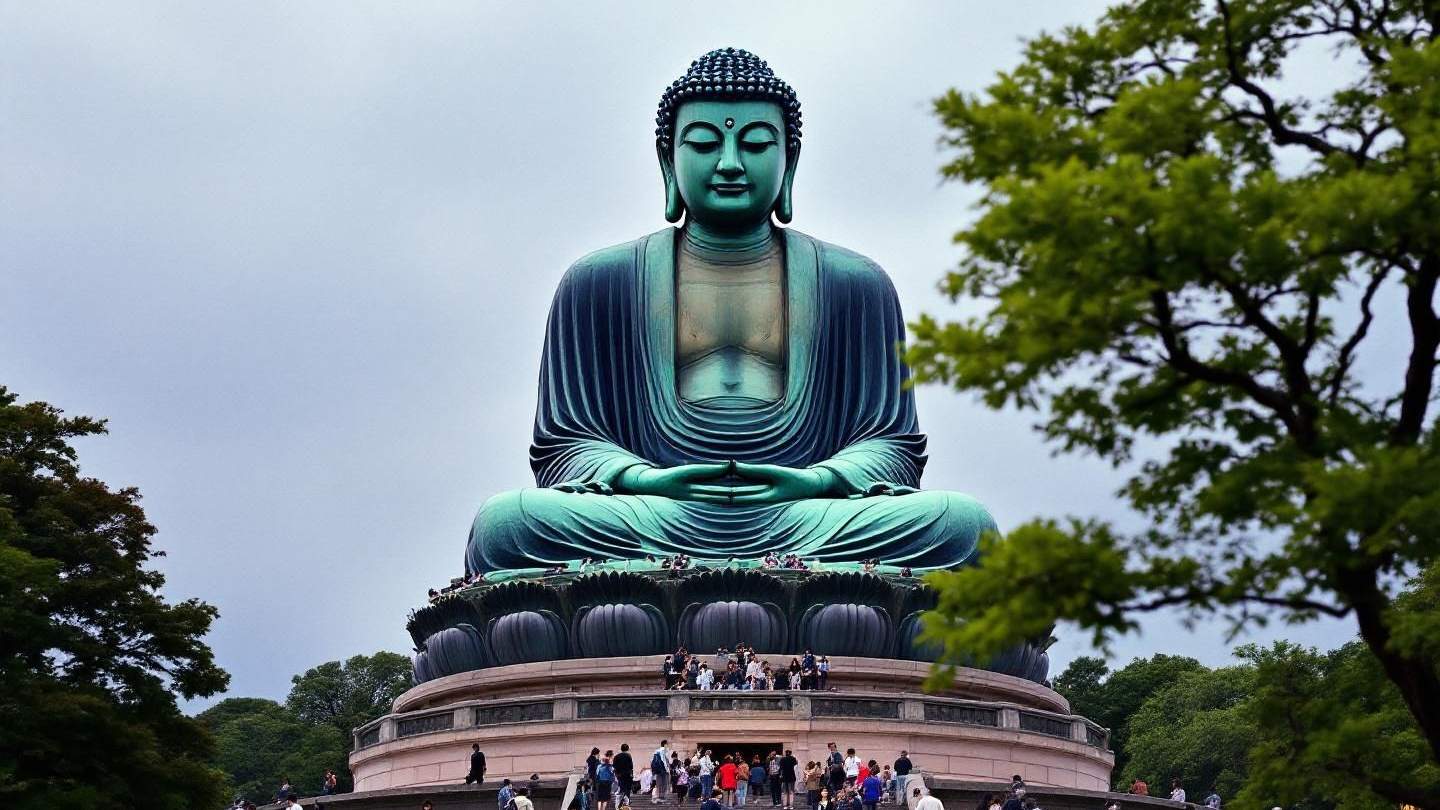
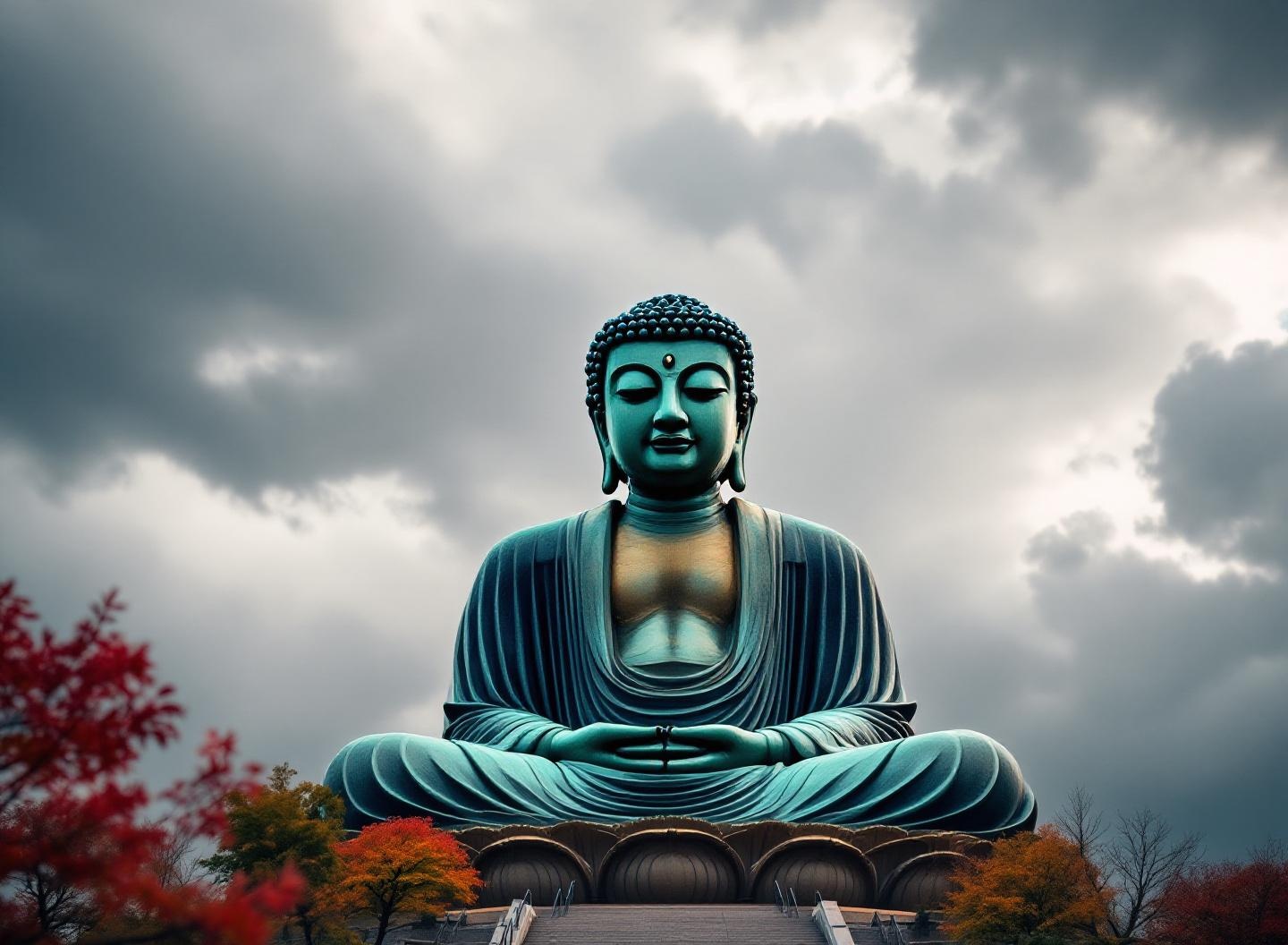
The Great Buddha at Kotoku-in is Kamakura’s single most iconic image — a 13.35-meter bronze figure of Amida Buddha seated in an open field, visible above the treeline as you approach. Cast in 1252, it originally stood inside a large wooden hall; the hall was destroyed by storms and tsunamis in the 14th and 15th centuries, leaving the statue exposed to the elements for over 500 years.
The bronze has weathered to a grey-green patina that suits the figure’s serene expression and the wooded hill behind it better than any restoration could improve. Up close, the scale becomes genuinely impressive — the face alone is 2.35 meters tall, the ears 1.9 meters. Visitors can enter the hollow interior through hatches in the torso for an additional 50 yen (the main admission is 300 yen).
The Kotoku-in grounds are simple and uncluttered — a few smaller shrine buildings, the statue, and the hill. Allow 30–45 minutes. Open daily 8 am–5:30 pm (5 pm in winter). Access: Hase Station on the Enoden line, 10 minutes walk.
Hase-dera
Hase-dera (formally Hasedera) is one of the most visually diverse temples in the Kamakura area, climbing a hillside in a series of terraced gardens with excellent bay views from the upper observation deck. The main hall houses a striking 9.18-meter gilded wooden figure of Eleven-Headed Kannon — one of the largest wooden statues in Japan — said to have been carved in the 8th century from a single camphor tree.
The garden area beneath the main hall is particularly celebrated during hydrangea season (mid-June), when over 40 varieties bloom in dense masses along the terraced paths. The temple also contains a small cave system (Benzaiten cave) you can walk through, and a lower section with an unusual array of small Jizo statues placed by families.
Admission: 400 yen. Open daily 8 am–5:30 pm (5 pm in winter, extended to 6:30 pm in summer). A 5-minute walk from Hase Station on the Enoden line.
Tsurugaoka Hachimangu
Tsurugaoka Hachimangu is Kamakura’s most important shrine and the symbolic heart of the city. It was established by Minamoto no Yorimoto in 1063 (relocated to its current site in 1180) as the guardian shrine of the Kamakura shogunate. A raised stone path (the Dankazura, lined with cherry trees) runs from the main torii gate all the way to the ocean, bisecting the city on its axis.
The main compound climbs a central hill in three tiers, with the upper sanctuary overlooking a large pond garden. The approach and grounds are free; the inner treasury museum charges admission separately. The shrine hosts major festivals throughout the year, including the Reitaisai autumn festival in September with traditional horseback archery (yabusame).
No admission for the grounds. Open daily from sunrise to sunset. A 10-minute walk from Kamakura Station (main exit).
Hokoku-ji (The Bamboo Temple)
Hokoku-ji is a Zen temple in the eastern part of Kamakura, most famous for its bamboo grove — a stand of roughly 2,000 madake bamboo that forms a dense canopy over a raked-gravel path. Unlike Kyoto’s Arashiyama bamboo grove, Hokoku-ji’s grove is on a compact and intimate scale, making it possible to sit quietly and absorb the sounds of bamboo in wind without the crowds and rush of larger sites.
The tea house at the edge of the grove serves matcha (600 yen including entry to the grove area) in a setting that feels genuinely removed from the surrounding city. The Zen garden and karesansui (dry landscape garden) near the main hall are also worth time.
Admission to temple grounds: 300 yen. Grove entry (with matcha): 600 yen. Open daily 9 am–4 pm (last entry 3:30 pm). Access: Takaoka bus stop from Kamakura Station (Bus 23 or 24, about 10 minutes, 230 yen), then 5 minutes walk.
Zeniarai Benten
Zeniarai Benten Ugafuku Shrine sits in a small valley at the end of a narrow tunnel carved through a rock face — the entrance is easy to miss but worth finding. The shrine is dedicated to Benzaiten, the goddess of fortune, and built around a natural spring where visitors ritually wash money (coins and banknotes both) in bamboo baskets, with the belief that any money washed here will multiply. The custom is earnest among Japanese visitors and participatory without being forced.
The cave area is fragrant with incense from hundreds of small candles left by previous visitors. The steep hillside setting, tunnel entrance, and cave atmosphere make this one of the more unusual shrines in Kamakura.
Free admission. Open daily 8 am–4:30 pm. About 20 minutes on foot from Kamakura Station (follow signs toward Genjiyama Park), or combined with a hike from the Daibutsu trail.
Engaku-ji
Engaku-ji is one of the most important Zen temples in eastern Japan, established in 1282 by the regent Hojo Tokimune to memorialize those who died in the two Mongol invasions of Japan (1274 and 1281). It is the second of Kamakura’s Five Great Zen Temples and contains one of the largest temple compounds in the city, with multiple sub-temples, gardens, and a nationally designated cultural property (the Butsuden hall).
The grounds are extensive and peaceful, particularly in the early morning before tour groups arrive. The shariden (relic hall, containing a tooth of the Buddha) is opened to the public only twice a year, but the main buildings and gardens are always accessible.
Admission: 500 yen. Open daily 8 am–4:30 pm (4 pm in winter). Directly adjacent to Kita-Kamakura Station on the JR Yokosuka Line — you can see the stone stairway from the station platform.
Hiking Trails
Kamakura’s encircling hills contain a network of well-maintained hiking trails connecting the major temples and offering views over the city and coast. These are short, accessible hikes on clear paths — not technical terrain — with the main routes taking 60–120 minutes.
The Daibutsu (Great Buddha) Hiking Trail runs from Kita-Kamakura through the wooded hills to the Great Buddha at Kotoku-in, passing through several small shrine clearings. Total distance: about 3 km, approximately 60–75 minutes at a relaxed pace. Start from Kita-Kamakura Station; follow signs. This is the most scenic way to approach the Great Buddha if you have time.
The Ten’en Hiking Trail connects Engaku-ji (Kita-Kamakura) to Zuisen-ji temple in eastern Kamakura, running along the ridgeline that forms the eastern boundary of the city. The trail is roughly 6 km and takes 2–3 hours to complete fully, with good views over Kamakura’s temple rooftops. Sections can be done individually if you want a shorter hike.
Wear shoes with grip — the forest paths can be muddy after rain, and sections are uneven. The trails are well signposted in Japanese and English.
Komachi-dori Shopping Street
Komachi-dori runs from Kamakura Station to the first torii gate of Tsurugaoka Hachimangu, a 10-minute walk lined on both sides with small shops and restaurants. This is Kamakura’s primary souvenir and snack street, and unlike many similar streets in Japanese tourist towns it retains a mix of genuine local businesses alongside tourist-oriented shops.
The specialties worth trying: tori soba (pigeon broth soba, a Kamakura regional specialty), shirasu don (baby whitebait rice bowls, caught fresh from Sagami Bay, available at several restaurants for 1,200–1,800 yen), and warabi mochi (a softer, more gelatinous version of mochi dusted with kinako roasted soybean powder, 400–600 yen). Bakeries here are notably good by Japanese tourist district standards.
Enoshima Island
Enoshima is a small island (about 4 km in circumference) connected to the mainland by a 600-meter causeway, reachable from Kamakura by the Enoden line to Enoshima Station (220 yen, 25 minutes), making it a natural extension of a Kamakura day trip.
The island’s steep central spine is climbed via a covered shopping street (the Benzaiten Nakamise-dori) selling shirasu snacks, sea glass accessories, and seafood. At the top: Enoshima Shrine (free grounds, inner areas 200 yen), cave systems carved into the sea cliffs (Iwaya Caves, 500 yen), and the Enoshima Sea Candle observation tower (500 yen, excellent bay views toward Mount Fuji on clear days).
The shirasu (whitebait) served fresh on the island’s restaurant strip is among the best in the region — raw shirasu donburi is available seasonally (it cannot be served from January 12 to March 11 when fishing is suspended). Year-round, cooked shirasu versions are available.
Allow 2–3 hours for the island on top of a Kamakura visit.
Best Time to Visit Kamakura
| Season | Weather | Crowds | Notes |
|---|---|---|---|
| Spring (Mar-May) | Mild, 10-20°C | High in late March-April | Cherry blossoms along the Dankazura approach to Tsurugaoka Hachimangu |
| Summer (Jun-Aug) | Hot and humid, 22-32°C | Very high in mid-June | Hydrangea season at Hase-dera and Meigetsu-in draws dense weekend crowds |
| Autumn (Sep-Nov) | Cooling, 14-24°C | Very high in November | Foliage at Engaku-ji and Kencho-ji; book weekday visits where possible |
| Winter (Dec-Feb) | Cold but clear, 4-12°C | Low | Quiet temples and the best hiking conditions on the Daibutsu and Ten’en trails |
For a broader look at seasonal planning across the country, see Japan in summer and Japan’s best time to visit.
Kamakura’s Five Great Zen Temples
Kamakura formalized a ranking of its Zen institutions in the 14th century modeled on a Chinese system — the Kamakura Gozan (Five Mountains). Engaku-ji is ranked second and Kencho-ji first; both remain active training temples rather than museum pieces, which is part of why their morning atmosphere (before the day-trip crowds arrive around 10 am) feels genuinely different from a typical sightseeing stop. If Zen architecture and quiet gardens interest you more than the Great Buddha crowds, building a morning around Kita-Kamakura Station rather than Kamakura Station itself is the better plan — it also connects directly to the things to do in Kamakura guide’s temple-walk itinerary.
Travelers building a longer Kanto itinerary often pair Kamakura with a JR Pass calculation; since the October 2023 price rise, a single Tokyo-Kamakura-Tokyo return rarely justifies a multi-day pass on its own — check the maths in the JR Pass guide before buying. For getting around on the day, an IC card (see the Suica and Pasmo guide) covers the JR Yokosuka Line, the Enoden tram, and the local buses without any separate tickets.
Getting There from Tokyo
JR Yokosuka Line: Direct from Tokyo Station or Shinagawa to Kamakura Station. Journey time: approximately 60 minutes from Tokyo, 50 minutes from Shinagawa. Cost: 950 yen from Tokyo Station. Trains run every 15–20 minutes throughout the day. This is the standard and most convenient option.
Odakyu + Enoden: If you are starting from Shinjuku and plan to visit Enoshima first, the Odakyu line to Fujisawa (800 yen, 65 minutes) followed by the Enoden to Kamakura (310 yen, 30 minutes) is a sensible alternative that threads the main sights in a linear route.
The Kamakura-Enoshima Pass (1,520 yen from Shinjuku, available at Odakyu ticket offices) covers the Odakyu journey from Shinjuku to Fujisawa plus unlimited Enoden rides for the day — good value if you plan to use the Enoden multiple times.
Mt. Fuji, Kamakura and Big Buddha Day Trip
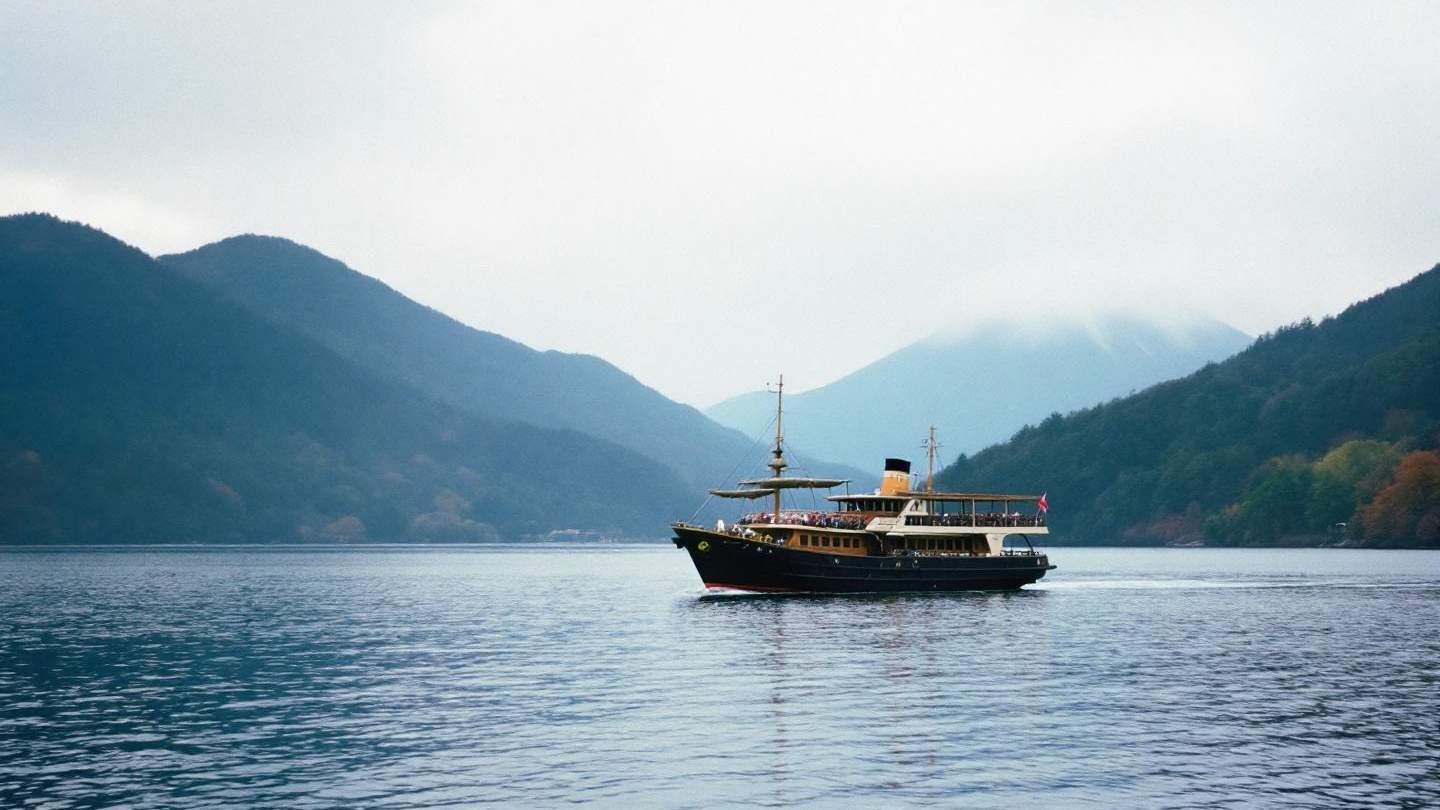
Combine Kamakura's Great Buddha with Mt. Fuji viewpoints and a Lake Ashi cruise — three iconic experiences in one day from Tokyo.
Practical Tips
Best route order: Start at Kita-Kamakura Station (arrive early — before 9 am on weekends). Walk Engaku-ji, then hike the Daibutsu trail to the Great Buddha. Take the Enoden from Hase to Kamakura Station for lunch on Komachi-dori. Afternoon: Tsurugaoka Hachimangu, then either Hokoku-ji (east) or Enoshima (southwest by Enoden).
Crowds: Weekends in June (hydrangeas) and November (foliage) are peak periods. Arrive before 9 am and the morning temples are peaceful. By 11 am on a spring weekend, the Great Buddha and Hase-dera are operating at capacity.
The Enoden: The small electric tram that connects Kamakura and Enoshima via the coastal route is scenic and useful. Its single-track line means trains run once every 12 minutes in each direction. In peak season, queues to board at popular stations (particularly Kamakura and Hase) can exceed 30 minutes — factor this into your timing or use the parallel bus services.
What to eat: Shirasu is the regional specialty — fresh, briny whitebait served over rice, on toast, or as pizza toppings throughout Kamakura’s restaurants. Shirasu donburi at lunch runs 1,200–1,800 yen and is the thing to order here that you cannot get as well anywhere else.
Frequently Asked Questions
Is Kamakura worth visiting as a day trip from Tokyo? Yes — it’s widely considered the best single day trip from Tokyo, combining the Great Buddha, multiple historic temples, coastal scenery, and a short scenic tram ride within a compact, walkable area roughly an hour from central Tokyo.
How many days do you need in Kamakura? A single full day (around 8-9 hours including travel) covers the main highlights comfortably. Two days allow a more relaxed pace with the Kita-Kamakura temple walk, Enoshima, and time for hiking without rushing.
More tours on Viator
Top-rated experiences with verified reviews, bookable on Viator (a Tripadvisor company).
 Viator
Peaceful Hiroshima & Miyajima UNESCO 1 Day Bus Tour
FromUSD 124Check availability → Viator
World Heritage Shirakawa-go and Experience Tours from Kanazawa
FromUSD 118Check availability → Viator
World Heritage Kyoto & Nara Uji Authentic Matcha Experience
FromUSD 124Check availability → Viator
Nara Half Day Trip Walking Tour (Private Option Available)
FromUSD 101Check availability → Viator
Hiroshima Peace (Heiwa) Walking Tour at World Heritage Sites
FromUSD 91Check availability → Viator