Best Cultural Experiences in Japan
Last updated: August 2026
Japan is one of the most culturally layered countries in the world, and the experiences most worth having here are the ones that give you access to that depth — not the performance of culture for tourists, but the real substance of practices that have been refined over centuries and remain genuinely alive in daily Japanese life. A tea ceremony performed by a practitioner who has spent years in training is a different experience from a twenty-minute tourist demonstration. Watching sumo at a morning practice session is different from watching it at a televised tournament. The quality of a cultural experience in Japan depends almost entirely on how close you get to the real thing.
This guide covers ten cultural experiences that consistently deliver genuine engagement with Japanese life and tradition. For each, you will find practical information on what to expect, where to do it, how much it costs, and how to book correctly. These are not the ten most famous things to do in Japan — they are the ten experiences that tend to produce the most lasting impression on visitors who care about understanding a place rather than completing a checklist.
At a Glance
| Where | Kyoto has the deepest concentration (tea ceremony, kimono, geiko); Tokyo, Osaka, and Koyasan cover the rest |
| Cost | From free (garden entry, geisha-district walks) to around 40,000–80,000 yen for a legitimate ozashiki evening |
| Time needed | 45 minutes to 2 hours per experience; a temple stay is overnight |
| Getting there | All ten experiences are reachable by train from a major city center or a short Shinkansen/local-train combination |
| Best time | Year-round; book weeks to months ahead for tea ceremonies, temple stays, and geiko evenings in peak seasons |
1. Tea Ceremony
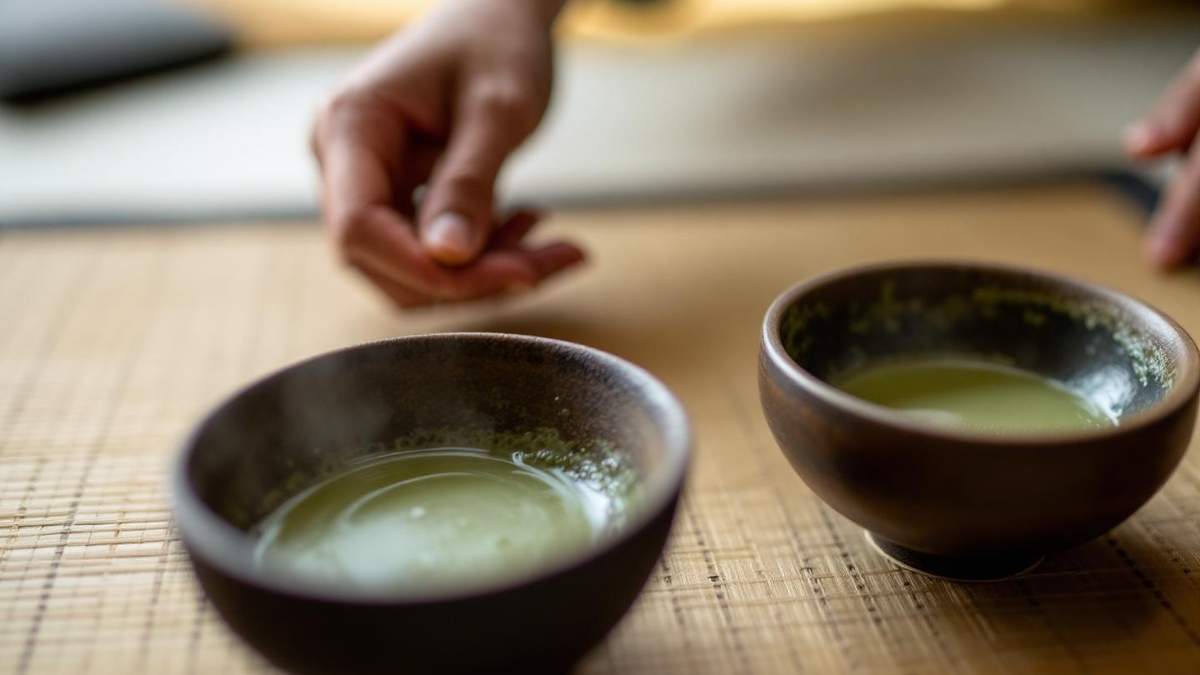
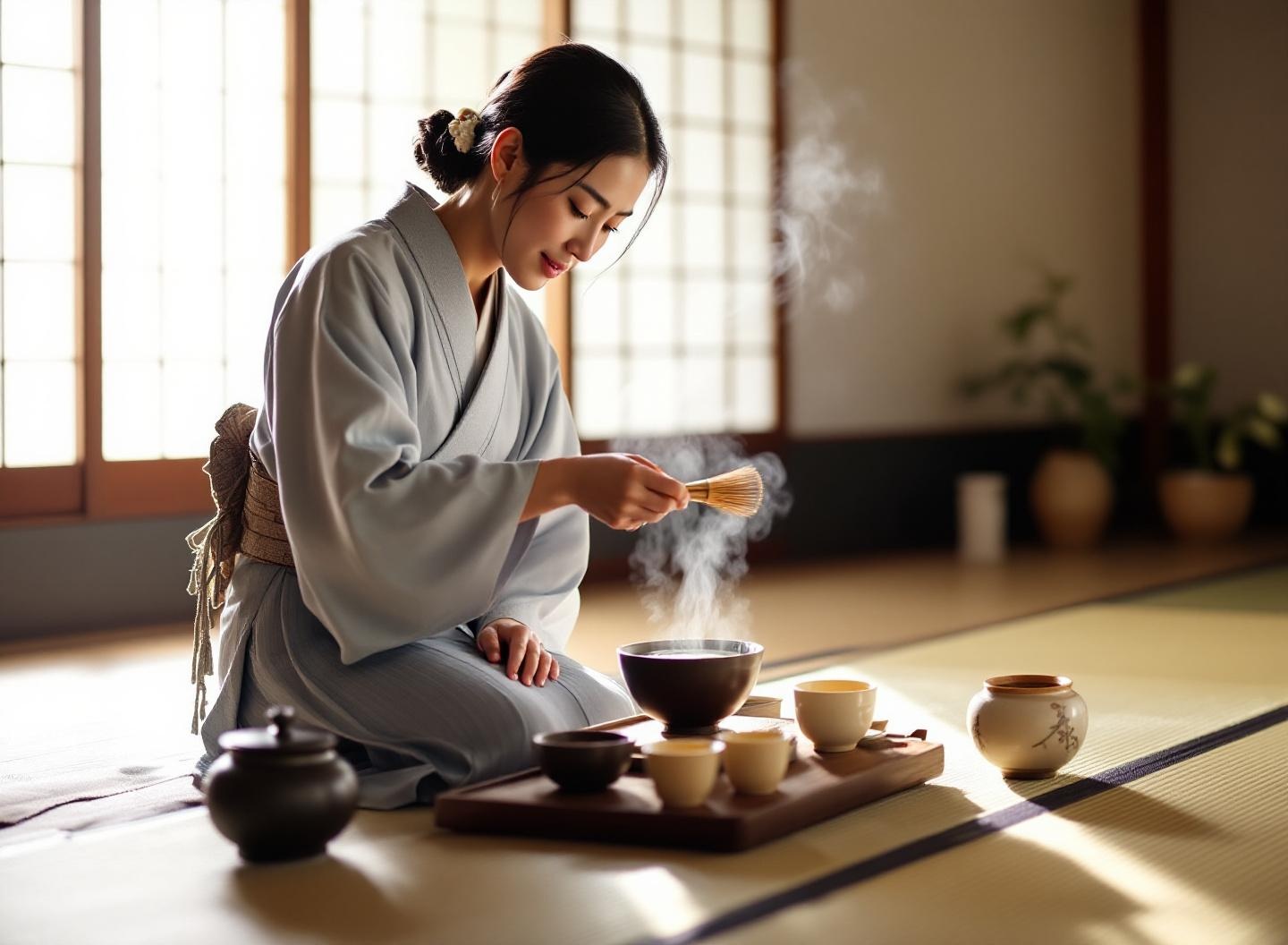
The Japanese tea ceremony — chado, or chanoyu — is not primarily a method for preparing a beverage. It is a discipline of attention, rooted in Zen Buddhism and developed over five centuries into a codified practice that uses the act of making and receiving matcha as a vehicle for presence, humility, and aesthetic refinement. Every movement in the ceremony — the way the bowl is placed, the angle at which it is offered, the position of the chakin cloth — has meaning that accumulates through practice rather than explanation.
What to expect. A visitor-facing tea ceremony typically runs 45 minutes to one hour. You will observe the preparation of matcha by a host trained in one of the traditional tea schools (Urasenke and Omotesenke are the two most widely practiced), receive a small seasonal sweet to eat before the matcha, and drink from the tea bowl following the etiquette instructions provided. The host or an assistant will usually explain each element of the procedure in English. You will not learn to perform the ceremony yourself in a single session — what you leave with is a sensory understanding of what the ceremony is and an appreciation for the level of practice it represents.
Where to do it. Kyoto is the most natural location for a tea ceremony experience, given the city’s historical relationship with both chado and the architectural spaces designed for it. The Gion district has a concentration of tea rooms that maintain traditional interiors and employ formally trained practitioners. Nishiki Market area and the streets around Ninenzaka also have reputable tea ceremony experiences within walking distance of major sightseeing areas. Tokyo has quality options in Hamarikyu Garden and in several traditional machiya houses in Yanaka and Nezu.
Cost. Standard tea ceremony experiences: 1,500 to 4,000 yen per person. Private or semi-private sessions in traditional tea rooms: 4,000 to 8,000 yen per person. Classes that include instruction on basic tea ceremony procedure rather than observation only: 5,000 to 10,000 yen per person.
Traditional Tea Ceremony in Kyoto's Gion District
A 45-minute authentic tea ceremony experience. Learn to whisk matcha and taste traditional Japanese sweets in a historic setting.
2. Cooking Classes
Japanese cooking rewards engagement at a level most visitors do not expect. The cuisine that appears on restaurant menus is the surface of a food culture built on precise technique, seasonal ingredient selection, and a philosophy of restraint that eliminates anything unnecessary from the plate. A cooking class gives you access to the process — the broth construction, the knife work, the sushi rice seasoning — that transforms a meal from something you consume into something you understand.
Japan’s cooking class landscape is rich across all its major cities. Tokyo offers sushi making, ramen from scratch, tempura workshops, and sake pairing experiences. Osaka specializes in takoyaki, okonomiyaki, and home cooking in the kuidaore tradition. Kyoto adds kaiseki-adjacent cooking, tofu preparation, and miso-making experiences rooted in the city’s temple cuisine tradition. Most classes run two to four hours, cost between 7,000 and 15,000 yen per person, and are conducted in English.
What to look for. The best cooking classes are those that give you genuine skills to take home — a sushi rice technique you can reproduce in your kitchen, a dashi-making method you understand rather than just follow, an okonomiyaki batter ratio that works. Classes oriented toward entertainment over instruction produce a fun afternoon but leave less residue. Read reviews for mentions of what participants actually learned rather than how much fun they had.
Private versus group. Private cooking classes — for one to four people — cost more per session but deliver substantially more individual instruction and typically more flexibility on timing and menu. For couples or families, the per-person cost difference between a private class and a group class is often modest, and the experience is noticeably more personal.
Tsukiji Market Tour and Sushi Making
Explore Tsukiji Market with a guide, then learn sushi-making at a top cooking school.
Sushi Cooking Class with Sake Tasting
Shop at a local market, learn sushi-making, and taste sake paired with your creations.
3. Kimono Rental
Walking through Kyoto’s Higashiyama district, the stone-paved lanes of Ninenzaka and Sannenzaka, or the torii gates of Fushimi Inari while wearing a kimono is one of the more immediate ways to feel connected to the architecture and landscape around you. A kimono is not a costume — it is a garment with centuries of continuous use that shapes how you move, how you are perceived, and how you experience a place that was built for it.
The rental experience. Kimono rental shops are concentrated in Kyoto’s Gion and Higashiyama districts, near Asakusa in Tokyo, and in the historic districts of other cities. Most shops offer a full service: you select a kimono from their stock (organized by color, pattern, and season), dressed by staff who handle the complex layering and obi (sash) tying, and then leave the shop ready to walk. The process takes approximately 30 to 45 minutes. Hair styling, which completes the look, is usually available for an additional charge of 1,000 to 2,000 yen.
What to wear and bring. Wear form-fitting underclothing that covers your shoulders and arms — the kimono’s collar will expose the back of your neck, and your under-layer should not be visible at the cuffs. Flat sandals are provided with rental; avoid wearing bulky socks. Leave large bags at your hotel if possible, as kimono shops typically provide a small drawstring bag sufficient for a phone and wallet.
Cost. Standard kimono rental for the day: approximately 3,000 to 6,000 yen per person, including dressing assistance and a simple coordination service. Premium kimono (silk rather than synthetic) with elevated styling: 7,000 to 12,000 yen. Most rental shops operate on a half-day to full-day basis and require return by 17:00 or 18:00. Some shops offer overnight rental for guests staying in Kyoto’s traditional guesthouses.
Seasonal notes. Kimono selection varies by season — lighter fabrics for summer, padded layers for winter. The most photographically rewarding contexts are the cherry blossom period (late March to mid-April) and autumn foliage (mid-November), when the traditional garment and the seasonal landscape produce a visual combination that is hard to improve on. These peak seasons also mean the rental shops are busiest, so booking ahead is strongly advisable.
4. Sumo Wrestling
Sumo is Japan’s national sport, and watching it at close quarters — at a tournament, at a morning practice session, or on a stable visit — is one of the genuinely singular cultural experiences available anywhere in the country. The sport has its roots in Shinto ritual and its current form in Edo-period popular entertainment, and both of those origins are still present in the way it is conducted: the ring purification rituals, the salt throwing, the referee’s formal court costume, and the wrestlers’ topknots are not theatrical additions but continuations of practice.
Grand tournaments. Six grand tournaments (basho) are held annually in Japan, each running fifteen days. Three are in Tokyo (January, May, September) at Ryogoku Kokugikan; one each in Osaka (March), Nagoya (July), and Fukuoka (November). Tickets for lower sections of the arena start at approximately 3,800 yen; box seating closer to the ring (which seats four and is shared with strangers if you buy individual tickets) runs significantly higher. Lower-ranked wrestlers fight in the morning, with the highest-ranked bouts late afternoon to evening. Arriving at midday allows you to see several hours of wrestling across multiple divisions without the premium cost of prime evening seating.
Morning practice visits. Watching sumo wrestlers train at a stable (heya) in the early morning is the more intimate alternative to tournament attendance. Wrestlers practice from approximately 06:00 to 11:00, and some stables in Tokyo’s Ryogoku district accept small groups of visitors for observation. The practice sessions involve full-contact sparring, drills, and exercises — the wrestling is as intense as tournament bouts, often more so because the wrestlers are not managing crowd performance. Standing within two meters of a 150-kilogram wrestler executing a throw delivers a physical impact that no screen broadcast can reproduce.
Sumo Morning Training Visit in Tokyo
Watch real sumo wrestlers train at a stable in Ryogoku. Get up close to this ancient sport with an expert guide.
5. Onsen (Hot Springs)
Japan has approximately 27,000 onsen (hot spring) facilities across the country, fed by one of the world’s most geologically active landscapes. Bathing in mineral-rich thermal water that has been rising from volcanic rock formations is not a spa treatment — it is a daily practice for millions of Japanese people and the central activity of ryokan (traditional inn) culture. The ritual of onsen bathing, when approached correctly, is one of the most restorative experiences available to a traveler anywhere.
The basic protocol. Onsen baths are entered without swimwear. You wash your entire body thoroughly at the individual shower stations along the wall before entering the communal bath — this is not optional, and failure to wash first is the principal source of complaint by Japanese bathers about foreign visitors. Enter the hot water slowly and stay for five to twenty minutes depending on water temperature and how your body responds. Most traditional onsen have multiple pools at different temperatures; move between them gradually. Tattoos are prohibited at the majority of onsen in Japan; tattooed visitors should look for private bath options (kashikiri buro), which are increasingly available at ryokan.
Where to go. The onsen experiences worth prioritizing involve outdoor baths (rotenburo) in natural settings: the cedar-forested mountains of Nikko, the volcanic landscapes of Beppu or Kirishima in Kyushu, the bamboo-surrounded onsen of Hakone near Mount Fuji, the snow-country ryokan of Niigata or Akita prefectures in winter. Urban sento (public bathhouses) in Tokyo and Osaka offer a more accessible introduction to the bathing culture without the ryokan commitment.
Cost. Public onsen entry: 500 to 1,500 yen per person. Day use of ryokan onsen without overnight stay: 1,500 to 4,000 yen. Full overnight ryokan package with meals and onsen: 15,000 to 40,000 yen per person per night depending on the property and season.
6. Sake Tasting
Japanese sake has been produced for over two thousand years and is, in its finest forms, one of the most complex fermented beverages made anywhere in the world. The categories — junmai, ginjo, daiginjo, nigori — reflect differences in rice polishing ratio and fermentation approach that produce measurably different flavor profiles. A structured sake tasting teaches you to distinguish these profiles, understand what temperature does to a sake’s expression, and appreciate why certain sake styles pair with specific foods.
Where to taste. Tokyo’s Ginza district has a cluster of sake bars and specialist retail shops that conduct walk-in tastings — the Sake no Sakamai and Hasegawa Saketen chain in Tokyo’s GranSta concourse are well-regarded starting points. Kyoto, as the producer of the famous Fushimi sake district, offers brewery visits in the southern part of the city. Hiroshima and Nada (the Kobe suburb) are two of Japan’s major sake production areas with accessible tasting facilities. Many major hotel concierges can direct you to sake tasting events that coincide with your visit.
What a tasting covers. A structured tasting of three to five sakes, led by a sommelier or brewery guide, will teach you the fundamental vocabulary (dry versus sweet, light versus full-bodied, fruity versus earthy) and explain how to read a sake label. The most instructive tastings include one example from each major category alongside a food pairing — typically a light snack of dried fish, tofu, or pickled vegetables matched to the sake’s flavor profile.
Cost. Sake tasting experiences: 2,000 to 5,000 yen per person for three to five pours with food. Brewery tours with tasting: 1,500 to 4,000 yen per person. Premium sake bars with extended guided tasting: 5,000 to 10,000 yen per person.
7. Calligraphy and Pottery Workshops
Japan’s traditional crafts maintain an unusually direct connection between contemporary practice and centuries-old technique. Shodo (Japanese calligraphy) and ceramics workshops give visitors hands-on contact with two of the most important visual traditions in Japanese culture, under the guidance of trained practitioners who can communicate what the craft demands and why.
Shodo calligraphy. A calligraphy workshop teaches you to hold the fude (brush) correctly, practice the fundamental strokes of kanji and hiragana, and write one or two complete characters under instruction. The most useful workshops are those where the instructor demonstrates slowly and repeatedly, explaining not just how to move the brush but what quality of attention the movement requires. Sessions run 60 to 90 minutes. You leave with the work you produced — usually mounted on washi paper — as a keepsake. Cost: approximately 3,000 to 6,000 yen per person.
Ceramics. Japan has a rich regional ceramic tradition with distinct styles: Arita porcelain (Saga Prefecture), Bizen ware (Okayama), Mashiko pottery (Tochigi, accessible as a day trip from Tokyo), Kyoto’s Kiyomizuyaki, and Okinawa’s earthy Tsuboya ware. A hands-on pottery class typically involves throwing on a wheel or hand-building a piece that is then fired and glazed by the studio, with the finished piece shipped to your home address if you are not local. Tokyo and Kyoto both have pottery studios that cater to visitors with English instruction. Sessions run two to three hours. Cost: approximately 4,000 to 8,000 yen per person, excluding shipping.
Where to find good workshops. Kyoto’s Higashiyama district has the highest concentration of traditional craft workshops for visitors — calligraphy, pottery, textile dyeing (Kyo-yuzen), gold leaf application, and lacquerware are all available within walking distance of the major sightseeing areas. Tokyo’s Asakusa has calligraphy and artisan workshops concentrated near the Kappabashi cooking supply district.
8. Temple Stay (Shukubo)
A shukubo is an overnight stay in a Buddhist monastery or Shinto shrine complex. Guests sleep in traditional tatami rooms, eat shojin ryori (the refined vegetarian cuisine developed in Japanese monasteries), and observe or participate in the monastery’s morning rituals. It is the most direct way for a visitor to encounter the contemplative dimension of Japanese Buddhism as a living practice rather than an architectural heritage site.
Koyasan. Mount Koya (Koyasan) in Wakayama Prefecture, the headquarters of Shingon Buddhism established by Kobo Daishi in 816, is the most accessible and celebrated destination for temple stays in Japan. Over fifty of Koyasan’s temples offer accommodation, with room quality, meal calibration, and morning ritual access varying significantly between properties. The experience of walking the Okunoin cemetery at dawn — two kilometers of stone lanterns and thousand-year-old moss-covered graves beneath towering cedar trees — before morning prayers is genuinely unlike anything available elsewhere in Japan. Koyasan is two hours from Osaka via the Nankai Koya Line and cable car.
What to expect. You arrive in the afternoon, are shown to your tatami room, and receive shojin ryori for dinner — an elaborate, visually arranged sequence of small dishes made entirely from plant ingredients, drawing on the monastery’s long relationship with tofu, mountain vegetables, and precision preparation. Morning wake-up is at 06:00 for meditation and ritual. Breakfast is lighter than dinner but follows the same shojin format. Most temple stays require check-out by 10:00.
Other temple stay locations. Nikko, Nagano’s Zenkoji temple, and several Kyoto temples also offer shukubo accommodation. Quality varies more widely outside Koyasan; research specific properties rather than assuming all temple stays are equivalent.
Cost. Koyasan temple stay with two meals: approximately 10,000 to 18,000 yen per person per night, depending on the temple and the quality of the room. This is broadly comparable to a mid-range hotel in the area and includes two substantial meals.
9. Geisha and Maiko Encounter
Geiko (the Kyoto term for geisha) and maiko (apprentice geiko) are practitioners of a performing arts tradition that encompasses dance, music, and the art of conversation and hospitality. They are not entertainers in the modern commercial sense — they are credentialed artists who have spent years in formal training within an apprenticeship system that has operated continuously in Kyoto’s Gion district for centuries.
Legitimate access. The most common complaint from visitors is that their “geisha experience” involved a tourist demonstration rather than an encounter with an actual practitioner. Real geiko and maiko take private engagements at Gion’s ochaya (teahouses), which are accessible only through introduction — they do not work walk-in venues. Visitors can get close to the real thing through cultural performance evenings at Gion Hatanaka, the Gion Hatanaka Kyoto venue, or through reputable tour operators who hold established relationships with ochaya proprietors and can arrange legitimate cultural evenings.
What a legitimate evening includes. A genuine ozashiki experience involves dinner at a traditional ochaya, conversation and games with two to three geiko or maiko, live shamisen and flute performance, and the opportunity to participate in the brief drinking games that are part of traditional ochaya entertainment. The evening is conducted entirely in Japanese by the practitioners; a bilingual guide or host handles communication with guests. Expect two to three hours. Cost: 40,000 to 80,000 yen per person, which reflects the rarity of legitimate access and the complete nature of the hospitality.
Budget alternatives. Watching the daily walks of maiko between their okiya (lodging houses) and practice venues in Gion Shirakawa in the late afternoon is free and provides a visual glimpse of the tradition. The Gion Hatanaka cultural evenings and performance venues at Gion Corner offer a more accessible middle ground at 3,000 to 5,000 yen.
10. Japanese Garden Meditation
Japan’s traditional gardens are not decorative spaces designed for passive viewing — they are constructed environments developed over centuries to support meditation, contemplation, and the cultivation of a particular quality of attention. A karesansui (dry landscape garden), with its raked gravel and precisely placed rocks, is a physical representation of principles drawn from Zen Buddhism and Chinese landscape philosophy. Sitting in front of a serious example — Ryoanji’s stone garden in Kyoto, the garden at Daisen-in in Daitokuji, or the stroll garden at Kenrokuen in Kanazawa — for thirty uninterrupted minutes delivers an experience qualitatively different from walking through it on a tour schedule.
How to use a garden. Arrive early to avoid the peak visitor traffic (most major gardens open at 08:00 or 09:00; the first hour is the quietest). Find a seat on the viewing veranda or the garden’s intended viewing position — traditional Japanese gardens have designed sight lines, and the most revealing views are from the positions the architect planned. Sit without a destination in mind. Let the raked gravel lines, the moss, the placement of stones, or the borrowed scenery of a mountain in the background operate on you rather than analyzing them. The garden will work on you if you give it time.
Best gardens by region. Kyoto has the highest density of significant gardens: Ryoanji, Ginkakuji’s sand garden, Shinjuan at Daitokuji, the garden at Entsuji, and the stroll garden at Shugakuin Rikyu Imperial Villa (advance reservation required). Tokyo’s Hamarikyu Gardens and the garden at the Idemitsu Museum of Arts offer urban access to traditional garden culture. Kenrokuen in Kanazawa and Korakuen in Okayama are two of the three gardens traditionally ranked as Japan’s finest, with Kairakuen in Mito completing the set.
Cost. Most Japanese gardens charge an admission fee of 400 to 800 yen. The Shugakuin and Katsura Imperial Villas in Kyoto require advance reservations through the Imperial Household Agency (free of charge). Private guided garden meditation sessions, offered by a small number of Zen temples, typically cost 2,000 to 5,000 yen and include formal instruction in meditation posture and a guided period of sitting.
Planning Your Cultural Itinerary
The experiences above span the breadth of Japan geographically and culturally, and attempting all ten in a single trip is unrealistic. A more productive approach is to select two or three that match your deepest interests and give them adequate time. A tea ceremony rushes into thirty minutes tells you less about chado than a forty-five-minute session in an unhurried room. A sumo morning practice viewed from the corridor because you arrived late delivers less than the same session with thirty minutes of composed observation.
Book cultural experiences early — the best operators for tea ceremonies, cooking classes, temple stays, and ozashiki evenings operate at limited capacity and fill weeks to months ahead during peak travel seasons. Cultural experiences rarely benefit from last-minute booking and frequently cannot be accommodated at all without advance reservation.
For deeper background on Japanese cultural customs before engaging in any of these experiences, the Japan etiquette guide provides the practical framework for navigating temples, traditional restaurants, onsen, and formal cultural settings correctly.
Which Experiences Suit Which Traveller
Not every experience on this list fits every trip. The comparison below groups them by what they actually demand from you — time, budget, and advance planning — so you can pick two or three rather than trying for all ten.
| Experience | Time Needed | Typical Cost | Advance Booking |
|---|---|---|---|
| Tea ceremony | 45 min–1 hr | 1,500–8,000 yen | A few days |
| Cooking class | 2–4 hrs | 7,000–15,000 yen | 1–2 weeks |
| Kimono rental | Half day | 3,000–12,000 yen | A few days, longer in peak season |
| Sumo (tournament) | Half day | From ~3,800 yen | Weeks, especially prime seats |
| Sumo (morning practice) | 1–2 hrs | Varies by operator | 1–2 weeks |
| Onsen (public/day use) | 1–2 hrs | 500–4,000 yen | None to same-day |
| Sake tasting | 1–2 hrs | 1,500–10,000 yen | A few days |
| Calligraphy/pottery | 1–3 hrs | 3,000–8,000 yen | A few days to a week |
| Temple stay (shukubo) | Overnight | 10,000–18,000 yen/night | Weeks to months at Koyasan |
| Geiko/maiko evening | 2–3 hrs | 40,000–80,000 yen | Weeks to months |
| Garden meditation | 30 min–1 hr | 400–800 yen (free at Imperial Villas) | None, except Imperial Villas |
Short on time or budget? Tea ceremony, garden meditation, and onsen day-use deliver strong impact for minimal cost and no advance planning. Willing to invest? A temple stay at Koyasan or a legitimate geiko evening are the two experiences on this list that require the most planning but are also the hardest to replicate anywhere else in the world.
Building a Realistic Cultural Itinerary Around Kyoto and Tokyo
Kyoto carries the highest concentration of these experiences — tea ceremony, kimono rental, geiko encounters, calligraphy and pottery workshops, and the best garden meditation sites are all within its city limits, many walkable from each other in the Higashiyama and Gion districts.
A traveller splitting time between Kyoto and Tokyo is better served front-loading the more contemplative, booking-heavy experiences (tea ceremony, temple stay, geiko evening) into the Kyoto leg, and using Tokyo for sumo, sake tasting in Ginza, and the more accessible cooking class market. For a fuller sense of what else fills the days around these bookings, the Kyoto things to do and Tokyo things to do hub pages cover the sightseeing layer these experiences sit inside.
Frequently Asked Questions
Can I combine several of these cultural experiences in a single day? Yes, though pairing works better than stacking three or more. A tea ceremony followed by kimono rental in the same Kyoto afternoon is a natural combination since both are commonly offered in the same districts (Gion, Higashiyama). Trying to add a cooking class or calligraphy workshop on top of that same day usually compresses each experience below the time it needs to land.
Are these cultural experiences suitable for children? Most are, with caveats. Kimono rental, garden visits, and onsen (family-friendly hours or private baths) work well for families. Tea ceremony and calligraphy workshops are manageable for children old enough to sit still for 45–90 minutes. A geiko/maiko evening and temple stay’s early-morning ritual schedule are better suited to older children or adults given the cost and formality involved.
More tours on Viator
Top-rated experiences with verified reviews, bookable on Viator (a Tripadvisor company).
 Viator
Peaceful Hiroshima & Miyajima UNESCO 1 Day Bus Tour
FromUSD 124Check availability → Viator
World Heritage Shirakawa-go and Experience Tours from Kanazawa
FromUSD 118Check availability → Viator
World Heritage Kyoto & Nara Uji Authentic Matcha Experience
FromUSD 124Check availability → Viator
Nara Half Day Trip Walking Tour (Private Option Available)
FromUSD 101Check availability → Viator
Hiroshima Peace (Heiwa) Walking Tour at World Heritage Sites
FromUSD 91Check availability → Viator