Tokyo vs Osaka
Which is better, Tokyo or Osaka?
Visit both — they are only 2.5 hours apart by shinkansen. If you must choose just one: Tokyo for first-time visitors (more varied, more to do, easier to navigate). Osaka for food-obsessed travellers, anyone returning to Japan, and people who want a more spontaneous, loud, less polished city experience. The two cities are genuinely different in character.
Tokyo and Osaka are two hours apart by shinkansen and feel like different countries. Tokyo: precise, vertical, layered, relentless. Osaka: horizontal, loud, direct, food-obsessed. The good news is that almost no Japan trip should pick one and skip the other. But if you are forced to choose, here is the honest verdict.
At a glance
| Criterion | Tokyo | Osaka |
|---|---|---|
| Size | 14 million (city), 38 million (metro) | 2.7 million (city), 19 million (metro) |
| Daily budget (mid-range) | 15,000–25,000 yen | 12,000–20,000 yen |
| Food culture | Global, world-class ramen/sushi | Street food, takoyaki, kushikatsu, regional |
| Atmosphere | Polished, efficient, intense | Casual, loud, social |
| English signage | Excellent | Very good |
| Shinkansen from each other | 2h 20min (Nozomi) | 2h 20min (Nozomi) |
| Best for | First-timers, culture, nightlife range | Foodies, repeat visitors, budget travel |
| Iconic area | Shibuya crossing, Shinjuku | Dotonbori, Kuromon Market, Shinsekai |
| Day trip options | Nikko, Kamakura, Hakone | Kyoto, Nara, Himeji, Hiroshima |
Cost comparison
Osaka is meaningfully cheaper than Tokyo across most categories:
| Expense | Tokyo | Osaka |
|---|---|---|
| Hostel dorm per night | 3,000–5,000 yen | 2,500–4,000 yen |
| Budget hotel per night | 8,000–14,000 yen | 7,000–12,000 yen |
| Ramen or noodle lunch | 800–1,200 yen | 700–1,000 yen |
| Izakaya dinner (per person) | 2,500–4,000 yen | 2,000–3,500 yen |
| Street food snack (Dotonbori/Asakusa) | 300–800 yen | 200–600 yen |
| Subway single ride | 170–310 yen | 180–370 yen |
| Day museum entrance | 500–2,000 yen | 500–1,500 yen |
The cost gap is not dramatic but compounds over multiple days. Budget travellers often find Osaka delivers a richer experience per yen than Tokyo.
Transport: getting between them and around each city
Tokyo and Osaka are connected by the Tokaido Shinkansen — 2 hours 20 minutes on the Nozomi, roughly 2 hours 40 minutes on the Hikari, at a one-way fare of around 14,000 yen. Full route mechanics, JR Pass coverage, and where to sit for Mount Fuji views are covered in the dedicated Tokyo to Kyoto guide, whose logic applies almost identically to the Tokyo–Osaka leg since both run on the same Tokaido line.
Within each city, the difference is smaller than travellers expect. Tokyo’s rail network is larger and more fragmented across operators (JR, Tokyo Metro, Toei, and private lines), which makes an IC card essential and route-planning apps non-optional. Osaka’s subway and JR loop line cover the city’s compact core more directly — Namba, Umeda, and Shinsaibashi sit within a few stops of each other, which is part of why Osaka feels more walkable day-to-day despite Tokyo’s superior overall transit coverage.
Where Tokyo wins
Sheer scale and variety. Tokyo is the largest city in the world and has the attractions to match. Shibuya, Shinjuku, Harajuku, Asakusa, Ueno, Yanaka, Akihabara, Shimokitazawa, Roppongi, Odaiba — each neighbourhood is functionally its own city. Two weeks in Tokyo does not exhaust it.
Day trip options. Tokyo is surrounded by exceptional day trips: Nikko (ornate shogun mausolea, forest, waterfalls), Kamakura (coastal temples, the Great Buddha), Hakone (onsen, Mt Fuji views, volcanic valleys). Kyoto is 2.5 hours away. The day trip radius from Tokyo alone could fill a two-week trip.
First-time experience. For a visitor experiencing Japan for the first time, Tokyo is the correct start. It is the most modern, the most internationally connected, and the most visually representative of what global audiences imagine when they picture Japan. Shibuya Crossing, vending machines, anime districts, world-class sushi — Tokyo is where these images originate.
Nightlife range. No city in Asia matches Tokyo for nightlife depth. Shinjuku alone (Golden Gai, Kabukicho, the Memory Lane alleys) is worth multiple nights. Shimokitazawa has the best live music scene in Japan. Roppongi has clubs. The options are as varied as any city in the world.
Tokyo Shibuya Food Tour — Street Food & Culture
Walk through Shibuya and surrounding neighbourhoods with a local guide, hitting the best ramen shops, yakitori stalls, and izakaya hidden from tourist maps. Tokyo's food scene in 3 hours.
Family attractions. Tokyo Disneyland and Tokyo DisneySea are among the best Disney parks in the world. TeamLab Planets and TeamLab Borderless (now at Azabudai Hills) are the world’s most technically impressive immersive art installations. Ueno Zoo, the National Museum, the Ghibli Museum (Mitaka) — the family-oriented attractions are hard to match.
Where Osaka wins
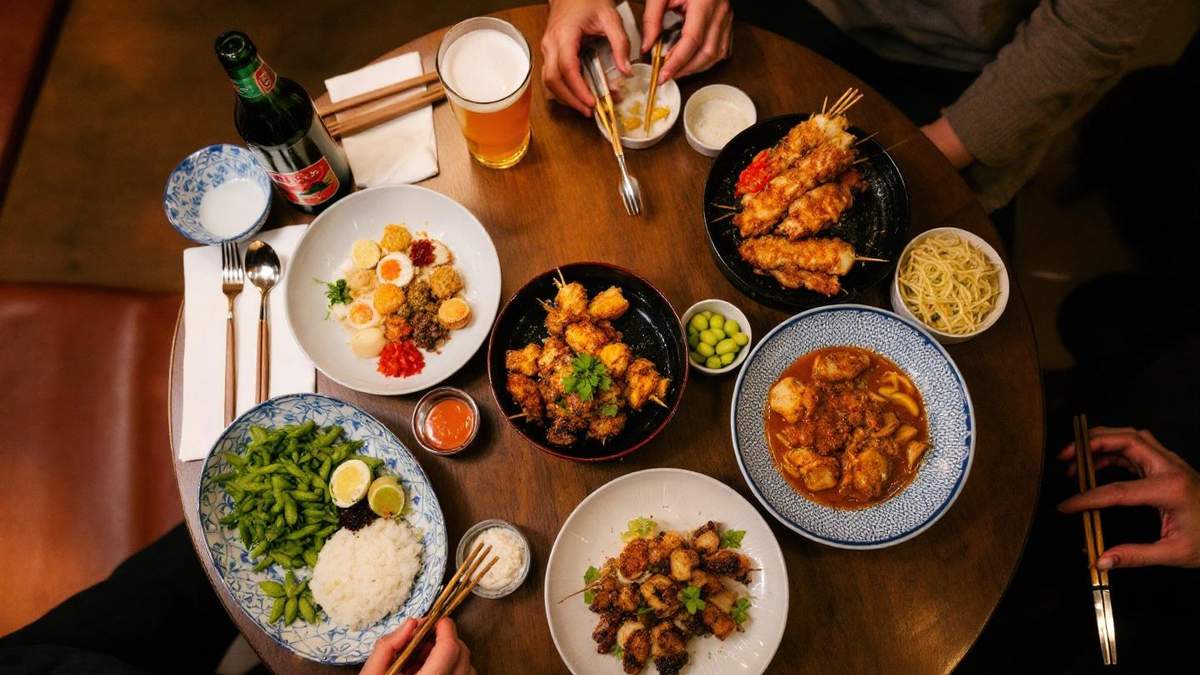
Food. Osaka calls itself the “nation’s kitchen” (tenka no daidokoro) and earns the title. The density of excellent, affordable food is higher in Osaka than anywhere else in Japan. Dotonbori for takoyaki (octopus balls) and kushikatsu (deep-fried skewers). Kuromon Market for fresh seafood. Shinsekai for cheap kushikatsu and retro atmosphere. Hozenji Yokocho alley for atmospheric standing bars. Osaka’s food culture is more casual, more abundant, and cheaper than Tokyo’s.
Personality. Osakans are famously different from Tokyoites — louder, more direct, more likely to talk to strangers, more likely to make self-deprecating jokes about eating too much. The cultural difference between the two cities is real and the Osaka character is more accessible for many foreign visitors.
Dotonbori. The neon-lit canal district is one of the most visually spectacular areas in all of Japan. It is tourist-heavy but deservedly so — the giant moving mechanical crab, the illuminated bridges, the ramen shops with queues stretching onto the street. As a single-evening experience, Dotonbori compresses more sensory intensity than almost any comparable area in Tokyo.
Value. Osaka delivers equivalent experiences at lower cost. Equivalent accommodation, equivalent restaurant quality, equivalent nightlife — all running 10–20% cheaper than Tokyo equivalents.
Kansai as a base. Osaka is the most convenient base for Kansai: Kyoto (16 minutes by Shinkansen), Nara (45 minutes by train), Hiroshima (45 minutes by Nozomi), Himeji (30 minutes by shinkansen). Using Osaka as your Kansai base concentrates more regional access than using Kyoto.
Osaka Dotonbori Food Tour — 3 Hours in Namba
Three hours through Dotonbori and Namba with a local guide: street food tastings, sake, traditional sweets, and the hidden yokocho alleys that most tourists walk past. The fastest way to understand Osaka food culture.
How to decide
Choose Tokyo (or Tokyo first) if:
- This is your first time in Japan
- You have more than 10 days and want maximum variety
- You are travelling with children (better family attractions)
- You are primarily interested in pop culture, technology, contemporary art, or nightlife range
- You are doing a long trip and want the biggest day-trip radius
Choose Osaka (or Osaka as your Kansai base) if:
- Food is your primary Japan motivation
- You have been to Japan before and want a different perspective
- You are on a tighter budget
- You want a more relaxed, social atmosphere with less tourist-circuit polish
- You are spending most of your time in Kansai (Kyoto, Nara, Hiroshima)
The right answer for most trips: Both, in one trip. Fly into Tokyo (4–5 nights), shinkansen to Kyoto (2–3 nights), day trip to Osaka, or stay in Osaka 2 nights, fly home from Osaka Kansai Airport. The classic Golden Route structure exists because it is genuinely the most efficient way to experience the contrast between the two cities.
Common scenarios
First-time Japan visitor, 10 days: Five nights in Tokyo (explore Shibuya, Shinjuku, Asakusa, day trip Nikko or Hakone), shinkansen to Kyoto (two nights, temples), one or two nights in Osaka (Dotonbori, Kuromon Market, Shinsekai). Fly home from Kansai Airport. Both cities covered, contrast experienced.
Food-obsessed repeat visitor, 7 days: Skip Tokyo. Osaka three nights (Kuromon Market morning, Dotonbori evenings, day trip to Nara), Kyoto two nights (kaiseki dinner, Nishiki Market), Osaka two more nights. Use the money saved on transport for better restaurant bookings.
Budget backpacker, 3 weeks: Start Tokyo (4 nights, hostel), shinkansen or night bus to Osaka (3 nights, cheap izakaya, Dotonbori), then wider Kansai exploration. Osaka’s lower costs extend the budget meaningfully compared to spending the same time in Tokyo.
Family with children, 14 days: More time in Tokyo (Tokyo Disney 1–2 days, TeamLab, Ueno Zoo, Akihabara), shinkansen to Osaka (Universal Studios Japan 1 day, Kaiyukan Aquarium). Tokyo wins on family attractions by volume; Osaka’s Universal Studios Japan is best-in-class.
Verdict
Tokyo is the default correct answer for first-time Japan visitors — it is more varied, more spectacular at scale, and the better introduction to Japan. Osaka is the better answer for anyone who has been to Japan before, prioritises food culture above all else, or wants a less curated, more raw urban experience.
Visit both whenever the itinerary allows. They are 2.5 hours apart and genuinely complement each other. If a single choice is forced, first-timers go to Tokyo, foodies go to Osaka.
More tours on Viator
Top-rated experiences with verified reviews, bookable on Viator (a Tripadvisor company).
 Viator
Tokyo: Make Your Own Chopsticks Shibuya
FromUSD 11Check availability → Viator
Private Curated Tour | Get Tokyo’s Must Sees & Unique Insights
FromUSD 144Check availability → Viator
Akihabara Tailor-made Private Tour for Anime Fans
FromUSD 128Check availability → Viator
Experience all of Japanese culture and Japanese food experience classes "origami, udon, Japanese food, green tea, calligraphy" in 4 hours
FromUSD 89Check availability → Viator
Samurai Experience - Learn Bushido through Kendo, in Tokyo
FromUSD 128Check availability → Viator