Tokyo to Kyoto
Last updated: March 2026
How long does it take to get from Tokyo to Kyoto?
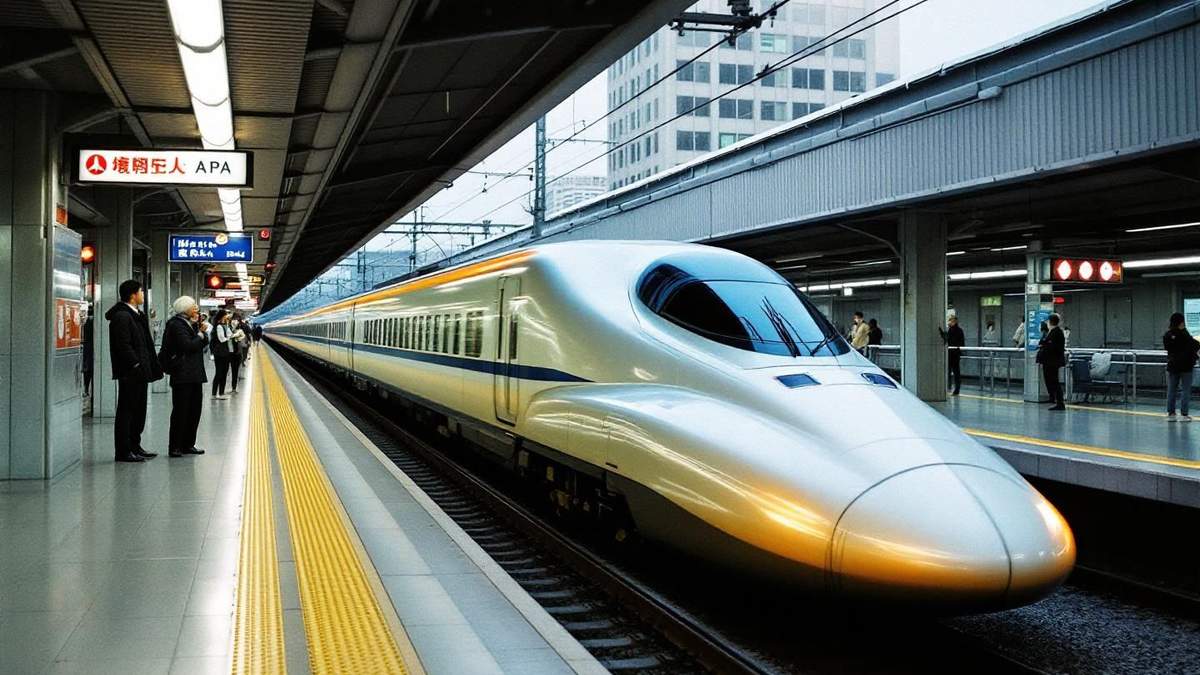
The Shinkansen (bullet train) takes 2 hours 15 minutes on the Nozomi or 2 hours 40 minutes on the Hikari (covered by JR Pass). One-way cost is about 14,170 yen. Overnight highway buses take 7-8 hours and cost 3,000-5,000 yen.
The Tokyo–Kyoto Route
Tokyo to Kyoto is the single most traveled intercity route in Japan, and one of the most traveled in the world. The 450-kilometer journey connects Japan’s modern capital with its ancient imperial capital, and the infrastructure serving this route reflects its importance. You have multiple options — from the world’s fastest bullet trains to overnight buses that let you sleep your way between cities.
This guide tells you everything: which train to take, whether the JR Pass saves you money on this specific route, how to book, where to sit for views of Mount Fuji, and what stopover options exist along the way.
Once you arrive in Kyoto, the Kyoto travel guide is your starting point for the city, and the how to use trains in Japan guide will help you navigate both cities with confidence.
All Options at a Glance
| Transport Option | Journey Time | Cost | JR Pass | Best For |
|---|---|---|---|---|
| Nozomi Shinkansen | 2 hrs 15 min | 14,170 yen | No | Speed |
| Hikari Shinkansen | 2 hrs 40 min | 14,170 yen | Yes | JR Pass holders |
| Kodama Shinkansen | 3 hrs 45 min+ | 14,170 yen | Yes | Budget (with pass), flexible |
| Highway Bus (day) | 6–7 hours | 2,500–5,000 yen | No | Budget travelers |
| Overnight Highway Bus | 7–8 hours | 3,000–5,500 yen | No | Saving a night’s accommodation |
| Flight (Haneda–Kansai) | 1 hr flight + transfers | 10,000–20,000 yen | No | Rarely makes sense |
| Driving | 5–6 hours | Fuel + 10,000 yen tolls | No | Groups with lots of luggage |
Option 1: Nozomi Shinkansen (Fastest)
The Nozomi is the fastest Shinkansen service on the Tokaido Line, stopping only at major stations: Tokyo, Shinagawa, Shin-Yokohama, Nagoya, Kyoto, Shin-Osaka. It is the standard choice for travelers paying out of pocket.
Key Details
Departure station: Tokyo Station (Tokaido Shinkansen platforms, tracks 14–19) or Shinagawa Station Arrival station: Kyoto Station Journey time: Approximately 2 hours 15 minutes (Tokyo to Kyoto) Fare: 13,320 yen unreserved + 850 yen seat reservation = 14,170 yen one way in standard class (Ordinary/Non-reserved seat tickets cost slightly less if available) First class (Green Car): 19,330 yen one way Gran Class (premium): 27,990 yen one way
Nozomi trains run approximately every 10 minutes in peak hours, less frequently in evenings and early mornings. The full timetable is on the JR Central website (jrcentral.co.jp).
JR Pass Coverage
The Nozomi is NOT covered by the standard JR Pass. This is one of the most important facts about the JR Pass to understand. The JR Pass covers the Hikari and Kodama on the Tokaido Shinkansen but explicitly excludes the Nozomi and Mizuho. If you try to board a Nozomi with a JR Pass, you must pay the full fare for that train.
If you are paying out of pocket (no JR Pass), take the Nozomi — it is the fastest and the fare difference between Nozomi and Hikari is zero.
Option 2: Hikari Shinkansen (JR Pass Holders)
The Hikari makes a few more stops than the Nozomi (including Hamamatsu, Shizuoka, Toyohashi, Maibara, and others depending on the specific service) but the Tokyo–Kyoto journey time is only about 25 minutes longer.
Journey time: Approximately 2 hours 40 minutes (Tokyo to Kyoto) Fare: Same as Nozomi — 14,170 yen unreserved + reservation fee JR Pass: Fully covered. Show your pass, pick up a reserved seat at the ticket counter or machine, and board.
For JR Pass holders, the Hikari is the correct choice for this route. The 25-minute difference versus the Nozomi is not worth paying full fare for most travelers.
Hikari frequency: Hikari runs approximately 2–3 times per hour on average, slightly less frequently than Nozomi. During peak travel times (Golden Week, summer holidays, New Year), reserve seats in advance — Hikari trains fill up.
Option 3: Kodama Shinkansen (Slowest Shinkansen)
The Kodama stops at every Shinkansen station on the Tokaido Line — about 17 stations between Tokyo and Kyoto. The journey takes about 3 hours 45 minutes.
The Kodama is rarely worth choosing on this route unless:
- You have a JR Pass and want to make specific stops (Mishima for Mount Fuji access, Hamamatsu for the lake)
- You are buying the Hikari Rail Star or discounted “Kodama Goyuubi” tickets (limited availability)
- You are an enthusiast who wants to see every station
For standard travel between Tokyo and Kyoto, choose Nozomi or Hikari.
Should You Buy a JR Pass for This Route?
This is the most common question about the JR Pass, and the answer depends on your full itinerary.
Tokyo–Kyoto return costs 28,340 yen (two unreserved Hikari tickets). The 7-day JR Pass costs approximately 50,000 yen (2026 price — check the official JR Pass website for current pricing).
The math: If your entire trip is Tokyo–Kyoto–Tokyo with no other Shinkansen travel, the JR Pass does not pay for itself on this route alone. You need to add other trips — Kyoto to Hiroshima (Shinkansen, about 11,000 yen each way), side trips on JR lines, the N’EX airport train — to make the Pass worthwhile.
Break-even rule of thumb: If your Shinkansen travel costs are equivalent to more than 50,000 yen (one way fares added together), the 7-day Pass saves money. The JR Pass guide has a detailed breakdown with sample itineraries.
If you are doing Tokyo → Kyoto → Hiroshima → (back to Tokyo): That’s approximately 14,170 + 11,220 + 18,040 = 43,430 yen in Shinkansen fares, not including local trains, the N’EX from Narita, and other JR services. The Pass likely saves money here.
How to Book Shinkansen Tickets
Buying at the Station
Shinkansen tickets can be purchased at any major JR station from:
- Green ticket machines (touchscreen, English interface available)
- Midori no Madoguchi (JR ticket office, staffed windows)
At the machine, select your departure and arrival stations, your date, the train type (Nozomi, Hikari, etc.), your preferred time, reserved or unreserved, and the number of passengers. Pay by cash or credit card. Reserved seat tickets print immediately.
Booking in Advance Online
For the most important or busiest travel days, booking online in advance is recommended:
JR Central EX Service (EX予約): Japan’s online Shinkansen booking system. Requires a Japanese credit card or a special international enrollment — somewhat complex for visitors but worth it if you are staying long-term or making many bookings. Online prices can be slightly cheaper than station window prices.
Smart EX: A more accessible online system for international credit cards. Download the app, register your card, and book directly. Discounted “EX Early Bird” fares (EX早特) are available for bookings made 3 or more days in advance and can save 1,000–2,000 yen per ticket.
JR Pass holders: Seat reservations are free and mandatory for Hikari and Kodama (unreserved seats exist on Hikari but are scarce and standing-only if all seats are taken). Make reservations at any JR ticket office or at a green machine by selecting “Reserve Seat with Rail Pass.”
Station Logistics
Departing from Tokyo
Tokyo Station is the primary departure point for Tokaido Shinkansen. The Shinkansen platforms (14–19) are signposted from the main station. Allow 20–30 minutes to navigate from street level to the platform, particularly if you are unfamiliar with Tokyo Station (which is enormous).
Shinagawa Station is an alternative departure point, especially convenient if you are staying in south Tokyo, arriving from Haneda, or staying in the Minato/Roppongi area. Trains stop at Shinagawa 6 minutes after Tokyo Station — if you miss your Tokyo departure, the train stops at Shinagawa and you may still board.
Useful tip: The Shinkansen platform has coin lockers, but they fill up quickly on peak travel days. For heavy luggage, consider using the main station’s luggage storage or a central luggage storage service the night before.
Arriving at Kyoto
Kyoto Station is one of the largest and most impressive train stations in Japan — a vast modern structure contrasting with the ancient city around it. It houses shopping, restaurants (including a dedicated ramen alley), the Isetan department store, and direct subway access.
On arrival, the Karasuma subway line runs directly north from the station into central Kyoto. Taxis queue outside the station’s central exit. The Shinkansen exit gates are on the north side of the station building.
Where to Sit for Mount Fuji Views
Mount Fuji is visible from the Shinkansen between Tokyo and Kyoto on clear days, typically between 40–70 minutes into the journey. The mountain is on the right side of the train (when traveling from Tokyo to Kyoto), which means seats on the D or E side (window seats on the mountain side) give you the view.
Seat configuration in standard Ordinary Class: 3 seats (A/B/C) on the left, 2 seats (D/E) on the right. Seat 14E (or any E seat in cars 13–16) is the classic recommendation for unobstructed Fuji views.
On cloudy days or hazy summer days, Fuji may be completely invisible. Winter (November to February) has the highest probability of clear Fuji views because low humidity and no heat haze. Early morning trains have better visibility than afternoon services.
The window of visibility is brief — 3–5 minutes maximum. If you want to see Fuji, sit on the right side and have your camera ready once you pass Shin-Fuji Station.
Stopover Options
Nagoya
Nagoya is the natural midway stop between Tokyo and Kyoto — 100 minutes from Tokyo on the Nozomi, 75 minutes from Kyoto. Worth a half-day or full-day stopover for:
- Nagoya Castle: The largest surviving original castle tenshu (keep) in Japan was reconstructed after wartime bombing, but the adjacent Honmaru Goten (palace) is a meticulously restored original with exceptional painted fusuma panels. 500 yen entry.
- Hitsumabushi (eel rice): Nagoya’s signature dish — broiled unagi eel over rice, eaten three ways: plain, with condiments, and as ochazuke (with dashi poured over). A quintessential Japanese culinary experience best eaten in Nagoya.
- Nagoya’s Toyota Commemorative Museum of Industry and Technology: An exceptional industrial museum in a former spinning mill, worth 3 hours.
If you are doing Tokyo–Nagoya–Kyoto, it splits the journey naturally and adds a city often overlooked by tourists.
Hakone
Hakone is not on the Tokaido Shinkansen main line but sits just off it. You can detour from Tokyo (or on the return from Kyoto) to spend a night in an onsen ryokan with views of Mount Fuji before continuing to Kyoto.
Routing: Take the Odakyu Romance Car from Shinjuku to Hakone-Yumoto (about 85 minutes, 2,340 yen), spend one or two nights, then continue by bus to Mishima Shinkansen Station (about 1 hour) and pick up the Shinkansen to Kyoto.
Hakone is covered in detail in the Tokyo day trips guide.
Highway Bus — Budget Option
If the 14,170 yen Shinkansen fare is outside your budget, the highway bus between Tokyo and Kyoto offers the same journey for a fraction of the cost.
Day Buses
Multiple operators (Willer Express, JR Bus, various independents) run daytime coaches between Shinjuku or Tokyo Station and Kyoto Station. Journey time is typically 6–7 hours. Fares range from 2,500–4,500 yen depending on operator, booking advance, and bus type.
Day buses are not particularly comfortable for 6+ hours — bring a neck pillow and entertainment. They make toilet stops roughly every 2 hours at highway service areas.
Overnight Buses
The overnight bus is the budget traveler’s secret weapon on this route. Depart Shinjuku or Tokyo around 11 pm, sleep (as much as the bus allows), arrive Kyoto around 6–7 am. You save a night’s accommodation cost and the journey time “costs” you sleep rather than your daytime hours.
Fares: 3,000–5,500 yen depending on seat type. Standard “dream seats” are reclined bus seats. Premium operators (Willer’s Relax Seat, JR Bus Highway Dream) offer wider, more reclined seats for 5,000–7,000 yen. Night buses with individual semi-private pods exist at the top tier (8,000–12,000 yen) — these are genuinely comfortable and competitive with a budget hotel plus Shinkansen fare.
Booking: Willer Express (willerexpress.com), JR Bus Kanto (jrbuskanto.co.jp), and other operators have English booking interfaces. Book at least a few days in advance for weekend departures; popular routes sell out.
Pros of the Bus
- Dramatically cheaper than Shinkansen
- Overnight option saves accommodation costs
- Multiple boarding points in Tokyo
Cons
- 3–4 hours longer than the Shinkansen
- Quality of sleep is variable
- Not covered by JR Pass
Flying: Almost Never the Right Choice
Haneda Airport to Osaka Itami Airport (nearest to Kyoto) takes about 1 hour in the air. However, add:
- 30–45 minutes to reach Haneda from Tokyo
- 2 hours check-in/security ahead of departure
- 30 minutes to clear the airport on arrival
- 30–40 minutes bus from Osaka Itami to Kyoto
Total door-to-door: 4–5 hours minimum, at a cost of 10,000–20,000 yen. The Shinkansen takes 2 hours 15 minutes door-to-terminal and costs the same or less.
Flying makes no practical sense on this route unless you specifically want to use an airline’s miles.
Practical Tips
Baggage on the Shinkansen: Large suitcases should be stored in the overhead luggage racks above the rear-most row of each car — there are designated spaces. In 2020, JR Central introduced a requirement that suitcases over 160cm in total dimensions must be pre-registered (free, done at the ticket window) or placed in the designated overhead space. This is rarely enforced strictly but be aware that large bags on the Shinkansen require the overhead storage area.
IC card on the Shinkansen: Your Suica or Pasmo IC card does not cover Shinkansen fares — you need a separate Shinkansen ticket. The IC card covers local trains at both ends of the journey.
Eating on the train: Ekiben (station boxed meals) are one of Japan’s great food traditions. Buy an ekiben at Tokyo Station before boarding — there is an entire underground food floor dedicated to regional ekiben from around Japan. Eating on long-distance trains is completely acceptable in Japan. Drinking alcohol on the Shinkansen is also normal and widely practiced.
Timetables: The Shinkansen timetable is exact. Trains depart and arrive to the minute. Arrive at your platform 5–10 minutes before departure. The platform screen shows exactly where each car will stop — position yourself at the correct car marker.
Once you arrive in Kyoto, the Kyoto travel guide covers getting around the city, top attractions, and where to stay. If you have a JR Pass, review the JR Pass guide to understand what it covers for onward travel to Nara, Osaka, Hiroshima, and other destinations. For your first experience of Tokyo before departing, the Tokyo things to do guide is the best starting point. Travelers dealing with luggage on this journey should read the Japan luggage forwarding guide — sending bags ahead from Tokyo to your Kyoto hotel makes the Shinkansen journey considerably more comfortable.