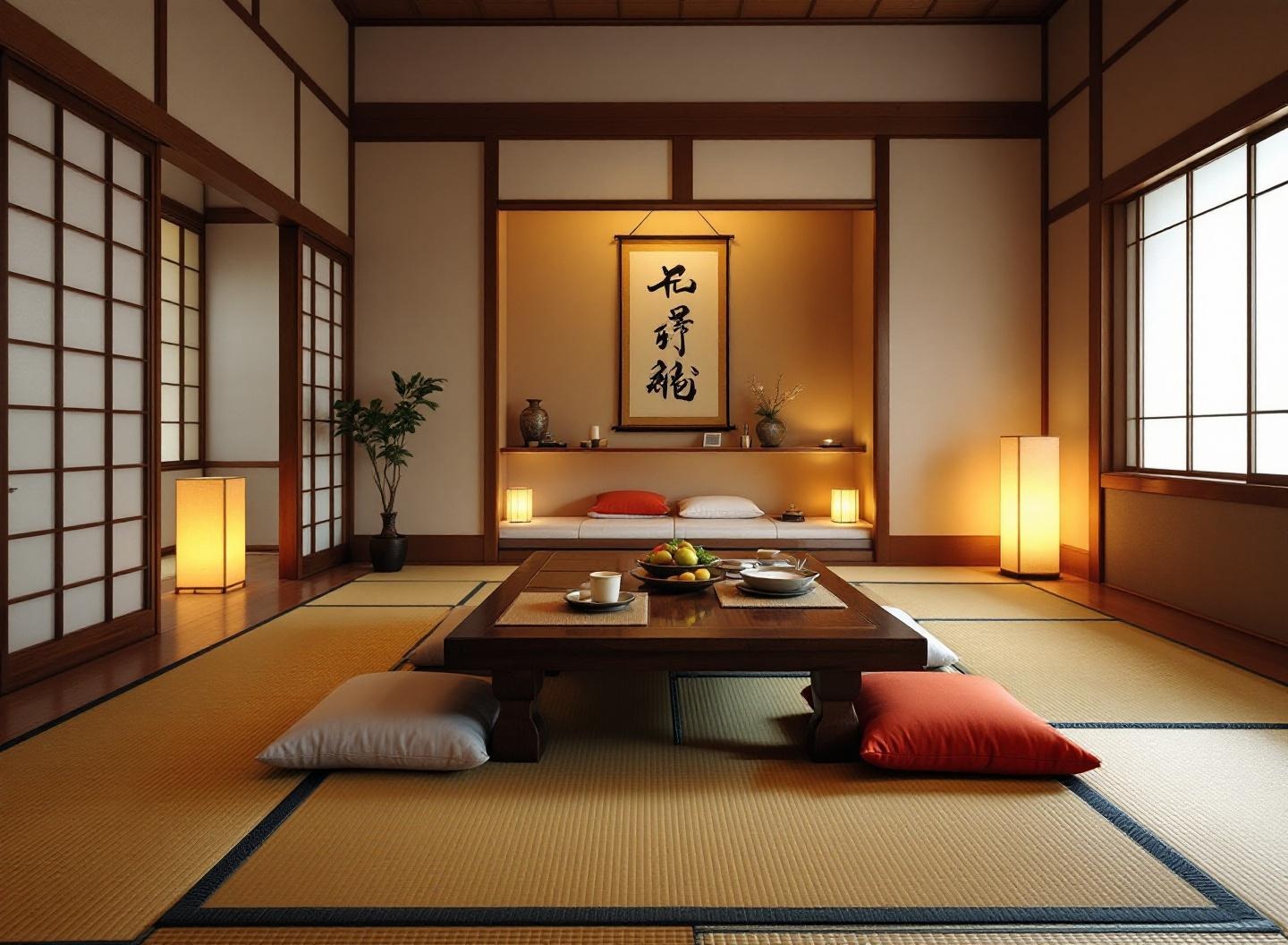
Ryokan vs Hotel in Japan
Which is better, ryokan or hotel in Japan?
Neither exclusively. The best Japan trips combine both: one or two ryokan nights to genuinely experience traditional hospitality, kaiseki dining, and onsen bathing, then Western-style hotels for the rest. Staying in ryokan every night is exhausting — the fixed dinner schedules, futon sleeping, and communal bathing add up. Mix deliberately.
Ryokan vs hotel? Most travellers ask the wrong question. You don’t pick one — you mix. Ryokan for one or two nights to taste the experience, hotels for the rest because you will burn out otherwise. A week of tatami floors, fixed-schedule kaiseki dinners, and communal bathing is overwhelming for most first-timers. One or two nights is perfect. Here’s how to make that decision smartly.
At a glance
| Criterion | Ryokan | Western Hotel |
|---|---|---|
| Price per night | 15,000–80,000+ yen (per person, with meals) | 8,000–30,000 yen (per room) |
| Sleep surface | Futon on tatami floor | Bed |
| Meals included | Usually dinner + breakfast (kaiseki) | Room only (breakfast optional) |
| Bathroom | Often shared onsen baths | Private en-suite |
| Flexibility | Fixed check-in/dinner times | Flexible |
| Privacy | Moderate (shared baths, thin walls) | High |
| Cultural experience | Very high | Low to moderate |
| Best for | Onsen destinations, special occasions | Cities, multi-night stays, business travel |
| Cancellation policy | Often strict (48–72h) | Usually flexible |
Cost comparison
The pricing model is fundamentally different. Hotels charge per room; most ryokan charge per person. A couple at a mid-range ryokan with dinner and breakfast pays 30,000–70,000 yen per night for two. The same couple at a business hotel in Kyoto pays 15,000–25,000 yen per room.
However, ryokan prices typically include a multi-course kaiseki dinner and full Japanese breakfast — meals that would cost 8,000–15,000 yen each at a restaurant. Factor that in and the value calculation shifts.
Rough per-person cost breakdown:
| Tier | Ryokan (per person, half-board) | City Hotel (per room, room-only) |
|---|---|---|
| Budget | 6,000–12,000 yen | 5,000–10,000 yen |
| Mid-range | 15,000–35,000 yen | 12,000–22,000 yen |
| Premium | 40,000–80,000 yen | 25,000–50,000 yen |
| Luxury | 80,000–150,000+ yen | 50,000–120,000+ yen |
Note: solo travellers often pay a single supplement at ryokan (10–30% surcharge), making ryokan less economical for solo travel at the mid-to-high tier.
Where the ryokan wins
Onsen experience. If the ryokan has its own private hot spring (rotenburo — outdoor bath, or noten-buro — covered), the onsen access is the core value. Waking up, soaking in mineral-rich water, then eating a composed kaiseki breakfast is an experience a hotel cannot replicate.
Traditional architecture. Sliding shoji screens, low-lacquered tables, hanging scroll art, fresh flower arrangements changed daily. For travellers interested in Japanese aesthetics, a good ryokan is effectively a living museum.
Kaiseki dinner. A traditional Japanese multi-course dinner served in your room (or a private dining room) is a culinary event. Seasonal ingredients, precise technique, beautiful presentation. Getting this experience at a standalone restaurant costs at least as much and requires a reservation weeks in advance.
Hospitality (omotenashi). Ryokan staff meet you at the entrance, carry your luggage, serve tea, prepare the futon while you bathe, and see you off personally at departure. The attention to detail exceeds nearly every hotel category.
Location in hot spring towns. In destinations like Hakone, Kinosaki Onsen, or Beppu, ryokan are not just a lodging option — they are the destination. Hotels exist in these towns but they miss the point.
Private Hakone & Onsen Tour with Bilingual Driver
Full-day private tour covering Hakone's volcanic landscapes, Lake Ashi, and a genuine onsen experience — the ideal way to pair Mt Fuji views with ryokan culture without the logistics.
Where the hotel wins
Flexibility. Hotels impose no fixed meal times, no check-in ceremony, no mandatory dinner. Arrive at midnight, skip breakfast, leave early — hotels accommodate. Ryokan typically require check-in by 6pm, dinner at a fixed time (6:30 or 7pm), and breakfast at 7:30 or 8am. After three nights this schedule dominates your itinerary.
City travel. In Tokyo, Osaka, or Hiroshima, there is little reason to pay ryokan prices for an urban property. The onsen experience is the ryokan’s core value proposition; an urban ryokan without a natural hot spring is just an expensive tatami room.
Multiple consecutive nights. Sleeping on a futon is culturally interesting for one or two nights. For a week it becomes a back pain issue for many Western travellers. Hotels offer consistent sleep quality without novelty fatigue.
Solo travel economics. Single travellers fare much better in hotels. The per-person ryokan model, combined with single supplements, makes even mid-range ryokan expensive for one person.
Dietary restrictions. Kaiseki menus are set menus, fish-heavy, and sometimes have limited accommodation for vegetarians or allergies. Hotels’ restaurant-or-nothing model gives more control over what and when you eat.
Budget travel. For 8,000–12,000 yen per night, you can stay in excellent business hotels (Dormy Inn, APA, Toyoko Inn) with Western beds, private bathrooms, and good amenities. Budget ryokan exist at this price point but the experience is minimal without the kaiseki dinner.
How to decide
Choose a ryokan if:
- You are visiting a hot spring destination (Hakone, Kinosaki, Beppu, Kurokawa, Atami)
- You have a special occasion — anniversary, honeymoon, milestone birthday
- You want to understand Japanese traditional culture beyond temples and shrines
- You are staying 1–2 nights and can plan your schedule around fixed meal times
- Your budget can accommodate 20,000–50,000 yen per person per night
Choose a hotel if:
- You are in a major city (Tokyo, Osaka, Kyoto city centre, Hiroshima)
- You have dietary restrictions that make fixed kaiseki menus difficult
- You need full flexibility on arrival times, meal times, and departure
- You are travelling solo and the single supplement makes ryokan uneconomical
- You are staying 3+ consecutive nights in one location
The correct approach for most Japan trips (10–14 days):
- Stay in business or design hotels for the city sections (Tokyo, Osaka, Kyoto)
- Build in exactly one or two ryokan nights at an onsen destination (Hakone near Tokyo, or Kinosaki if you are doing the Kansai section)
- Treat the ryokan nights as an event, not just accommodation
Ryokan etiquette essentials
A ryokan stay has more moving parts than a hotel check-in, and knowing the sequence ahead of time makes the experience feel smooth rather than stressful:
- Check-in is usually 3–4pm, dinner around 6:30–7pm. Arrive with enough time to bathe and change into your yukata before dinner — showing up right at the dinner slot is common but rushed.
- Shoes come off at the entrance (genkan). Slippers are provided for hallways; remove them again before stepping onto tatami flooring in your room.
- Bathe before you eat, not after. Onsen ryokan expect guests to bathe once before dinner; the staff prepare your futon while you are at dinner or in the bath.
- Tattoos may be an issue at the shared bath — see the FAQ below for workarounds including private baths.
- Tipping is not expected and can cause confusion — the service charge, if any, is built into the room rate.
For the wider cultural context — bowing, shoes, and how not to cause offence elsewhere in Japan — see our Japan etiquette guide. If the onsen itself is new to you, our Japan onsen guide covers bathing order and etiquette in more depth than we can here.
Ryokan near Tokyo, Kyoto, and Osaka
You do not need to detour far from the standard Golden Route to fit in a genuine ryokan night:
- Near Tokyo: Hakone is 80–90 minutes from Shinjuku by limited express and the most accessible onsen town for a first ryokan stay — see our Hakone in 1 day guide if you are combining it with sightseeing before your ryokan check-in.
- Near Kyoto: Kinosaki Onsen (roughly 2.5 hours by limited express) is the classic choice — a walkable canal town with seven public bathhouses guests hop between in yukata. Kurama, just 30 minutes north of central Kyoto, has a smaller onsen ryokan option for a half-day escape.
- Near Osaka: Arima Onsen, close to Kobe, is one of Japan’s oldest hot spring towns and an easy day trip or overnight from Osaka.
Common scenarios
Couples on a first Japan trip (10 days): Three nights in Tokyo (city hotel), bullet train to Hakone, one night at an onsen ryokan (priority: private rotenburo, dinner included), then Kyoto (two or three nights, boutique hotel or machiya guesthouse), one night in Osaka, flight home. Total ryokan budget: 40,000–80,000 yen for two for one night. Worth every yen.
Family of four (parents + two children): Most premium ryokan can accommodate families in larger tatami rooms — one large room is actually more comfortable than two separate hotel rooms. Check age restrictions for kaiseki dinner. Mid-range family ryokan near Hakone or in Nikko offer genuine experiences at manageable prices (60,000–100,000 yen for the family per night, including meals).
Budget backpacker: Skip the premium ryokan entirely. Instead, use public sento (public baths, 500–800 yen entry) and stay in hostel dorms or capsule hotels. One night at an affordable guesthouse-style ryokan (6,000–10,000 yen per person, no meals) in a smaller onsen town gives the tatami experience at accessible cost.
Business traveller with leisure extension: Take the last two nights of your trip at an onsen ryokan as a deliberate decompression experience. The contrast between the preceding week of city meetings and a night at a Hakone ryokan with mountain views, onsen, and kaiseki dinner is pronounced. Many Tokyo-based visitors treat a single Hakone ryokan night as a reset before flying home.
Verdict
Ryokan win on cultural depth, onsen access, and kaiseki dining. Hotels win on flexibility, value in cities, and consistency over multiple nights. The answer is not either/or — it is deliberate combination.
One to two ryokan nights at a genuine onsen destination is a non-negotiable part of experiencing Japan properly. The rest of your accommodation should be hotels, chosen for location and value. Spending every night in a ryokan is a budget drain, a schedule constraint, and ultimately diminishes the special quality of the experience by repetition.
Book the ryokan first. Let the rest of your accommodation fill in around it.
More tours on Viator
Top-rated experiences with verified reviews, bookable on Viator (a Tripadvisor company).
 Viator
Peaceful Hiroshima & Miyajima UNESCO 1 Day Bus Tour
FromUSD 124Check availability → Viator
World Heritage Shirakawa-go and Experience Tours from Kanazawa
FromUSD 118Check availability → Viator
World Heritage Kyoto & Nara Uji Authentic Matcha Experience
FromUSD 124Check availability → Viator
Nara Half Day Trip Walking Tour (Private Option Available)
FromUSD 101Check availability → Viator
Hiroshima Peace (Heiwa) Walking Tour at World Heritage Sites
FromUSD 91Check availability → Viator