Best Things to Do in Nikko
Last updated: March 2026
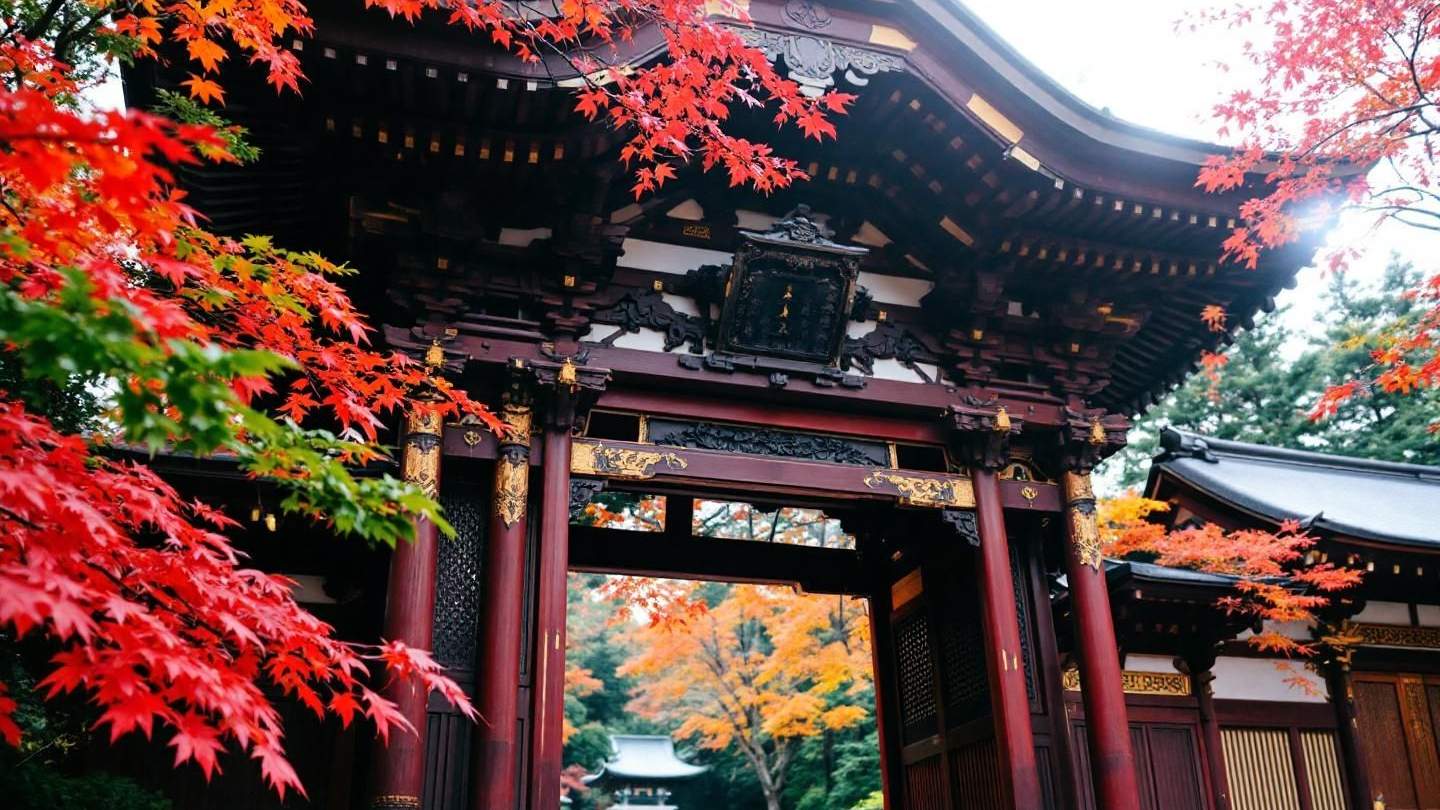
There is an old Japanese saying: “Never say magnificent until you have seen Nikko” (nikko wo minaseba, kekko to iu na). It is a play on the word kekko (magnificent/splendid) and it has been largely true for four centuries. The Toshogu Shrine complex at Nikko is the most lavishly decorated shrine in Japan — a riot of carved dragons, painted phoenixes, lacquered columns, and gold leaf on an epic scale, built to enshrine the founder of the Tokugawa shogunate. Around it, a national park of forested mountains, plunging waterfalls, a crater lake, and trails through ancient cryptomeria forest complete a destination that works as a day trip from Tokyo or a longer mountain stay.
Quick Reference
| Activity | Time Needed | Cost | Best For |
|---|---|---|---|
| Toshogu Shrine complex | 2–3 hours | 1,300 yen | All visitors |
| Rinno-ji Temple | 45–60 minutes | 900 yen (Sanbutsudo + Shoyoen) | Buddhist art, gardens |
| Futarasan Shrine | 30–45 minutes | 200 yen | Sacred forest atmosphere |
| Kegon Falls | 30–45 minutes | 570 yen (elevator) | Waterfall spectacle |
| Lake Chuzenji | 1–3 hours | Free (lakeside) | Scenery, boats |
| Tamozawa Imperial Villa | 45–60 minutes | 550 yen | Architecture, history |
| Ryuzu Falls and Senjogahara Marshland | 2–4 hours | Free | Hiking, autumn foliage |
| Nikko cryptomeria avenue | 30 minutes | Free | Atmospheric forest walk |
| Edo Wonderland (Nikko Edomura) | Half day | 2,800 yen | Families, cultural performance |
| Yumoto Onsen (Okunikko) | Evening or half day | Day use from 500 yen | Hot springs, mountain scenery |
Toshogu Shrine
Toshogu is the reason most people come to Nikko, and it genuinely earns the visit. The shrine complex was built between 1634 and 1636 by the third Tokugawa shogun, Iemitsu, to deify his grandfather Tokugawa Ieyasu — the man who ended a century of civil war and unified Japan. The resources deployed were extraordinary: 15,000 craftsmen working for two years, 600 kilograms of gold leaf, elaborate woodcarving covering virtually every exposed surface.
The approach passes through a massive stone torii gate, up stone stairs through ancient cryptomeria forest, through successive gates each more elaborate than the last, to the main worship hall and the inner sanctuary housing Ieyasu’s remains. The Yomei-mon Gate (Gate of Sunlight) is the visual climax — a four-meter-high, three-bay gate covered in over 500 individual carvings of people, animals, flowers, birds, and dragons in lacquered and gilded woodwork. It is deliberately over the top, and in its excess, genuinely extraordinary.
The Sleeping Cat (Nemuri-neko) carving above one of the gates is one of Japan’s most famous small sculptures — a dozing cat carved by the legendary craftsman Hidari Jingoro, symbolizing peace (even the cat can sleep without fear). It is remarkably small and easy to miss. Look above the Sakashita-mon gate.
The Stairway to Ieyasu’s Mausoleum continues up the hill above the main shrine complex through deep forest to a simple bronze-roofed mausoleum — a deliberate contrast to the elaborate decorative excess below. The hike up and down takes about 20–30 minutes and is worth doing for the perspective.
The main complex admission is 1,300 yen (includes entry to Rinno-ji’s Sanbutsudo, available as a combined ticket). Purchase tickets at the ticket offices below the main approach rather than at individual gates.
Rinno-ji Temple
Rinno-ji (admission 900 yen for the Sanbutsudo and Shoyoen Garden) is the great Buddhist temple adjacent to Toshogu, founded in 766 AD by the Buddhist priest Shodo Shonin who is credited with opening Nikko as a sacred site. The main hall (Sanbutsudo) houses three enormous gilded wooden Buddha statues — each approximately 8 meters high — representing the three principal deities of Nikko in Buddhist form.
The adjacent Shoyoen Garden is a strolling garden dating to the Meiji period with a central pond, stone lanterns, and maples that are spectacular in autumn. The garden is small but refined and provides a quiet contrast to the shrine complex’s ornamentation.
The Treasure Hall (separate admission 300 yen) displays the temple’s collection of objects including sutras, Buddhist implements, and items associated with the temple’s long history.
Futarasan Shrine
Futarasan Shrine (admission 200 yen) is the oldest of Nikko’s three main religious sites and the shrine from which Toshogu grew — it predates Toshogu by nearly nine centuries, founded in 782 AD. The atmosphere is deliberately the opposite of Toshogu: quiet, deeply forested, with mossy stone lanterns and a sense of ancient sacred space.
The shrine is dedicated to the three peaks of the Nikko mountains (Nantai, Nyoho, and Taro) and the paths through the cryptomeria forest connecting it to Toshogu and Rinno-ji are among the most atmospheric walks in the Nikko complex.
The sacred horse stables at Futarasan contain Japan’s most famous painted wooden horse, displayed for public viewing.
Kegon Falls
Kegon Falls is Japan’s most famous waterfall — a 97-meter drop of the Daiya River from Lake Chuzenji over a basalt escarpment, framed by forested cliffs. The main viewpoint from the observation platform is free and immediately impressive. The elevator (570 yen) descends through the rock face to a lower observation deck at the base of the falls, where the spray and sound are dramatically more intense. In cold winters the falls partially freeze into columns of ice that are spectacular from the lower deck.
The falls are accessible by bus from Nikko’s central bus terminal (about 45 minutes, or 30 minutes from central Nikko by bus up the Irohazaka mountain road). They form a natural pair with Lake Chuzenji, which is visible from the Kegon Falls area and about 5 minutes by bus.
Lake Chuzenji
Lake Chuzenji (Chuzenjiko) is a volcanic crater lake at 1,269 meters elevation, formed when Mount Nantai’s lava flow dammed the Daiya River. The lake is surrounded by mountains and accessible from Nikko via the famous Irohazaka switchback road — a one-way mountain highway with 28 hairpin turns climbing from the valley floor to the lake level.
The lakeside area includes the traditional Chuzenji Onsen hot spring town, boat cruises on the lake (1,400 yen return), and trailheads for hikes up Mount Nantai (an 8-hour strenuous climb to the summit) and along the less demanding lakeside paths.
The autumn foliage at Lake Chuzenji typically peaks in mid-to-late October, approximately two weeks before the foliage reaches Nikko’s lower elevation shrine district. Combining both elevations in a single autumn trip gives visitors two distinct waves of color.
Ryuzu Falls and Senjogahara Marshland
Above Lake Chuzenji, the landscape opens into Senjogahara — a high-altitude marshland and nature reserve crossed by boardwalk trails through sedge grass, wildflowers, and patches of forest. The marshland is unusual for Japan and particularly beautiful in autumn when the grass turns gold. The full loop trail is about 8 kilometers (3–4 hours); shorter sections are accessible for less committed walkers.
Ryuzu Falls (Dragon’s Head Falls, free) at the upper end of Lake Chuzenji is a cascade of water over a basalt flow that resembles a dragon’s back. The falls are surrounded by maple trees that turn bright red in mid-October, making this one of the most photographed autumn spots in the Nikko area. A teahouse at the viewpoint serves chestnut sweets and tea overlooking the falls.
The Cryptomeria Avenue
The approach road to the Nikko shrine complex runs through an avenue of ancient Japanese cedar trees (cryptomeria, sugi) extending over 35 kilometers total — the longest cryptomeria avenue in Japan, planted in the early 17th century by a feudal lord who could not afford to donate gold or silver to the shrine construction. The section immediately approaching the shrine is the most atmospheric, with trees up to 600 years old and 60 meters tall creating a cathedral-like tunnel.
Walking the final kilometer of the avenue from Shin-kyo Bridge to the shrine entrance (about 15 minutes, free) is the proper introduction to the Nikko complex.
Shin-kyo Bridge (Sacred Bridge, admission 300 yen to cross) is the lacquered vermilion bridge spanning the Daiya River at the base of the shrine approach — one of Japan’s three most beautiful bridges. Photographing it from the adjacent modern bridge (free access) is equally satisfying.
Edo Wonderland
Edo Wonderland Nikko Edomura (admission 2,800 yen) is a full-scale recreation of an Edo-period town — streets, buildings, live theater performances, and costumed actors playing samurai, ninja, townspeople, and courtesans in continuous period roleplay. It is genuinely immersive and well-produced, with English participation possible in most shows.
Activities include ninja training experiences, live period dramas (multiple shows daily), hands-on craft workshops, and extensive period costume rental. This is an excellent half-day for families with children or anyone interested in the Edo period’s social and cultural texture in an immediately accessible form.
Located about 10 minutes by bus from central Nikko, it works well as a morning activity before the main shrine complex in the afternoon.
Yumoto Onsen (Okunikko)
Yumoto Onsen is a small hot spring village at the far northern end of the Nikko national park area, about 40 minutes by bus from Lake Chuzenji. At 1,478 meters elevation, it is one of the highest onsen towns in the Kanto region. The sulfurous, milky-white water (similar in character to Kusatsu Onsen’s famous acid water) emerges at temperatures above 70°C from vents at the edge of Lake Yunoko.
Several small ryokan and hotels in Yumoto offer day-use bathing (from 500 yen). The combination of soaking in outdoor baths with mountain scenery and the relative emptiness of the village makes this a worthwhile addition to any overnight Nikko itinerary.
In winter, Yumoto Onsen is accessible by snowshoe through the forests of Senjogahara — guided tours are available through the visitor center.
Best Time to Visit Nikko
| Season | Conditions | Highlights | Crowds |
|---|---|---|---|
| Spring (Apr–May) | 8–20°C | Cherry blossoms and azaleas at the shrines (late April) | Moderate; quieter than autumn |
| Summer (Jun–Aug) | 20–28°C, cooler than Tokyo | Escape from Tokyo heat, green forests, open mountain trails | Moderate; pleasant walking conditions |
| Autumn (Sep–Nov) | 8–22°C | Peak foliage (Chuzenji in mid-Oct, shrine area in early Nov) | Very high; Japan’s most visited foliage destination |
| Winter (Dec–Feb) | -5–8°C, snow common | Snow-covered shrines, frozen Kegon Falls, quiet Yumoto Onsen | Low; uncrowded shrines and dramatic scenery |
Autumn is Nikko’s defining season — the foliage around Toshogu and Rinno-ji is exceptional — but the combination of Japan’s most famous shrine complex and the best foliage in the Kanto region creates the year’s most crowded conditions, particularly on October weekends. Visiting on a weekday dramatically improves the experience.
Winter offers Nikko in a largely different dimension: the frozen Kegon Falls (partial ice columns from January), snow on the shrine rooftops, and the onsen towns at their most welcoming.
How to Get to Nikko
| Route | Travel Time | Cost | Notes |
|---|---|---|---|
| Tobu Nikko Line Limited Express from Asakusa | 105–110 minutes | 1,360 yen + 1,080 yen surcharge | Most direct from central Tokyo |
| Tobu Nikko Line Rapid (no surcharge) from Asakusa | 2 hours | 1,360 yen | Slower but cheaper |
| JR + Tobu from Shinjuku or Ikebukuro | 2–2.5 hours | ~2,500 yen | JR Pass covers JR section only |
| Nikko Pass (2-day) | — | 4,520 yen from Asakusa | Covers all Tobu trains and buses within Nikko |
The Nikko Pass (2-day: 4,520 yen from Asakusa, available at Tobu Asakusa Station) covers the round-trip limited express from Asakusa plus unlimited buses within the Nikko area including up to Lake Chuzenji and Yumoto. It is the right choice for visitors planning to reach the falls and lake.
The full Day Trips from Tokyo guide includes Nikko in its day-trip recommendations with timing options for combining the shrine complex with the Chuzenji area.
Practical Tips
Nikko’s main sites require a combined ticket strategy. The Nikko Futarasan-sha and Toshogu combined ticket (1,300 yen) covers the two most important sites. Adding Rinno-ji requires a separate purchase. Buy everything at the first ticket office you reach (at the base of the approach) rather than purchasing at each site individually.
Two areas, two elevations. Many visitors make the mistake of spending their entire Nikko visit at the shrine complex and missing the mountain area entirely. The falls, lake, and marshland are as significant as the shrines — plan for a full day if you want both, or return on a second day.
Bus frequency up to Lake Chuzenji and Yumoto is approximately every 30–60 minutes. Check the current schedule at Nikko Station before heading up the mountain, particularly in winter when some services are reduced.
Photography inside Toshogu is permitted in most outdoor areas but restricted inside specific buildings. Be attentive to the posted signs.
See the Nikko Travel Guide for overnight accommodation recommendations and a multi-day itinerary for the full national park area.
Nikko Food and Local Culture
Nikko yuba (tofu skin) is the city’s most famous culinary product — the same specialty as Kyoto’s yuba, but produced here using water from the same pure mountain springs that served the shrine complex for centuries. Multiple restaurants in the shrine approach street and in the main Nikko town serve yuba in various preparations: yuba ramen (approximately 1,200–1,500 yen), yuba kaiseki at specialist inns, and cold yuba with ponzu sauce.
Nikko nigiri meshi — rice balls flavored with locally foraged mountain vegetables and salt — are sold at market stalls near the shrine during busy seasons.
Onsen around the mountain area include the famous Nikko Yumoto Onsen (described above) and several smaller springs at intermediate altitude. Chuzenji Onsen, at the lake’s edge, has a handful of traditional inns with open-air baths over the water.
Sake from Nikko Brewery (sold at shops throughout the city) uses the same mineral-rich spring water that feeds the area’s waterfalls and shrines. The local style tends toward clean and light, reflecting the soft mountain water.
Nikko in Depth: The Okunikko Wilderness
Beyond the famous shrine complex and the Kegon Falls / Lake Chuzenji combination, the Okunikko (deep Nikko) area further into the mountains rewards visitors with time to explore.
Senjogahara Marshland (described briefly above) extends into a full hiking circuit connecting Ryuzu Falls, the marshland boardwalks, and Yudaki Falls — a roughly 8-kilometer route taking 3–4 hours that passes through open marshland with mountain views, forest sections, and multiple waterfalls. The route is well-marked and manageable without guides. Autumn (late September through October) transforms the marshland grasses and surrounding forest into gold and red.
Yudaki Falls at the northern end of the marshland circuit is a 70-meter cascade into Lake Yunoko — a powerful, wide falls set in forest directly adjacent to the lake. The contrast between the violent falls and the still lake surface makes this one of Nikko’s most striking individual sites.
Wildlife in Okunikko includes Japanese macaques (visible particularly near Yudaki Falls area), Japanese serow (a mountain goat-antelope), and various raptors including golden eagles in the higher elevations. Winter brings lake ice and significantly more concentrated wildlife activity around the hot spring vents.
Nikko Day Trip vs Overnight Stay
Day trip from Tokyo covers the shrine complex (Toshogu, Rinno-ji, Futarasan) in 3–4 hours, with the remaining time for the cryptomeria avenue, Shin-kyo Bridge, and either a sake or yuba lunch. This is a complete and satisfying experience.
Overnight adds Lake Chuzenji and Kegon Falls on the second morning, the Okunikko marshland hike if conditions permit, and the transformation that comes from sleeping at a mountain onsen inn above the shrine town. The night-time Nikko — the shrine complex utterly empty after the day-trippers depart, lit only by stone lanterns — is an entirely different and extremely atmospheric experience.
Two nights allows the full Okunikko circuit, hiking from the marshland to the waterfalls, time at Yumoto Onsen, and a relaxed approach to the shrines. This is the right amount of time for visitors specifically interested in the national park.
For the full day-trip logistics from Tokyo, see the Day Trips from Tokyo guide. Nikko is one of the more complex day trips logistically — the two-elevation structure (shrine town plus mountain lake) benefits from advance planning.