Best Things to Do in Kyoto
Last updated: March 2026
Kyoto is the city that defines what most people imagine when they think of Japan. Fifteen hundred temples. Countless shrines. Geisha districts that function today as they did two hundred years ago. Zen gardens designed to induce stillness. Tea ceremony culture refined over five centuries. And around it all, forested mountains, bamboo groves, rivers, and neighborhoods where time genuinely seems to have moved differently than everywhere else.
The challenge with Kyoto is not finding things to do. It is knowing which of the hundreds of options actually deserve your limited time. This guide ranks the best experiences honestly, adds the practical detail you need to execute them, and points you toward the hidden corners that most visitors miss entirely.
Fushimi Inari Taisha
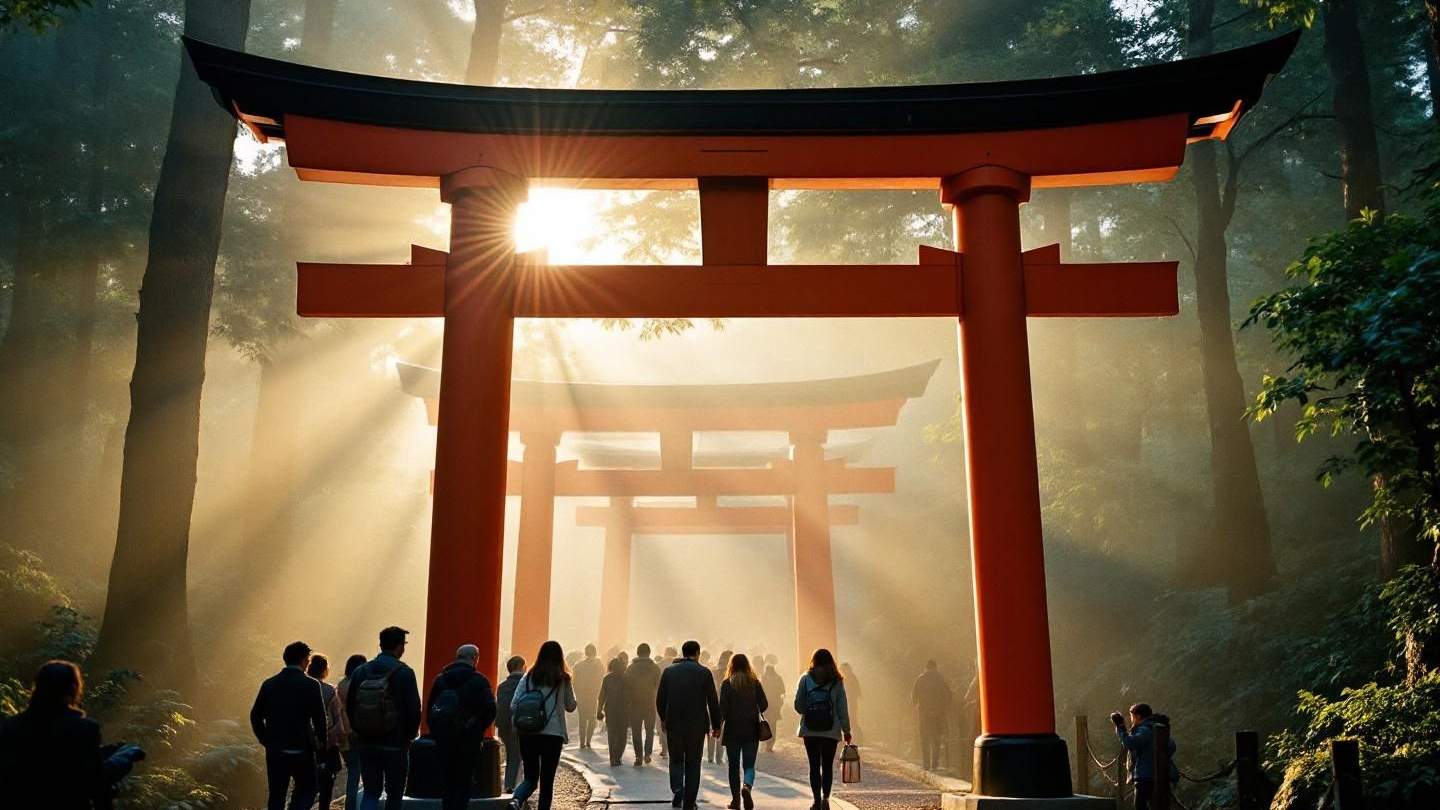
There is a reason this shrine tops nearly every list of things to do in Kyoto — and also a reason many visitors leave disappointed. The famous image of thousands of vermilion torii gates snaking up a forested mountain is real and genuinely spectacular. But the version you see in photographs is usually taken at 5 or 6 in the morning before the crowds arrive.
Fushimi Inari is free to enter and open 24 hours a day. The main gate area gets extremely crowded from around 9am until late afternoon. If you visit at dawn or after 6pm, you will have the lower trails largely to yourself. The full hike to the summit of Mount Inari and back is about 4 kilometers and takes 2 to 3 hours. Most visitors only go as far as the first major viewing platform (about 30 minutes up), which means the upper trails are quieter and more atmospheric regardless of the time of day.
The shrine is dedicated to Inari, the Shinto deity of foxes, rice, and business success. The thousands of torii gates were donated by Japanese businesses and individuals over centuries — each one has a sponsor’s name and date carved into the back post. Look for the older, moss-covered ones higher up the mountain.
Getting there: Take the JR Nara Line from Kyoto Station to Inari Station (5 minutes, 150 yen). The shrine is a 2-minute walk from the station exit.
Kinkaku-ji (The Golden Pavilion)
Kinkaku-ji is, objectively, one of the most beautiful buildings in Japan. The three-story Zen temple covered in gold leaf, reflected in the mirror-still pond in front of it, is an image that lives up to every expectation. It is also one of Kyoto’s most crowded attractions.
Admission is 500 yen. The visit is essentially a loop around the pond and garden, taking about 30 to 45 minutes. There is no access to the interior of the pavilion itself. The crowds are real — this is one of Japan’s most visited sites — but the garden is large enough that you can usually find a moment or angle with fewer people in your frame. Arrive right at opening (9am) or in the late afternoon for the best experience.
The current building is a 1955 reconstruction; the original was burned down in 1950 by a young Buddhist monk. Mishima Yukio’s novel “The Temple of the Golden Pavilion” fictionalizes the event and is worth reading before or after your visit.
Getting there: Bus 101 or 205 from Kyoto Station to Kinkakuji-michi stop (about 40 minutes). Taxis are also reasonable from the city center.
Arashiyama
Arashiyama is a full half-day or day destination in the northwestern mountains of Kyoto. The bamboo grove is the headline attraction — a narrow path through tall, densely packed bamboo that filters light into an otherworldly green — but Arashiyama offers far more than that single photo opportunity.
The bamboo grove is free and takes about 10 minutes to walk through. It is genuinely impressive even with other visitors around, though early morning (7am) is dramatically better. Immediately adjacent is Tenryu-ji, one of Kyoto’s great Zen temples with a UNESCO-listed garden featuring a central pond, raked gravel, and borrowed scenery of the surrounding mountains. Admission to the garden is 500 yen; the interior of the main hall costs extra.
Beyond the main temple complex, rent a bicycle (around 1,000 yen per day from several rental shops near the station) and explore the quieter paths along the Oi River. The Togetsukyo Bridge is the other famous image of Arashiyama — particularly beautiful in autumn when the surrounding maples turn red. Jojakko-ji and Nison-in are smaller temples on the hillside above the bamboo grove with fewer visitors and excellent garden views.
The monkey park (Iwatayama Monkey Park) sits above the bamboo grove. It requires a 20-minute uphill hike to reach the viewing area where around 120 wild Japanese macaques roam freely. Admission is 600 yen and the views of Kyoto from the top are genuinely excellent.
Getting there: Take the JR Sagano Line from Kyoto Station to Saga-Arashiyama Station (15 minutes, 240 yen), or the Hankyu Railway from Kawaramachi to Arashiyama Station.
Kiyomizu-dera
Kiyomizu-dera is the temple that most embodies Kyoto’s visual drama. The main hall extends out from the hillside on a massive wooden stage supported by hundreds of wooden pillars, assembled without a single nail, with a panoramic view over the forested valley below and the rooftops of Kyoto in the distance. The structure dates to 1633 and has been rebuilt several times following fires, but the engineering and the view remain awe-inspiring.
Admission is 500 yen. The approach along Ninenzaka and Sannenzaka — stone-paved lanes lined with tea houses, pottery shops, and vendors selling local snacks — is itself one of Kyoto’s great walks. Allow 30 to 45 minutes to walk up from Gion, more if you stop to browse.
Below the main hall, the Otawa Waterfall divides into three streams. Visitors use long-handled cups to drink from each stream, which are said to confer longevity, success in studies, and fortunate love. The belief is that drinking from all three is greedy — pick the one most relevant to your life.
At night, Kiyomizu-dera runs illumination events during cherry blossom season (late March to early April) and autumn foliage season (November). Tickets for these evening events sell out quickly and must be booked in advance. The illuminated view of the main hall floating above the lit valley below is unforgettable.
Walking Gion
Gion is Kyoto’s most famous geisha district and one of the best-preserved historic neighborhoods in Japan. The central streets — particularly Hanamikoji Street — are lined with machiya townhouses converted into ochaya (teahouses), upscale restaurants, and shops. In the evenings, particularly between 5pm and 7pm, it is genuinely possible to spot maiko (apprentice geisha) and geiko (Kyoto’s term for geisha) walking between engagements.
There are rules and etiquette to observe. Do not follow, photograph without consent, or touch anyone you spot walking the streets. The Gion area has implemented strict anti-harassment measures including fines for intrusive photography of private residents and geisha. Observe from a respectful distance.
The best approach to Gion is a slow evening walk. Start on Shijo Street, turn south onto Hanamikoji, walk its full length to Kenninji temple (Kyoto’s oldest Zen temple, open until 5pm, admission 600 yen), then loop through the quieter Shirakawa canal area with its weeping willows and stone lanterns. Allow 90 minutes for a proper walk.
During cherry blossom season, the canal at Shinbashi is one of Kyoto’s most photographed spots — pale pink blossoms reflected in the water with the historic buildings behind.
Tea Ceremony Experience
A traditional tea ceremony (chado or the way of tea) is one of the most distinctly Japanese experiences Kyoto offers. The ceremony is built around the preparation and serving of matcha, but the practice is really about precision, presence, and the aesthetic principle of wabi — finding beauty in simplicity and impermanence.
For visitors, tourist-oriented tea ceremony experiences run throughout the city. En tea ceremony near Yasaka Shrine (from around 2,000 yen per person) offers a 30-minute introduction in a traditional machiya. Urasenke, one of the three great tea schools in Japan, occasionally opens public lessons. For a more immersive experience, book a longer session at a machiya or villa setting through operators like Camellia Tea Experience (from 3,500 yen) which includes dressing in kimono, garden access, and a formal matcha service.
For the full experience, consider a kaiseki dinner at a restaurant that includes tea ceremony as part of the meal, which can cost 15,000–30,000 yen per person but represents one of Kyoto’s defining luxury experiences.
Kimono Rental
Wearing a kimono while walking the temples and lanes of Gion is not just a tourist activity — it is a genuine way to shift your relationship to the city. The dress slows you down. The aesthetic connects you to the environment. And practically every corner of Kyoto’s historic district was designed to look beautiful with traditionally dressed people in it.
Kimono rental shops are concentrated near Kiyomizu-dera and in Gion, with prices typically ranging from 3,000 yen for a basic rental to 8,000–12,000 yen for a premium kimono with dressing assistance, accessories, and hair styling. Rental periods are usually 9am to 6pm. Shops provide a bag for your regular clothes and will often keep your valuables secure while you explore.
Furikaeshi (long-sleeved kimono for young women) are particularly striking. For men, the simpler yukata and hakama styles are widely available. Book in advance during cherry blossom and autumn seasons when rental shops fill up weeks ahead.
Nishiki Market
Nishiki Market is a narrow, 400-meter covered shopping arcade running parallel to Shijo Street in the heart of downtown Kyoto. Known as “Kyoto’s Kitchen,” it has operated as a food market for over 400 years and today houses around 100 vendors selling fresh fish, pickled vegetables, tofu products, Japanese sweets, street snacks, and Kyoto specialty foods.
Arrive hungry. The market is best experienced as a progressive tasting: fresh-grilled octopus skewers (around 600 yen), yudofu (simmered tofu) samples, pickled daikon, nama fu (wheat gluten cakes) in elaborate shapes, and tamagoyaki (rolled egg omelet) straight off the pan. Nishiki Tenmangu shrine sits at the western end, an unexpected patch of calm amid the bustle.
The market runs roughly 9am to 6pm and is busiest at lunch. Weekends are crowded; arrive on a weekday morning for a more relaxed experience.
Zen Gardens
Kyoto’s Zen gardens are meditative spaces designed to communicate Buddhist philosophy through rock, gravel, and carefully placed moss. The city has dozens of excellent examples at various levels of fame and visitor volume.
Ryoan-ji has Japan’s most famous rock garden — a rectangular space of raked white gravel with fifteen stones arranged in five groups. From any position on the viewing platform, only fourteen stones are visible; the fifteenth remains hidden. The meaning is deliberately elusive. Admission is 600 yen. Arrive early to have a few minutes of quiet before the groups arrive.
Daisen-in in the Daitoku-ji complex is smaller and less visited than Ryoan-ji but arguably more sophisticated — a dry garden depicting a waterfall, river, and sea entirely in stone and sand. The monks who live at Daitoku-ji provide brief commentary during your visit. Admission is 400 yen.
Tofuku-ji has one of Kyoto’s best combination of garden styles, including a modern-designed dry garden by landscape architect Mirei Shigemori. The autumn foliage here rivals anywhere in the city. Admission is 600 yen for the gardens, 1,000 yen in peak autumn season.
The Philosopher’s Path
The Philosopher’s Path (Tetsugaku-no-Michi) is a 2-kilometer canal-side walking path in northeastern Kyoto between Ginkaku-ji (the Silver Pavilion) and Nanzen-ji. It follows a narrow waterway lined with cherry trees — roughly 500 trees that create a tunnel of blossoms in late March and early April — and is named after philosopher Nishida Kitaro, who reportedly walked it daily while meditating.
Outside of cherry blossom season it remains a lovely walk with small cafes, galleries, and boutiques along the route. Allow 45 to 60 minutes for the full path from end to end. Ginkaku-ji at the northern end (admission 500 yen) has a fine sand garden with a meticulously maintained gravel cone. Nanzen-ji at the southern end is one of Kyoto’s most important Zen temples, with a massive sanmon gate and aqueduct that feels almost incongruously Roman.
Sake Tasting in Fushimi
Most visitors to Fushimi Inari Shrine do not realize they are in Kyoto’s sake brewing district. The Fushimi area, fed by exceptionally pure subterranean water, has produced sake for over 400 years and is home to around 40 breweries, making it one of Japan’s most important sake production regions.
Gekkeikan Okura Sake Museum (admission 600 yen, includes two tasting cups) offers an excellent introduction to the brewing process with English signage and a well-curated shop. Kizakura Kappa Country is a brewery restaurant complex where you can taste multiple varieties over lunch. Many smaller breweries along the canal area open their shops to visitors and offer pour-your-own tastings from around 200 yen per small cup.
The best approach is to combine Fushimi Inari Shrine in the morning with a sake walk through the nearby brewery district in the afternoon — the two sites are about 20 minutes apart on foot.
Cooking Class
Learning to cook Japanese food in Kyoto gives you skills you can take home and a window into how Kyoto cuisine (kyo-ryori) differs from the rest of Japan. Kyoto cooking emphasizes subtlety, seasonal vegetables, tofu, and dashi — a delicate balance that contrasts with the bold flavors of Tokyo or Osaka.
Several cooking schools cater to English-speaking visitors. Cooking Sun near Nishiki Market offers half-day classes (from around 5,500 yen) that include a market visit to buy ingredients. Kyoto Cooking Circle runs small-group sessions with a focus on traditional techniques. For a higher-end experience, some ryokan will arrange private cooking lessons with their head chef as part of a stay package.
Night Illuminations
Kyoto transforms during its two great illumination seasons. In spring, cherry blossom illuminations light up Maruyama Park, Kiyomizu-dera, and the path along the Shirakawa canal. In autumn, Tofuku-ji, Eikan-do, Kodai-ji, and Kiyomizu-dera are all illuminated after dark, typically from 5:30pm to 9pm. Tickets for illumination events cost 600–1,000 yen per venue and sell out weeks in advance during peak season — book before you arrive.
The effect is dramatic at any of these venues. But the most atmospheric option is simply to walk the Higashiyama district after dark without a ticketed event. The stone lanes around Ninenzaka and Sannenzaka are lit softly, the shops are mostly closed, and the area takes on a quality that simply does not exist in daylight.
Cycling Tour
Kyoto is flat in its central and eastern areas and covers a manageable geographic area, making cycling one of the best ways to move between temples and neighborhoods. Rental bicycles cost around 800–1,500 yen per day from numerous shops near Kyoto Station and in the Gion area.
A classic cycling route connects Nishiki Market, Heian Shrine, the Philosopher’s Path, Nanzen-ji, and Gion in a single morning loop. The Imperial Palace Park (open to the public and free to enter) has wide paths and is excellent for cycling. The northwestern route toward Kinkaku-ji and Ryoan-ji works well by bicycle and avoids the need for multiple bus connections.
Guided cycling tours (typically 3–4 hours, from around 5,000–7,000 yen including bike rental and English-speaking guide) are available through operators like Eki Rent-a-Cycle and various local tour companies. These are worth considering for first-time visitors who want context alongside the sights.
Seasonal Highlights
Cherry blossom (late March to early April): The Philosopher’s Path, Maruyama Park, and the canal at Gion Shirakawa are the most beautiful spots. Book accommodation 3–6 months in advance for this period. See our day trips from Kyoto for excursion ideas during spring.
Gion Matsuri (July): Kyoto’s most important festival, running the entire month of July. The parade of enormous decorated floats through the central streets on July 17 and 24 is one of Japan’s great spectacles. Arrive the evening before for the Yoi-yama festival when floats are lit up in the streets and traditional music fills the night.
Autumn foliage (mid-November to early December): Tofuku-ji, Eikan-do, Arashiyama, and Kiyomizu-dera are the prime spots. Slightly less busy than cherry blossom season but still requires advance planning.
Winter: Kyoto in winter — particularly after snowfall — is extraordinarily beautiful and significantly less crowded. The stone lanterns of Fushimi Inari dusted with snow, the golden pavilion’s reflection in a frost-edged pond. Temperatures drop to 2–8 degrees Celsius in January and February but rarely prevent sightseeing.
Practical Information
Kyoto’s major temples cluster in three areas: the eastern hills (Higashiyama), the northwestern mountains (Arashiyama, Kinkaku-ji), and the central city. An efficient itinerary groups visits by area rather than jumping across the city. For accommodation options, see where to stay in Kyoto.
City buses (220 yen per ride, day pass 700 yen) cover most temples but can be crowded and slow during peak season. The Kyoto Subway is faster for east-west travel along the Tozai Line and north-south along the Karasuma Line. Taxis are metered and reasonable for short distances; a ride from Kyoto Station to Gion costs around 900–1,200 yen.
The Kyoto City Bus One-Day Pass (700 yen) is worth buying if you plan to take more than three bus rides in a day. IC cards (Suica, ICOCA) work on all buses and subways and save time at ticket machines.
Most temples charge 500–1,000 yen admission. Budget at least 3,000–5,000 yen per day for entrance fees alone if you are visiting multiple sites. Many gardens and shrines are free to enter; the paid temples tend to include interior access and garden areas. Day trips to Nara and Osaka are also easily done from Kyoto.