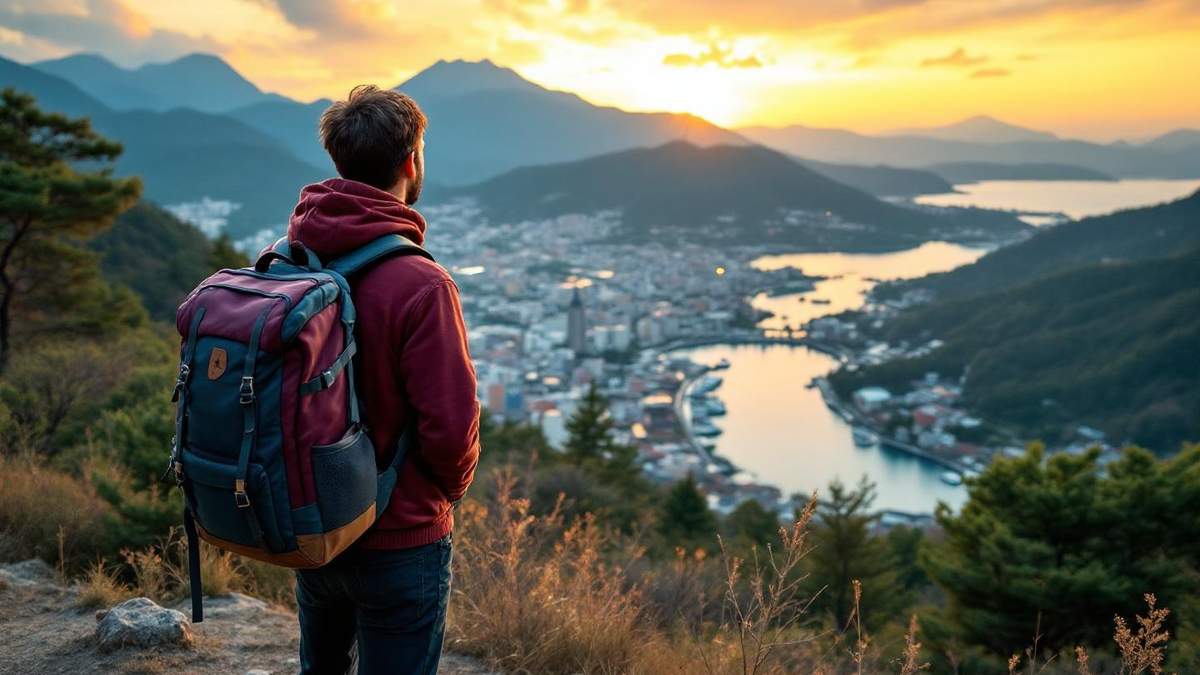
10 Days in Japan
Last updated: March 2026
Why 10 Days Is the Sweet Spot
Ten days is the most balanced Japan itinerary for a first-time visitor. It gives you three full days in Tokyo — enough to explore its distinct neighborhoods without rushing — plus two nights in Kyoto, a day in Nara, a full day in Hiroshima and Miyajima, and a proper day in Osaka. The 7-day version of this route works, but it always feels slightly rushed at the Kansai end. Ten days lets you breathe.
The addition of Hiroshima and Miyajima Island is what elevates this itinerary from a solid trip to an exceptional one. Hiroshima’s Peace Memorial Park is one of the most affecting places in Japan — not a place of despair, but one of remarkable human resolve and clarity of purpose. Miyajima’s floating torii gate and mountaintop views are among the most beautiful sights in the country. Together, they make a day that most visitors describe as the most memorable of their trip.
This itinerary assumes you are flying into Tokyo (Narita or Haneda) and flying out of Osaka (Kansai International Airport). If you are flying in and out of the same city, see the variations section at the end.
Pace and Planning
The pace is relaxed to moderate. No day requires you to be up before 7:30 am. No day packs in more than three or four main sights. There is room for spontaneity — for following a street you find interesting, sitting in a temple garden longer than planned, or spending an hour in a bookshop.
The main logistical effort in this itinerary is managing transport between cities and deciding whether the JR Pass is worth buying. The logistics section at the end addresses both in detail.
Day 1: Arrival in Tokyo
Getting From the Airport
From Narita: The Narita Express (N’EX) runs directly to central Tokyo stations including Shinjuku, Shibuya, and Ikebukuro. Journey time to Shinjuku is about 90 minutes; cost is 3,250 yen one way or 4,070 yen for a 14-day return ticket. The return ticket is always worth buying. From Haneda: The Keikyu Airport Express to Shinagawa takes 13 minutes (300 yen); the Tokyo Monorail to Hamamatsucho takes 18 minutes (500 yen).
Pick up a Suica IC card at the airport — either the physical card from a machine (500 yen deposit plus initial charge) or add it digitally to your iPhone or Google Pay. Load 2,000–3,000 yen to start.
Settling In
Stay in Shinjuku for your Tokyo nights. It is Tokyo’s best transit hub and puts you within straightforward reach of everything. Budget hotels in the Shinjuku east exit area run 9,000–16,000 yen per night for a double. Capsule hotels are available from 4,000 yen per person if budget is a priority.
Day 1 is an arrival day. Do not plan sights. Check in, eat at a nearby ramen shop or convenience store, and walk the Shinjuku entertainment district to absorb the atmosphere. The free Tokyo Metropolitan Government Building observation deck (open until 10:30 pm most days, 45th floor, north tower) is the one optional activity worth doing on a first evening — it gives you a literal aerial understanding of how vast Tokyo is.
Golden Gai, the extraordinary warren of 200-plus micro-bars in six narrow alleys east of Kabukicho, is an ideal first-night spot for a drink or two. Each bar seats perhaps eight people and has its own distinct personality. Cover charges of 500–1,000 yen are standard.
Day 2: Tokyo — Asakusa, Ueno, Akihabara
Morning: Asakusa
Arrive at Sensoji Temple before 9 am if you can. The contrast between the quiet morning and the midday crowds is significant. Walk the full Nakamise-dori shopping street, pass through Kaminarimon (the Thunder Gate) with its enormous red lantern, and enter the main hall. Sensoji is a working temple — incense smoke fills the forecourt, visitors clap and bow at the main hall, fortune slips are drawn for 100 yen. Take time with it.
The backstreets around Asakusa are excellent for slow wandering. Kappabashi-dori, a 10-minute walk west, is the restaurant supply district: the street where Tokyo’s chefs buy their knives, lacquerware, and the extraordinarily realistic plastic food models (sampuru) used in restaurant windows. You can buy a miniature plastic ramen bowl for about 800–1,500 yen as a souvenir that is both authentic and absurd.
Late Morning: Ueno
Ueno Park is a short walk from Asakusa or one subway stop. The park itself is pleasant; the real reason to visit is the Tokyo National Museum, the largest art museum in Japan. Its collection of Japanese antiquities — samurai armor, lacquerware, Buddhist sculpture, ancient ceramics, ukiyo-e woodblock prints — is extraordinary. Entry is 1,000 yen. Give it 90 minutes.
The museum café overlooks a serene courtyard garden. Lunch here is pleasant and affordable (around 1,000–1,500 yen for a set meal).
Afternoon: Akihabara
Akihabara is 15 minutes from Ueno on the JR Yamanote Line. What began as a postwar electronics market evolved through the 1990s and 2000s into the global center of otaku (anime/manga/gaming) culture. Even if none of that is your interest, the visual intensity of the district — enormous character murals, eight-story electronics stores, maid cafe touts in costume — is remarkable.
For practical shopping: Yodobashi Camera near the station is the best place in Tokyo for electronics, cables, adapters, and cameras at competitive prices. For anime and manga merchandise, the Animate store and the buildings along Chuo Dori offer the broadest selection. Retro game shops on the upper floors of various buildings sell Famicom cartridges, arcade figurines, and vintage consoles.
End the afternoon with dinner near Akihabara or head back to Shinjuku. Izakayas in Akihabara are good value: beer and multiple small plates for 2,000–3,000 yen per person.
Day 3: Tokyo — Harajuku, Meiji Shrine, Shibuya
Morning: Meiji Shrine and Yoyogi Park
Meiji Shrine opens at sunrise and closes at sunset. The forested walk from the main torii gate to the inner shrine — roughly 700 meters through a planted woodland — is one of the most calming short walks in any world city. The shrine itself is Shinto, dedicated to Emperor Meiji, and visits are free. Watch how Japanese visitors approach: bow twice, clap twice, bow once. Follow the form if you choose.
On weekends, the paths inside Yoyogi Park adjacent to the shrine fill with musicians, dancers, families, and picnickers. It is an excellent snapshot of everyday Tokyo.
Late Morning: Harajuku
From the shrine, walk south to Takeshita Street — the narrow pedestrian lane famous for youth fashion, cosplay, crepes, and candy floss. It is chaotic and wonderful. The crepes at Marion Crepes or Totti Candy Factory are legitimately worth queuing for (600–900 yen).
The more interesting fashion and boutique shopping is in the backstreets west of Omotesando Avenue — the area known as Ura-Harajuku, including Cat Street. Independent designers, vintage stores, and concept shops cluster here. Allow an hour to explore.
Afternoon: Omotesando and Shibuya
Omotesando is a wide, zelkova-lined boulevard home to flagship stores designed by some of Japan’s most celebrated architects. Omotesando Hills by Tadao Ando is worth walking through for the internal ramped atrium alone. The Prada building by Herzog and de Meuron and the Louis Vuitton building by Jun Aoki are both architecturally significant. Lunch at any of the restaurants in Omotesando Hills or along the side streets (1,500–2,500 yen for a sit-down meal).
From Omotesando, walk or take the subway to Shibuya. The Shibuya Scramble Crossing — best experienced first from street level, then from the elevated viewpoints at Starbucks above the crossing or the Shibuya Sky observation deck (2,000 yen, advance booking recommended) — is as spectacular as its reputation suggests. The surrounding area of Shibuya Center-gai and the Shibuya Stream development are worth an evening wander.
Dinner in Shibuya: Ichiran ramen (individual booth, tonkotsu broth, highly customizable, around 1,000 yen) for a quintessential Tokyo solo-dining experience, or choose from the restaurant floors of Shibuya Hikarie for a wider selection.
Day 4: Hakone Day Trip
Getting to Hakone
The Odakyu Romancecar from Shinjuku Station to Hakone-Yumoto takes 85 minutes and costs approximately 2,470 yen plus a 900-yen limited express surcharge. The front and rear cars have panoramic observation windows. Book seats in advance on the Odakyu website or at the ticket counter in Shinjuku Station.
The Hakone Free Pass (4,600 yen from Shinjuku, 2 days validity) covers the Romancecar surcharge, all loop transport, and provides discounts at major attractions. It is worth buying for a day trip.
The Hakone Loop
The classic Hakone loop combines five types of transport through volcanic mountain scenery:
Hakone-Tozan Railway (mountain rack railway): From Hakone-Yumoto to Gora, the train switches back three times to climb the steep hillside. The Hakone Open Air Museum stop is along this line. The museum (1,600 yen, covered by some passes) contains outdoor sculptures by Picasso, Henry Moore, Rodin, and Giacometti, with Fuji visible on clear days. Allow 90 minutes.
Hakone Cable Car: From Gora to Sounzan, a 10-minute cable car ride through dense cedar forest.
Owakudani Ropeway: The gondola crosses over an active volcanic zone where sulfurous vents steam constantly and the ground is yellow-gray from mineral deposits. On clear days — which statistically means about half of visits — Mount Fuji appears directly ahead, snow-capped and enormous. The black eggs (kuro-tamago) cooked in the volcanic springs (600 yen for five) are a tradition. The ropeway sometimes closes in high winds; have a backup plan (the bus bypasses this section).
Lake Ashi Pleasure Boat: From Togendai across Lake Ashi to Moto-Hakone or Hakone-machi, about 30 minutes. The lake views of Fuji, with the red torii gate of Hakone Shrine rising from the water, are among the most photographed in Japan.
Bus back to Hakone-Yumoto: From Moto-Hakone, local buses complete the loop. The journey takes about 35 minutes.
Onsen Evening
After the loop, soak in an onsen before returning to Tokyo. Hakone-Yumoto has several day-use facilities; Tenzan Toji-kyo and Kappa Tengoku are both reliable options at 1,000–1,500 yen entry. If you booked accommodation with onsen facilities, use those instead. Return on the Romancecar to Shinjuku (last departures around 8–9 pm from Hakone-Yumoto).
Day 5: Travel to Kyoto and Afternoon Exploration
Tokyo to Kyoto by Shinkansen
Leave your Tokyo hotel by 9 am. Luggage forwarding (yamato takuhaibin) is strongly recommended: for 1,500–2,000 yen per bag, your luggage is collected from your hotel before noon and delivered to your Kyoto hotel the next morning. Travel by shinkansen with just a day bag.
The Tokaido Shinkansen from Tokyo Station to Kyoto Station takes 2 hours 15 minutes on the Nozomi (not JR Pass-compatible) or 2 hours 40 minutes on the Hikari (JR Pass-compatible). Unreserved seats on the Hikari are available without advance booking. A window seat on the right-hand side (row D/E) gives the best views of Mount Fuji, which appears about 40 minutes into the journey west of Tokyo.
One-way fare on the Hikari without a JR Pass: 13,850 yen. See the logistics section for whether a JR Pass is worth it on this 10-day route.
Afternoon: Fushimi Inari Taisha
From Kyoto Station, the JR Nara Line to Inari Station takes 5 minutes and costs 150 yen. Fushimi Inari — the shrine famous for its thousands of vermillion torii gates climbing the forested mountain — is the single most visited sight in Kyoto for good reason. It is free, open 24 hours, and genuinely spectacular.
The full hike to the summit (Ichinomine, 233 meters) and back takes 2–3 hours. The most photographed section (Senbon Torii, the two parallel corridors of gates) is 15–20 minutes from the base. A good compromise: walk to the Yotsutsuji intersection (about 45–50 minutes up), which has panoramic views over southern Kyoto, and descend by a different path. This gives you a full experience of the mountain atmosphere without the full time commitment.
Afternoon visits have softer light than midday; evening visits (the gates are lit) are magical if your arrival timing allows.
Evening: Gion
Take the subway or bus from Fushimi Inari into central Kyoto and walk through Gion as the evening begins. Hanamikoji Street, lined with preserved okiya (geisha houses) and high-end restaurants, is at its most beautiful in the blue hour between sunset and full dark. Watch for maiko and geiko (Kyoto’s term for geisha) hurrying to evening appointments — brief, quiet encounters that feel like a glimpse into another century.
Dinner: Pontocho Alley, a narrow lane parallel to the Kamo River, is lined with restaurants of every type and price point. Choose a spot with a visible kitchen, a picture menu, or a staff member willing to help you navigate. Budget 2,500–5,000 yen per person for dinner.
Day 6: Kyoto — Arashiyama and Higashiyama
Morning: Arashiyama
Take the JR Sagano Line from Kyoto Station to Saga-Arashiyama Station (15 minutes, 240 yen), or the Randen tram from Shijo-Omiya for a more atmospheric approach.
Bamboo Grove: Best before 9 am. The 500-meter corridor of towering bamboo behind Tenryu-ji is extraordinary in early morning light and mercifully uncrowded.
Tenryu-ji: A 14th-century Zen temple with a pond garden that is considered one of the greatest in Japan (UNESCO listed). The garden alone is 500 yen; add 300 yen for the main hall interior. Allow 45 minutes.
Okochi Sanso: The hilltop villa garden of silent film star Denjiro Okochi. Entry is 1,000 yen and includes matcha and a wagashi sweet. The garden is composed of multiple levels with views over the Oi River valley and Kyoto beyond. It is less visited than the nearby bamboo grove and far more tranquil.
Arashiyama Monkey Park: A 20-minute hike up a hillside to a free-roaming Japanese macaque sanctuary. The humans go inside a cage to feed the monkeys; the monkeys wander around freely. Entry is 600 yen. Strongly recommended for the genuinely amusing inversion of zoo dynamics.
Lunch in Arashiyama: Shigetsu, the restaurant inside Tenryu-ji, serves shojin ryori (Buddhist vegetarian cuisine) set meals for 3,500–5,000 yen. For something more casual, the tourist strip along the main street has tofu dishes and matcha sweets at every price point.
Afternoon: Higashiyama
Take the bus east to the Higashiyama district, Kyoto’s best-preserved historic street network. The walk from Kiyomizu-dera temple down through Sannen-zaka and Ninen-zaka cobbled lanes, past pottery shops, matcha soft-serve stands, and traditional inns, is the quintessential Kyoto afternoon.
Kiyomizu-dera: The main hall of this 8th-century temple juts out from the cliff face on a wooden platform supported by enormous free-standing pillars (no nails used in construction). The view from the platform over the forested hillside and Kyoto below is exceptional. Entry is 500 yen.
Fushimi Sake District (Fushimi Momoyama): If time allows in the late afternoon, the old sake-brewing district of Fushimi — south of central Kyoto, about 15 minutes from Kyoto Station — contains white plaster kura (sake warehouses), a canal, and several breweries open for tasting. Gekkeikan Okura Sake Museum (300 yen) is the main attraction, with a tasting of three varieties included.
Day 7: Nara Day Trip and Osaka Evening
Morning: Nara
Leave your Kyoto hotel by 8:30 am. The JR Nara Line from Kyoto to Nara takes 45 minutes (690 yen). Alternatively, the Kintetsu Nara Line from Kintetsu Kyoto Station is slightly faster at 35 minutes (760 yen).
Nara Park surrounds the main temple and shrine complex and is home to approximately 1,200 free-roaming sika deer. The deer are considered sacred messengers of the Kasuga Taisha deity and have lived freely in the park since the 8th century. They have learned to bow in anticipation of shika senbei deer crackers (200 yen per pack from vendors throughout the park). They are gentle in the morning; more insistent and occasionally pushy in the afternoon heat.
Todai-ji: The main Daibutsuden hall is the world’s largest wooden structure and houses a 15-meter bronze Buddha cast in 752 AD. Entry is 600 yen. Inside, a wooden pillar has a hole at its base roughly the size of the Buddha’s nostril — visitors line up to crawl through it (said to guarantee enlightenment). The line moves quickly and it is genuinely charming.
Kasuga Taisha: A 15-minute walk east through the park. The 8th-century shrine is famous for its hundreds of bronze hanging lanterns and stone lanterns lining the approach paths. Entry to the outer grounds is free; inner precinct entry is 500 yen.
Isuien Garden: One of the finest Meiji-era stroll gardens in Japan, incorporating the view of Todai-ji’s roofline as a borrowed landscape element. Entry is 1,200 yen. Often overlooked by visitors focused on the temples and deer, it is one of Nara’s real gems.
Lunch in Naramachi: The preserved merchant district south of the park has cafes and small restaurants in converted machiya townhouses. Kakinoha-zushi — pressed sushi wrapped in persimmon leaves, a Nara specialty — is available at Hiraso and other local shops for around 1,000–1,500 yen.
Afternoon: Move to Osaka
From Nara, take the Kintetsu Nara Line to Kintetsu Namba in Osaka (40 minutes, 680 yen). Check in to your Osaka hotel — stay in the Namba, Shinsaibashi, or Dotonbori area for maximum food and access convenience.
Evening: Dotonbori and Namba
Dotonbori is Osaka’s central entertainment zone: a canal flanked by enormous illuminated signs, takoyaki stands, ramen shops, and the famous Glico Running Man neon. Walk along the canal, cross Ebisu Bridge, and let the sensory overload wash over you. This is Japan’s most unabashedly commercial and festive street area.
Eat Osaka’s defining street foods tonight:
- Takoyaki: Octopus batter balls, sauce, mayo, bonito flakes (400–700 yen for 8 pieces)
- Kushikatsu: Breaded deep-fried skewers with communal dipping sauce — no double-dipping is Osaka’s most serious dining rule (1,500–2,500 yen at a standing bar or casual restaurant)
- Okonomiyaki: Osaka-style savory pancake with cabbage, pork, and your choice of toppings (900–1,400 yen)
Walk through the Shinsaibashi shotengai (covered shopping street, the longest in Japan) and the parallel Amerika-mura district afterward. Osaka at night is alive in a way that feels different from Tokyo — louder, warmer, more openly joyful.
Day 8: Hiroshima and Miyajima
Getting to Hiroshima
From Shin-Osaka Station, the Nozomi shinkansen to Hiroshima takes 55 minutes (11,660 yen one way). The Hikari takes 75–85 minutes and is JR Pass-compatible. Leave Osaka by 8 am to maximize your day.
Hiroshima Station is served by trams (streetcars) that connect directly to the Peace Memorial Park. Tram Line 2 or 6 to Genbaku Dome-mae takes about 15 minutes and costs 180 yen.
Hiroshima Peace Memorial Park
The Peace Memorial Park occupies the island at the confluence of the Ota River branches near the hypocenter of the 1945 atomic bombing. It is a place of profound significance and requires a different kind of attention than a typical sightseeing stop.
Atomic Bomb Dome (Genbaku Dome): The skeletal remains of the Prefectural Industrial Promotion Hall, the only structure near the hypocenter to survive in any form. It was preserved deliberately as a monument. Entry is free. Stand at the river bank opposite it and consider what you are looking at.
Peace Memorial Museum: The most important museum visit in this itinerary. The museum traces the history of the bombing, its immediate effects, and the ongoing advocacy for nuclear abolition through survivor testimonies, personal artifacts (a child’s lunchbox, a scorched school uniform, a melted rosary), and documented history. Entry is 200 yen. Allow 90 minutes to 2 hours. The museum is not gratuitously graphic but it is unflinching and emotionally intense.
Peace Bell and Children’s Peace Monument: The Children’s Monument is inspired by Sadako Sasaki, the 12-year-old girl who died of radiation sickness in 1955 while folding paper cranes in the belief that 1,000 cranes would grant a wish. Thousands of colorful origami crane strings sent by schoolchildren from around the world surround the monument.
Lunch near the park: several restaurants along Heiwa Odori boulevard serve okonomiyaki Hiroshima-style — the local variation layered with noodles rather than mixed batter, cooked on a teppan griddle. Budget 1,000–1,500 yen.
Miyajima Island
From Hiroshima, take the JR San’yo Line to Miyajimaguchi Station (25 minutes, 410 yen) and the JR Ferry to Miyajima Island (10 minutes, 180 yen — covered by JR Pass). The ferry provides the first views of the famous floating torii gate from the water.
Itsukushima Shrine: The 6th-century Shinto shrine appears to float over the sea at high tide, its vermillion galleries extending over the tidal flats. The great torii gate — restored and reopened after reconstruction work — stands in the water about 160 meters from the shrine. Entry to the shrine is 300 yen.
Timing: At high tide, the sea fills beneath the shrine and gate, creating the iconic floating effect. At low tide, you can walk out to the torii gate across the sand. Both are worth seeing. Check tide tables before your visit.
Momijidani Park and Mount Misen: Miyajima’s forested mountain (535 meters) can be climbed on foot (90 minutes) or reached by ropeway in 15 minutes (1,800 yen round trip). The summit view encompasses the Seto Inland Sea, its scattering of islands, and on clear days, distant city coastlines. Allow 2 hours including travel up and down.
The island’s deer (related to Nara’s) wander freely and will nibble paper bags. The main shopping street sells momiji manju — maple leaf-shaped cakes filled with red bean or custard — the island’s defining souvenir food (around 140 yen each).
Return to Osaka by shinkansen from Hiroshima Station. The journey takes 55–75 minutes. Arrive in Osaka by 8–9 pm.
Day 9: Osaka Full Day
Morning: Osaka Castle and Surroundings
Osaka Castle (600 yen for the main tower) is a 20th-century reconstruction of the 16th-century original, with a museum inside charting the castle’s history and the life of Toyotomi Hideyoshi, the warlord who built the original. The exterior is more impressive than the interior, but the panoramic view from the top floor is excellent. The surrounding park is large and pleasant, particularly in cherry blossom or autumn foliage season.
From the castle area, walk or take the subway to Namba or Shinsaibashi. Kuromon Ichiba Market — known as Osaka’s kitchen — is a 600-meter covered market with seafood vendors, fresh produce, and street food. Best visited mid-morning when vendors are active. Try the fresh sea urchin, grilled scallops, and maguro (tuna) sashimi directly from vendors. Budget 1,500–3,000 yen for a market wander with snacks.
Afternoon: Shinsekai and Tsutenkaku
Shinsekai is one of Osaka’s most distinctive neighborhoods — a working-class entertainment district built in the 1910s that retains a wonderfully preserved retro atmosphere. The Tsutenkaku Tower (900 yen) at its center is a replica of the original 1912 tower and provides city views. The neighborhood is famous for kushikatsu restaurants (this is its birthplace) and has a slightly worn, unpretentious character that feels like a relief from the commercial intensity of Dotonbori.
Evening: Osaka Bay Area or Namba again
The Osaka Aquarium Kaiyukan in the Tempozan harbor area is one of the best in Asia (2,400 yen, approximately 2 hours). The central tank — a Pacific Ocean recreation 9 meters deep — contains whale sharks, which are kept here. It is a good option for a final evening in Osaka, particularly if you have young children or want something calmer than another round of Dotonbori.
Alternatively, return to Dotonbori for a final dinner. A sit-down kaiseki dinner at a moderate Osaka restaurant (look for places in the Minami area) costs 8,000–15,000 yen per person and is worth considering for the final evening.
Day 10: Osaka Morning and Departure
Osaka to Kansai International Airport
Kansai International Airport (KIX) serves Osaka, Kyoto, and Kobe. From Namba Station, the Nankai Limited Express (rapi:t) runs directly to the airport in about 38 minutes. Cost: 1,430 yen. Alternatively, the cheaper Nankai Airport Express takes 45 minutes for 920 yen.
Airport check-in and security are generally efficient at KIX, but allow 2.5–3 hours before your flight for international departures. If your flight is before noon, a very early start is required.
Last Morning in Osaka
If your departure allows a morning in Osaka:
- Visit Tennoji Zoo (500 yen), one of Japan’s oldest and most accessible, in the interesting Tennoji neighborhood.
- Walk through Shinsaibashi shotengai one more time for any final shopping.
- Namba Yasaka Shrine, with its enormous lion-head stage, is a brief but memorable stop 10 minutes from Dotonbori.
- Eat one last bowl of Osaka-style ramen or a final plate of takoyaki before heading to the airport.
Practical Logistics
JR Pass: Worth It for 10 Days?
The 14-day JR Pass costs 70,000 yen in 2026. The 7-day pass is 50,000 yen. Your main JR-covered journeys on this 10-day route:
- Tokyo to Kyoto (Hikari shinkansen, one way): 13,850 yen
- Shin-Osaka to Hiroshima (Hikari, one way): 9,440 yen
- Hiroshima to Shin-Osaka (Hikari, one way): 9,440 yen
Total key shinkansen costs: approximately 32,730 yen. Add the JR ferry to Miyajima (360 yen round trip) and various JR local trains (Kyoto to Nara, 690 yen; Hiroshima to Miyajimaguchi, 820 yen round trip), and the total JR-covered costs reach roughly 35,000 yen.
The 7-day pass at 50,000 yen does not pay off if you use it only for these journeys. However, if you take additional JR bullet trains (for example, day trips on JR lines in Tokyo) or if you buy the pass for a 10- to 14-day trip where you add additional destinations, it begins to make more sense.
Recommendation for most 10-day travelers: Do not buy the JR Pass. Buy individual shinkansen tickets for the intercity segments. Use your Suica card for all local travel.
Accommodation Summary
- Tokyo (3 nights): Shinjuku or Shibuya, 10,000–18,000 yen per night double
- Kyoto (2 nights): Central Kyoto near Shijo or Kyoto Station, 10,000–18,000 yen. Consider one night in a ryokan — 20,000–40,000 yen per person with meals.
- Osaka (4 nights total, split around Hiroshima day trip): Namba or Shinsaibashi area, 8,000–15,000 yen per night
Luggage Forwarding
Send your main luggage from Tokyo to Kyoto (arriving the next morning) and from Kyoto to Osaka. Cost per bag: 1,500–2,000 yen. Drop bags at hotel front desk before noon; the service is operated by Yamato Transport and Black Cat. This is one of the best travel investments you can make in Japan.
Budget Estimate
Per person per day (moderate):
- Accommodation: 8,000–15,000 yen
- Food and drinks: 3,000–6,000 yen
- Transport (local): 500–1,500 yen
- Attractions: 1,000–3,000 yen
- Miscellaneous: 1,000–2,000 yen
Major fixed costs:
- Tokyo to Kyoto shinkansen (one way): 13,850 yen
- Shin-Osaka to Hiroshima and back: 18,880 yen
- Hakone Free Pass: 4,600 yen
10-day total estimate (moderate): approximately 200,000–280,000 yen per person (roughly $1,350–$1,900 USD), excluding international flights.
Variations
Flying In and Out of Tokyo
If your flights are both in and out of Tokyo, reverse the itinerary: start in Osaka, work north through Hiroshima, Nara, Kyoto, Hakone, and end in Tokyo. Alternatively, do the full route and take the shinkansen back to Tokyo from Osaka at the end of Day 9 (2 hours 15 minutes on Nozomi), spending Day 10 in Tokyo before your flight.
Adding More Time in Hiroshima
If the Peace Memorial Museum moves you deeply (and it likely will), consider spending two nights in Hiroshima. The city itself is rebuilt, modern, and livelier than many visitors expect. Miyajima warrants a full day rather than an afternoon — hiking Mount Misen, watching the tide change around the torii gate, and eating a full dinner on the island transforms it from a snapshot stop into a genuine experience.
Traveling With Children
The 10-day route works well with children with minor modifications:
- Nara’s deer are universally beloved by kids. Allocate more time.
- Hiroshima’s Peace Museum is appropriate for children over 10–12, depending on maturity. For younger children, walk the park and see the Atomic Bomb Dome, then visit Miyajima (excellent for all ages) for the bulk of the day.
- Osaka Aquarium Kaiyukan on Day 9 is an excellent family choice.
- Keep evening activities shorter; build in rest time during the day.