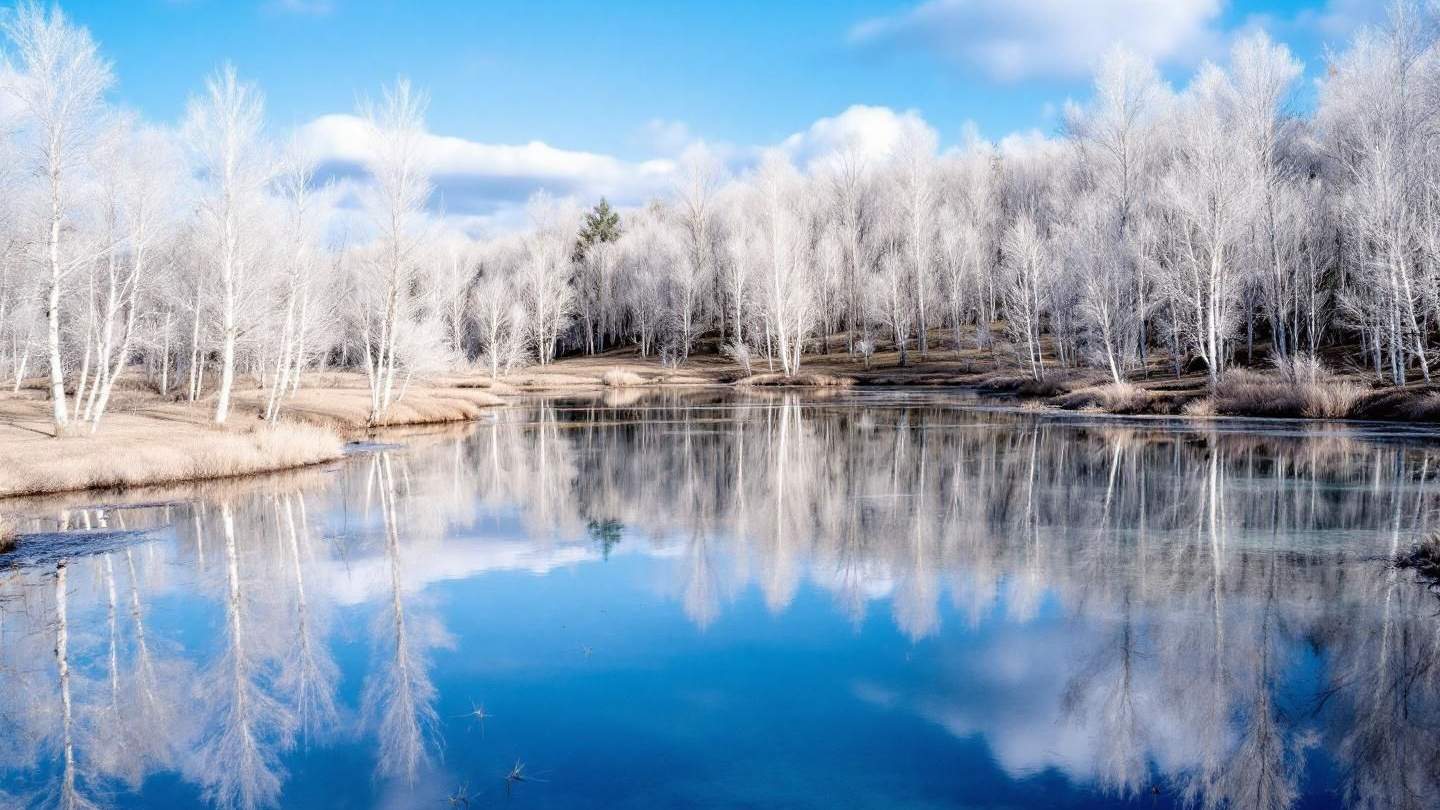
Japan in Winter
Last updated: March 2026
Is winter a good time to visit Japan?
Yes — winter (December to February) is Japan's most underrated season. You get world-class powder skiing in Hokkaido and Nagano, atmospheric onsen experiences, snow festivals, stunning winter illuminations, fewer tourists, and lower prices. Temperatures in Tokyo average 5-10C; Hokkaido drops below zero.
Japan in winter is the season that surprises even experienced Japan travellers. While everyone rushes for spring blossoms or autumn leaves, winter in Japan offers something genuinely different: deep powder snow in Hokkaido that has made Japan the ski world’s best-kept secret, volcanic onsen steaming in snowfields, magnificent snow festivals, Christmas illuminations across every city, and some of the lowest prices and thinnest crowds of the year. This guide covers everything you need to plan a skiing Japan trip or a broader winter adventure, from December through February.
Why Winter in Japan is Underrated
Winter in Japan has a reputation problem. Most travel coverage focuses on cherry blossoms and autumn leaves, leaving the impression that winter is merely a cold gap to endure. The reality is the opposite. Winter is when Japan’s mountains come alive with the best skiing in Asia, when outdoor onsen are at their most restorative, when snow-covered temples in Kyoto and Nikko look unlike anything else on earth, and when the festival calendar delivers some of the country’s most dramatic events.
The practical advantages are equally compelling: hotel prices in most cities are 20–40% lower than spring or autumn, the famous tourist sites have shorter queues, and the crisp dry air delivers exceptional visibility — including legendary views of Mount Fuji.
Winter Weather by Region
Japan’s winter divides sharply between the Pacific Ocean side (which gets cold but dry winters) and the Sea of Japan side (which gets massive snowfall from Siberian weather systems crossing the Sea of Japan). Understanding this difference is key to planning.
| Region | December | January | February | Snow? |
|---|---|---|---|---|
| Hokkaido (Sapporo) | -3–3°C | -8–-1°C | -8–0°C | Heavy (3–4 m season total) |
| Tohoku (Sendai) | 3–9°C | -1–5°C | 0–6°C | Moderate |
| Tokyo / Kanto | 7–13°C | 4–10°C | 4–10°C | Rare (1–2 dustings) |
| Kyoto / Osaka | 5–11°C | 3–9°C | 3–9°C | Occasional light snow |
| Nikko | 1–7°C | -3–3°C | -2–4°C | Significant snow possible |
| Kanazawa (Sea of Japan side) | 4–10°C | 1–7°C | 1–7°C | Heavy for a city |
| Nagano (ski resorts) | -4–3°C | -8–-1°C | -8–0°C | Excellent powder snow |
| Kyushu (Fukuoka) | 8–14°C | 5–11°C | 5–11°C | Rare |
| Okinawa | 18–22°C | 16–20°C | 16–21°C | None |
Key insight: If you want snow, focus on the Sea of Japan side — Hokkaido, Nagano, Niigata, and Yamagata. If you want cold but walkable city travel, Tokyo and Kyoto in January/February are cold but rarely disrupted by snow.
Skiing Japan: The Complete Guide
Skiing Japan has become a global phenomenon, driven by the legendary light powder snow — called Japow (Japan powder) — that accumulates in enormous quantities thanks to Siberia-sourced cold air picking up moisture over the Sea of Japan. Japanese ski resorts average 10–20 metres of snowfall per season. The snow falls as dry, light crystals that create conditions skiers describe as skiing through dust.
Best Ski Resorts in Japan
| Resort | Location | Season | Day Pass | Notes |
|---|---|---|---|---|
| Niseko United | Hokkaido | Dec–April | ¥8,500–¥9,800 | Japan’s most famous; 4 linked resorts |
| Rusutsu | Hokkaido | Dec–March | ¥7,200 | Excellent, less crowded than Niseko |
| Furano | Hokkaido | Dec–March | ¥6,200 | Good powder, quieter, family-friendly |
| Hakuba Valley | Nagano | Dec–March | ¥5,500–¥7,500 | 10 resorts; 2.5 hrs from Tokyo |
| Nozawa Onsen | Nagano | Late Nov–May | ¥5,500 | Historic village with famous free baths |
| Myoko Kogen | Niigata | Dec–March | ¥5,200 | Deep powder, lower prices |
| Zao Onsen | Yamagata | Dec–March | ¥4,800 | Famous for snow monsters (juhyo) |
| Shiga Kogen | Nagano | Dec–April | ¥5,800 | Japan’s largest linked ski area |
Niseko is the flagship. Located on Hokkaido, it has evolved into an internationally acclaimed resort with a strong Australian and now growing international presence. Expect Japanese powder at its finest but also premium prices: accommodation in peak January/February runs ¥20,000–¥80,000+ per night.
Hakuba Valley (2.5 hours from Tokyo by bus or train) offers the best accessibility for a trip combining city sightseeing and ski days. Multiple valleys, varied terrain, and far lower prices than Niseko.
Nozawa Onsen stands out for the combination of outstanding skiing and a perfectly preserved old village with free communal baths. The January fire festival (Dosojin Fire Festival, January 15) adds cultural depth to a ski trip.
Skiing Japan Practical Notes
- Rental equipment is widely available at or near every major resort. Prices run ¥4,000–¥7,000 per day for full ski or snowboard sets.
- English instruction is available at all major resorts; Niseko and Hakuba have the most English-speaking instructors.
- Ski bus packages from Tokyo to Hakuba typically cost ¥4,500–¥6,000 return. From Sapporo to Niseko: ¥2,500–¥3,500 return.
- Combining skiing and onsen: The best resort villages have onsen on site. After a day in the powder, soaking in a hot spring while snow falls is one of Japan’s finest experiences.
Onsen in Winter
Winter in Japan and onsen are inseparable. The contrast between freezing air and steaming mineral water is most powerful in winter, and outdoor baths (rotenburo) surrounded by snow create an atmosphere found nowhere else.
Top winter onsen destinations:
| Destination | Region | What Makes It Special |
|---|---|---|
| Noboribetsu | Hokkaido | Japan’s most volcanically active onsen town; 9 distinct spring types |
| Beppu | Kyushu | Massive city of hot springs; steam rises from every street |
| Yufuin | Kyushu | Elegant ryokan culture in mountain valley |
| Kinosaki Onsen | Hyogo | Historic town with 7 public baths; stroll in yukata |
| Gero Onsen | Gifu | Silky-smooth water; Japan’s three greatest onsen |
| Kurokawa Onsen | Kumamoto | Forest-based rotenburo; uniquely atmospheric |
| Jigokudani Monkey Park | Nagano | Snow monkeys bathing in hot springs |
The Jigokudani snow monkey experience (near Nozawa Onsen, Nagano) is one of Japan’s most photographed scenes: wild Japanese macaques sitting in open-air hot springs while snow falls around them. Access is a 30-minute walk from Kanbayashi bus stop; entrance fee is ¥800. Peak season is January–February.
Snow Festivals in Japan
The great snow festivals of Japan are among the world’s most spectacular winter events:
Sapporo Snow Festival (Yuki Matsuri): Held annually in late January to mid-February, this is Japan’s most famous winter festival. Teams spend weeks constructing enormous snow and ice sculptures — some the size of buildings — in Odori Park and Susukino. Attendance typically exceeds 2 million visitors over 7 days. Entry is free. See our Hokkaido guide for practical details.
Asahikawa Winter Festival: Running simultaneously with the Sapporo Snow Festival, Asahikawa’s event focuses on massive ice sculptures and is less crowded. Free entry.
Niigata Snow Country Festival: Celebrates the snow culture of Japan’s most snow-heavy prefecture with local food, fireworks over the snow, and cultural performances.
Yokote Kamakura Festival (Akita): A more intimate festival in which families build igloo-like snow domes (kamakura) and invite strangers in to share rice cakes and sweet sake by candlelight. Takes place February 15–16.
Winter Illuminations
Japanese cities transform into light shows from November through February. Winter illuminations are a major seasonal event, drawing domestic tourists in enormous numbers.
Top illumination events:
- Roppongi Hills Artelligent Christmas (Tokyo) — high-design light art installations
- Nabana no Sato (near Nagoya) — widely considered Japan’s most impressive illumination: 9 million LED bulbs across a flower garden complex
- Ashikaga Flower Park (Tochigi) — spectacular wisteria garden transformed into a winter light installation
- Sagamiko Illumillion (Kanagawa) — 5.5 million lights, 90 min from Tokyo; family-oriented
- Mifuneyama Rakuen (Saga) — Kyushu’s finest illumination in a historic hillside garden
- Kobe Luminarie — memorial illumination in Kobe (December only) commemorating the 1995 earthquake
Christmas and New Year in Japan
Christmas in Japan is celebrated as a romantic occasion rather than a religious holiday — the most popular Christmas activity in Japan is a romantic dinner for couples, and KFC has successfully marketed fried chicken as the traditional Christmas meal (booking your KFC meal in advance is legitimately necessary in Japan). City centres are festively decorated, and the atmosphere is cheerful rather than commercialised.
New Year (O-Shogatsu) is Japan’s most important holiday. December 31 through January 3 is a period of intense domestic travel. Shrines conduct hatsumode (the first shrine visit of the year) with enormous queues — Meiji Jingu in Tokyo and Naritasan temple in Chiba draw millions. Most businesses and many restaurants close December 31 through January 3.
Practical note for winter Japan travel: Plan around New Year carefully. Transport is busy, many restaurants close, and accommodation prices spike December 29 – January 3 before dropping sharply on January 4. Arriving January 4–5 gives you a peaceful, inexpensive winter Japan experience.
Top Winter Experiences Beyond Skiing
Winter in Japan has much to offer non-skiers:
- Kyoto in snow: The rare occasions when snow settles on Kinkakuji or the stone lanterns at Fushimi Inari are some of the most photographed images in Japanese travel. Light snow falls 3–5 times per winter in Kyoto. The Kyoto travel guide covers the key temples and how to reach them.
- Nikko in winter: The UNESCO shrine complex at Nikko is dramatically beautiful with snow on the cedar avenues and coloured woodwork. It is much quieter than the autumn foliage season.
- Hiroshima and Miyajima: Mild winter weather makes Hiroshima and the Miyajima floating torii gate accessible and peaceful in winter.
- Okinawa beach escape: If you want warmth, Okinawa averages 18–22°C in January–February. The sea is too cold for swimming, but the subtropical landscape and exceptional food make it a genuine winter escape.
Winter Packing List for Japan
For Tokyo / Kyoto:
- Warm winter coat (temperatures drop to 3–7°C at night)
- Thermal underlayer
- Warm hat, gloves, scarf
- Waterproof shoes (occasional rain, possible light snow)
- Layers for museums and heated interiors (which are very warm in Japan)
For ski resorts / Hokkaido:
- Quality ski jacket and ski pants (or rent at resort)
- Thermal base layers (wool or synthetic — avoid cotton)
- Waterproof gloves, goggles, neck gaiter
- Warm boots rated to -15°C
- Hand warmers (kairo) — available everywhere in Japan for ¥100–¥200
For onsen trips:
- Small towel (most ryokan provide, but handy for rotenburo)
- Casual warm layers for relaxing between baths
- Yukata (provided at ryokan and many onsen hotels)
See our complete what to pack for Japan guide for a full seasonal list.
Winter Japan Budget
Japan in winter is the cheapest season in most cities. A sample comparison for a Tokyo business hotel:
| Season | Budget Hotel/Night | Mid-range Hotel/Night | Notes |
|---|---|---|---|
| Spring (cherry blossom peak) | ¥12,000–¥18,000 | ¥22,000–¥40,000 | Highest prices of year |
| Autumn (Kyoto November) | ¥10,000–¥16,000 | ¥18,000–¥35,000 | High in Kyoto specifically |
| Winter (Jan–Feb, non-holiday) | ¥7,000–¥11,000 | ¥13,000–¥22,000 | Lowest prices |
| Golden Week exception | ¥15,000–¥25,000 | ¥28,000–¥50,000 | Applies in any season |
Winter is also excellent for budget dining: warming ramen, nabe (hot pot), and oden (slow-cooked stew) are among the best-value and most enjoyable meals in Japan, and perfectly suited to cold weather.
Japan in winter rewards travellers who look past the headline seasons. The powder snow, the steaming baths, the fire festivals, and the crisp clarity of a cold winter morning in a snow-dusted temple garden are as authentically Japanese as any cherry blossom — and far less crowded.
Winter Food: Japan’s Greatest Season for Eating
Winter in Japan may be the best time of year for food. Japanese cuisine’s most warming and comforting dishes reach their peak in winter, and seasonal ingredients in December through February are outstanding.
Nabe (hot pot): Japan’s quintessential winter dish. A central pot of simmering dashi broth at the table, into which you add seafood, vegetables, tofu, and noodles. Regional variations include shabu-shabu (paper-thin beef slices cooked in light broth), sukiyaki (sweet soy broth with beef, tofu, and vegetables), chankonabe (the wrestler’s stew, enormous portions), and ishikari nabe (Hokkaido salmon hot pot with miso broth). Nabe at a good izakaya costs ¥1,500–¥3,500 per person.
King crab and snow crab: The peak season for premium crabs — particularly Tarabagani (king crab) and Zuwagani (snow crab) — is November through March. The best crab restaurants are in Hokkaido (Hakodate, Sapporo) and along the Sea of Japan coast (Kanazawa, Tottori). A full crab kaiseki course in Hokkaido costs ¥15,000–¥40,000 per person and is one of Japan’s most exceptional dining experiences.
Fugu (puffer fish): Fugu season is October through March. The famous poisonous fish, prepared only by licensed chefs, has a delicate, firm white flesh. A fugu kaiseki in Osaka (the home of fugu culture) runs ¥15,000–¥30,000 per person.
Yaki-imo (roasted sweet potato): Street vendors selling slow-roasted Japanese sweet potatoes from the back of converted trucks appear throughout Japanese cities and towns in autumn and winter. The smell of roasting potatoes on cold air is an intensely Japanese sensory experience. Cost: ¥500–¥800 per potato.
Hot sake and amazake: Winter in Japan runs on hot drinks. Hot sake (atsukan) is available in every izakaya for ¥400–¥800 per flask. Amazake — a sweet, low-alcohol fermented rice drink — is served at temples and shrines during winter festivals and New Year, particularly warming on cold evenings.
Detailed Ski Resort Guide
Niseko (Hokkaido)
Niseko is Japan’s flagship ski resort and the largest powder skiing destination in Asia. Located 2 hours from Sapporo by bus, Niseko United comprises four interconnected resorts (Grand Hirafu, Hanazono, Niseko Village, Annupuri) with a combined 61 ski runs over 47 km. Peak season is January–February when snowfall averages 15 metres per season.
- Day lift pass (Niseko United): ¥8,500–¥9,800
- Peak season accommodation: ¥20,000–¥100,000+ per night in resort
- Off-piste skiing: Niseko’s famous open-gate backcountry access (gates in the rope line allowing access to ungroomed powder fields) is extraordinary and requires avalanche awareness
- Access from Tokyo: Fly to Sapporo New Chitose (90 min from Tokyo Haneda), then bus to Niseko (2.5 hrs, ¥3,000)
Hakuba Valley (Nagano)
Hakuba Valley is the most accessible major ski destination from Tokyo — 3.5 hours by direct snow bus from Shinjuku (¥4,500 return). Ten linked resorts offer diverse terrain. Hakuba 47 / Goryu is the most beginner-friendly; Happo-One is the largest and most technical.
- Day lift pass (individual resort): ¥5,500–¥7,500
- Combined valley pass: ¥7,800 per day
- Peak season accommodation (Hakuba village): ¥8,000–¥25,000 per night
- English instruction: Excellent; Hakuba has Australia-Japan ski culture with many bilingual instructors
Nozawa Onsen (Nagano)
Nozawa Onsen combines excellent skiing (36 runs, 70 km) with one of Japan’s most authentic traditional ski villages. The 13 free public baths (soto-yu) scattered through the village are maintained by local families and open to the public — visitors contribute voluntarily to their upkeep. The Dosojin Fire Festival (January 15) — in which young men of the village defend a wooden shrine from torch-carrying elders in a ritual that dates back 250 years — is one of Japan’s most extraordinary winter events.
- Day lift pass: ¥5,500
- Village accommodation: ¥12,000–¥35,000 per night including meals at ryokan
- Access: 2.5 hrs from Tokyo by Shinkansen to Iiyama, then bus 25 min
Winter Day Trip Ideas from Tokyo
Winter in Japan brings clear visibility that makes winter the best season for day trips from Tokyo. Mount Fuji is most reliably visible in December through February.
- Nikko in winter: The shrine complex with light snow on the elaborate coloured carvings and cedar avenues is one of Japan’s most beautiful winter scenes. 2 hours from Tokyo by Tobu Specia Express (¥2,720 return).
- Hakone for Fuji views: Winter is the peak season for clear Mount Fuji views from Hakone’s Lake Ashi. The Romancecar from Shinjuku (1h 25m, ¥2,470 or covered by JR Pass).
- Kamakura in winter: The Great Buddha and coastal temples are peaceful in winter with far fewer tourists than spring. The hike connecting Kita-Kamakura to Kamakura town through bamboo groves is outstanding on a clear winter day.
Winter Japan Budget Guide
Winter in Japan (excluding ski resorts and the New Year period) is the least expensive time to visit. A breakdown for a 7-day Tokyo-Kyoto-Osaka trip in January:
| Category | Budget Option | Mid-Range | Notes |
|---|---|---|---|
| Tokyo accommodation (3 nights) | ¥21,000 | ¥45,000 | Business hotels ¥7,000–¥15,000/night |
| Kyoto accommodation (3 nights) | ¥18,000 | ¥42,000 | Lowest prices outside Nov |
| Transport (JR Pass 7-day) | ¥50,000 | ¥50,000 | Both levels benefit equally |
| Food (all meals) | ¥35,000 | ¥70,000 | Ramen, nabe, convenience stores |
| Activities | ¥8,000 | ¥20,000 | Most temples ¥500–¥1,000 |
| Total | ¥132,000 | ¥227,000 | Significantly below spring prices |
For complete budget planning, see our Japan travel budget guide.