Hiroshima in 1 Day
Is 1 day enough for Hiroshima?
One day covers the two essential Hiroshima experiences — the Peace Memorial complex in the morning and Miyajima Island in the afternoon. It is a genuinely full day (leave by 9 am, return to hotel by 8 pm) but the routing is efficient and both sites are among the most significant and beautiful places in Japan.
Hiroshima and Miyajima in one day — two UNESCO World Heritage Sites, one day. Both are essential Japan experiences. The routing is straightforward and the day is one of the most affecting and beautiful you will have in Japan.
At a Glance
| Where | Peace Memorial Park (central Hiroshima) + Miyajima Island (45-50 minutes away) |
| Cost | Museum entry around 200 yen, shrine around 300 yen, ferry around 200 yen each way — day total roughly 2,000-3,000 yen excluding transport to Hiroshima |
| Time needed | A full day — leave your hotel by 8-9 am, back by 8 pm |
| Getting there | Shinkansen from Kyoto (around 2 hours on JR Pass-covered Hikari) or Osaka (around 100 minutes) |
| Best time | Year-round; check the best time to visit guide for seasonal crowd and weather patterns |
For the wider context of how this stop fits a longer trip, see the Hiroshima destination guide and Hiroshima Things to Do.
Morning: Peace Memorial Park and Museum (9:00–13:00)
Getting to Hiroshima
From Kyoto: Shinkansen Hikari (JR Pass covered) takes about 2 hours. Depart by 8 am to arrive at Hiroshima Station by 10 am. From Osaka (Shin-Osaka): Shinkansen Hikari, about 100 minutes. Depart by 8:30 am. From Hiroshima Station to Peace Park: tram (Hiroshima’s excellent streetcar network, 180 yen, about 15 minutes) or taxi (800–1,000 yen, 10 minutes).
Peace Memorial Park
The Peace Memorial Park occupies the former commercial center that was directly below the bomb’s hypocenter on August 6, 1945. The park is quiet, reflective, and carefully maintained. Allow 30 minutes to walk through before entering the museum.
Key points in the park:
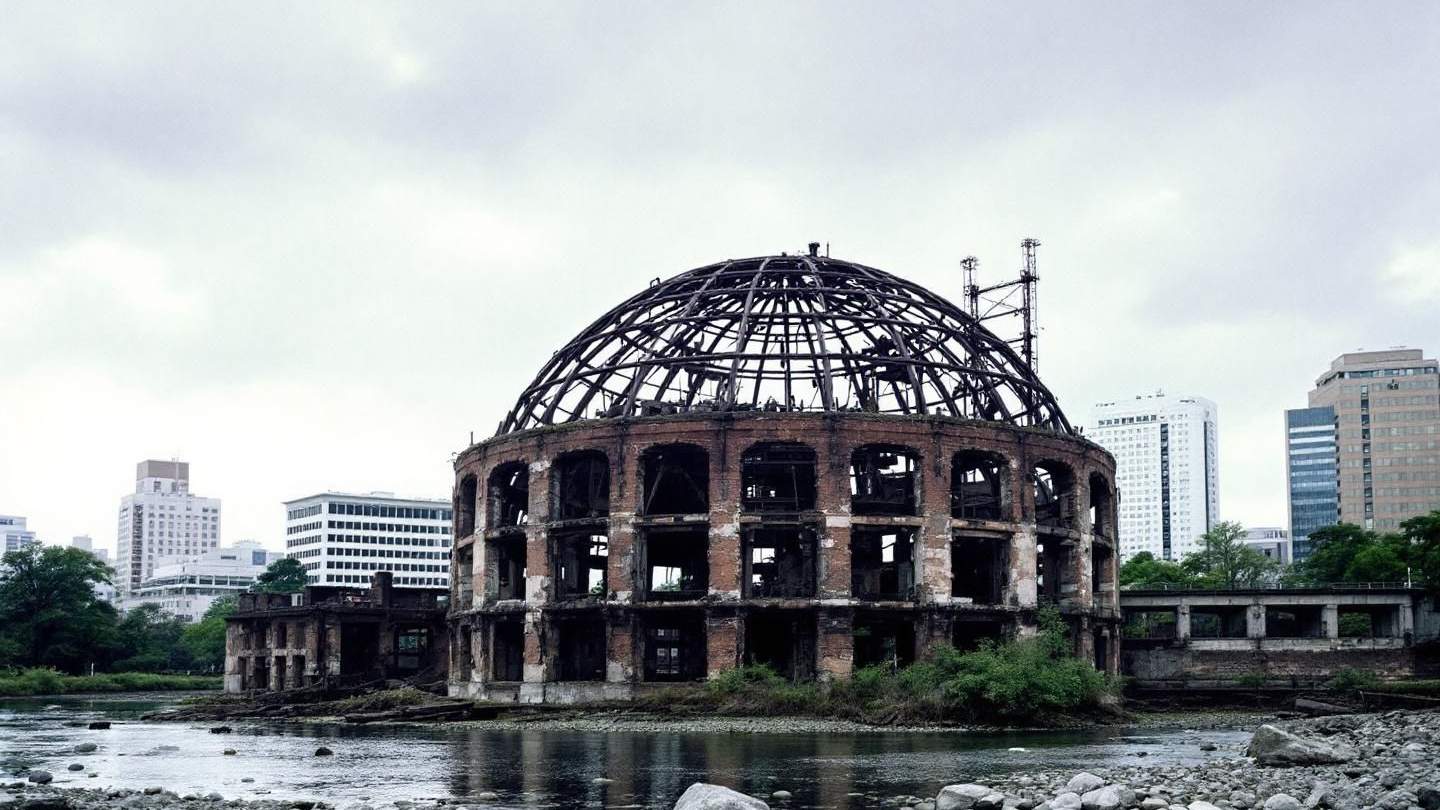
- A-Bomb Dome (Genbaku Dome): The skeletal remains of the Hiroshima Prefectural Industrial Promotion Hall, the only structure near the hypocenter that partially survived. It stands on the bank of the Motoyasu River exactly as it was left after the explosion — a UNESCO World Heritage Site and the most visible reminder of August 6. Free, outdoors, open always.
- Cenotaph for the A-bomb Victims: The memorial arch through which the A-Bomb Dome is perfectly framed.
The names of all known victims are inscribed inside.
- Children’s Peace Monument: The paper crane structure commemorating Sadako Sasaki, the 12-year-old who died of leukemia from the bomb’s radiation and whose story of folding 1,000 paper cranes became one of the defining images of the peace movement.
- Flame of Peace: Burns continuously and is pledged to burn until all nuclear weapons on earth are destroyed.
Hiroshima UNESCO Sites Full Day Tour
Guided full day covering Peace Memorial Park, the A-Bomb Museum, Miyajima Island, and Itsukushima Shrine — an expert English-speaking guide contextualizes the history and makes both sites deeply meaningful.
Peace Memorial Museum
The museum (entry 200 yen — one of the most significant sites in the world at essentially no cost) is divided into two buildings. The East Building provides historical context — the buildup to the bomb, Hiroshima before 1945. The Main Building is the difficult part: personal belongings of victims, physical evidence, photographs, medical records, survivor testimonies.
Allow 90–120 minutes and prepare to be affected. The museum is well-curated without being exploitative. Audio guides are available in English (250 yen rental).
After the museum, take time before moving on. Sit in the park, walk along the Motoyasu River. The day has weight — give it some.
Lunch: Hiroshima-style okonomiyaki near the park. The layered version with noodles inside is completely different from Osaka’s mixed style. Okonomi-mura, a building with three floors of okonomiyaki restaurants near Hatchobori, is the best option (10-minute taxi from Peace Park, 900–1,400 yen per pancake).
Afternoon: Miyajima Island (13:30–18:00)
Getting to Miyajima
From Hiroshima Station: JR Sanyo Line to Miyajimaguchi (25 minutes, covered by JR Pass). Then JR-operated ferry to Miyajima (10 minutes, covered by JR Pass — make sure to take the JR ferry, not the Matsudai Kisen private ferry).
Total journey from central Hiroshima: about 45–50 minutes.
Itsukushima Shrine and the Torii Gate
The orange torii gate of Itsukushima Shrine stands in the water of the Hiroshima Bay inlet. At high tide it appears to float. At low tide you can walk across the exposed seabed to stand beneath it. Both are extraordinary. Check the tide table before visiting.
Itsukushima Shrine itself (entry 300 yen) is built over the water on stilts — the structure extends out from the shore on a series of covered wooden boardwalks. The architectural composition with the mountains of Miyajima behind it is one of the most carefully considered views in Japanese design.
Miyajima Day Trip with Ropeway
Guided excursion from Hiroshima to Miyajima Island covering the floating torii gate, Itsukushima Shrine, and the Mount Misen ropeway — with a local guide who explains the shrine's history and the island's sacred status.
Miyajima Exploration (14:30–17:00)
The deer on Miyajima are free-roaming (like Nara, they are considered sacred) and significantly more aggressive than Nara’s deer. They will eat paper, maps, and the inside lining of your bag if you leave it unzipped. Watch them; do not feed them.
Other Miyajima options depending on time:
-
Mount Misen Ropeway: Gondola to near the summit of Miyajima’s sacred mountain (1,800 yen return). The view from the observation point at the top covers the Hiroshima Bay archipelago. Allow 90 minutes including the short hike from the ropeway upper station to the summit. Only attempt if you leave Hiroshima by 12:30 and have good energy.
-
Daisho-in Temple: A short walk from Itsukushima Shrine, a large Shingon Buddhist complex built into the hillside. Free, atmospheric, far fewer visitors than the main shrine.
-
Miyajima Street food: Momiji manju (maple leaf-shaped cakes filled with red bean paste) are Miyajima’s signature food (100–150 yen each). Also fried oysters (Hiroshima Bay produces Japan’s best oysters, 500–800 yen for a skewer).
Return to Hiroshima (17:30–18:30)
Take the last ferry before 6 pm to allow time for dinner in Hiroshima. Return JR to Hiroshima Station.
Evening: Hiroshima City
Dinner in Hiroshima: okonomiyaki at Okonomi-mura if you did not go at lunch. Or izakaya around the Chuo-dori shopping arcade area — Hiroshima has a genuine local dining scene that most day-trippers miss by leaving on the evening train.
If continuing to Kyoto or Osaka that evening: the last Shinkansen to Kyoto runs past 10 pm. Check the Japan Rail schedule for your specific service.
Getting Around
Hiroshima’s tram network is the city’s transport backbone — 180 yen per ride, flat fare, IC card accepted. Line 2 from Hiroshima Station covers the Peace Park area. Line 1 goes toward the entertainment district. Practical and good for short hops.
For Miyajima: JR train from Hiroshima Station (not the tram — the tram route to Miyajimaguchi is very slow). JR Pass holders take the JR Sanyo Line.
Note on the ferry: There are two ferry companies at Miyajimaguchi. The JR Pass covers only the JR-operated ferry (clearly marked at the pier). If you take the Matsudai Kisen private ferry, you pay 200 yen each way.
What to Skip in 1 Day
Hiroshima Castle. The main castle reconstruction is a 1958 ferro-concrete structure with a decent museum inside — but on 1 day in Hiroshima, it competes directly with Miyajima Island. Miyajima wins by a large margin.
Multiple museums. The Peace Museum is the only one that genuinely belongs in a 1-day Hiroshima visit. The Hiroshima Museum of Art and the Mazda Museum require separate days.
Slow exploration of Naka-ku. Hiroshima’s shopping and nightlife district is pleasant but not the reason to spend a full day here. Keep it to dinner, not a sightseeing focus.
Day Timeline at a Glance
| Time | Activity | Notes |
|---|---|---|
| 8:00-10:00 | Shinkansen from Kyoto/Osaka to Hiroshima | JR Pass-covered Hikari, not Nozomi |
| 9:00-13:00 | Peace Memorial Park and Museum | Allow 90-120 minutes in the museum alone |
| 13:00 | Lunch: Hiroshima-style okonomiyaki | Okonomi-mura near Hatchobori |
| 13:30-18:00 | Miyajima Island | JR train + JR ferry, both JR Pass-covered |
| 18:30 | Return to Hiroshima | Dinner or connect onward |
Alternatives If You Have More Time
If your schedule allows more than 1 day in the Hiroshima area, splitting the visit into two half-days removes the rush and lets you see Miyajima’s torii gate at both high and low tide, or add an overnight on the island itself. See Hiroshima Day Trips for other excursions (Onomichi, Iwakuni) that pair naturally with a slower-paced visit, and the Hiroshima Things to Do guide for sites like Shukkei-en Garden and Saijo sake tasting that this 1-day plan has no room for.
Travelers building Hiroshima into a longer circuit should also check 7 Days in Japan for how the stop fits a Golden Route trip, and the JR Pass guide to confirm whether a pass is worth buying for this leg specifically.
Tips for a 1-Day Hiroshima Trip
- Allow more time in the Peace Museum than you think you need. 90 minutes is the minimum; 2 hours is better.
- Check the Miyajima tide table the night before. The Miyajima Tourism Association website has English tide tables.
- The JR ferry covers the Miyajimaguchi crossing under the JR Pass — make sure you take the correct one (marked “JR” at the pier, slightly different dock from the Matsudai Kisen).
- Hiroshima okonomiyaki is cooked at the table on a built-in hot plate in the sit-down restaurants. You do not have to cook it yourself — the chef does it for you.
- The A-Bomb Dome is most powerful visited early in the morning or in the late evening — quiet, mist off the river, without daytime tour group traffic.
- Budget the day emotionally. The Peace Museum is affecting in a way that most travel experiences are not. Some visitors find they need 30 minutes in the park after the museum before continuing.
More tours on Viator
Top-rated experiences with verified reviews, bookable on Viator (a Tripadvisor company).
 Viator
Peaceful Hiroshima & Miyajima UNESCO 1 Day Bus Tour
FromUSD 124Check availability → Viator
Hiroshima Peace (Heiwa) Walking Tour at World Heritage Sites
FromUSD 91Check availability → Viator
Hiroshima City 4hr Private Walking Tour with Licensed Guide
FromUSD 118Check availability → Viator
Hiroshima 2hr Peace Cycling Tour with Local Guide
FromUSD 57Check availability → Viator
Half day - Oku-yuki River Trekking!
FromUSD 96Check availability → Viator