12 Hidden Gems in Tokyo Most Tourists Miss
Last updated: March 2026
Tokyo’s most famous neighbourhoods — Shibuya, Shinjuku, Harajuku, Asakusa — are famous for good reason. But the city has 23 wards and a metropolitan population approaching 14 million. The neighbourhoods that don’t make it onto every travel blog are often where Tokyo’s most authentic character lives. Here are twelve places worth adding to any itinerary.
1. Yanaka — The Neighbourhood That Survived
Yanaka occupies a hilltop in northeastern Tokyo and is one of the few areas to survive both the 1923 Great Kanto Earthquake and the Allied firebombing of World War Two. The result is a neighbourhood that looks and feels genuinely old in a city that rarely lets anything stand for long.
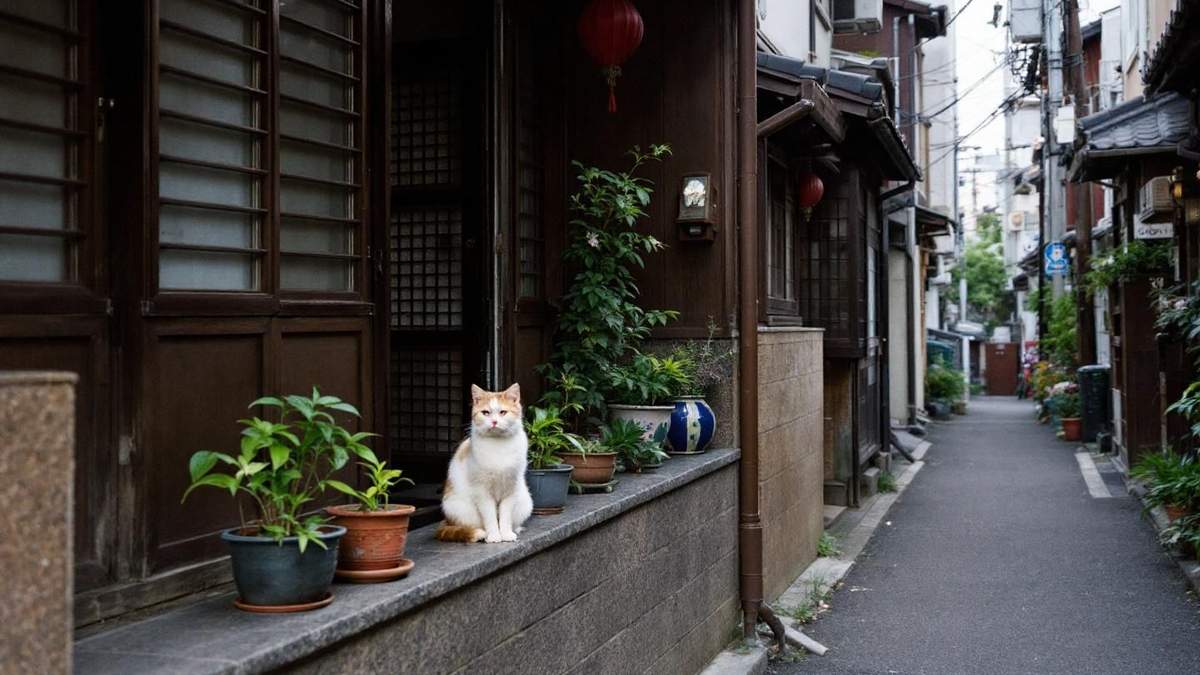
The Yanaka Ginza shotengai (shopping street) is a narrow lane lined with independent butchers, sweet shops, tofu makers, and craft stores. Cats lounge in doorways. Old women carry mesh shopping bags. The cemetery — one of Tokyo’s largest — is a peaceful, moss-covered place where famous artists and politicians are buried and locals take evening walks.
Combine a Yanaka visit with neighbouring Nezu and Sendagi for an extended afternoon. The Nezu Shrine, predating Fushimi Inari by centuries, has its own tunnel of torii gates that receives a fraction of Kyoto’s crowds. For more ideas on what to see, visit the Tokyo things to do guide.
How to get there: Nippori Station on the JR Yamanote Line.
2. Shimokitazawa — Tokyo’s Bohemian Heart
Locals call it Shimokita. It is the kind of neighbourhood where record shops sit next to vintage clothing stores, where jazz clubs and independent theatres operate in basement spaces, where the coffee is single-origin and the conversations run late. It is the closest Tokyo gets to a university town atmosphere, drawing students, musicians, and artists who cannot afford Shibuya prices.
The streets are deliberately pedestrian in scale — too narrow for comfortable driving, which keeps the chain stores out. On a weekend afternoon, Shimokitazawa feels like a city apart. Browse the second-hand clothing shops along Ichibangai and Nichome. Catch a live show at one of the small venues like Shimokitazawa Shelter or THREE. Eat at any of the independent cafes with handwritten menus and single tables.
How to get there: Shimokitazawa Station on the Odakyu or Keio Inokashira Line.
3. Kagurazaka — Paris on the Yamanote
Kagurazaka’s French connection is no accident — the neighbourhood has housed a significant French expatriate community since the early twentieth century, and the French Lycee is nearby. The result is a Tokyo neighbourhood with French patisseries, wine bars, and bistros operating alongside traditional Japanese restaurants, geisha houses, and narrow stone alleys.
The hidden alleys (yokocho) behind the main street are the real draw. Bishamoncho and the area around Akagi Shrine contain lanes so narrow that two people cannot pass comfortably, lined with old wooden buildings converted into intimate restaurants and bars. It is a place where you can get genuinely lost, which in Tokyo is a rare pleasure.
Visit Akagi Shrine, redesigned by architect Kengo Kuma, for one of the city’s most interesting juxtapositions of traditional sacred space and contemporary glass architecture.
How to get there: Kagurazaka Station on the Tokyo Metro Tozai Line.
4. Koenji — Subculture Central
Koenji is where Tokyo’s subcultures congregate. The neighbourhood has a long association with the Japanese punk scene, the anti-nuclear movement, and DIY aesthetics. The shopping streets north and south of Koenji Station are lined with used record shops, vintage clothing, anime and manga stores, and live music venues.
The Awa Odori dance festival held in late August brings hundreds of thousands of spectators for street dancing that rivals Tokushima’s famous festival. But on any ordinary weekend, Koenji is worth an afternoon: drink cheap coffee at a retro kissaten (old-school coffee shop), flip through vinyl at one of the dozens of record stores, and watch the parade of extraordinary fashion on the streets.
How to get there: Koenji Station on the JR Chuo Line.
5. Nakameguro — The Canal That Became Cool
Nakameguro is no secret during cherry blossom season, when the Meguro River becomes a tunnel of pink blooms and the entire neighbourhood fills with people. But outside of cherry blossom season, Nakameguro is one of Tokyo’s most pleasant neighbourhoods for an afternoon wander.
The low-rise buildings alongside the canal house a concentration of independent fashion labels, design studios, coffee roasters, and concept restaurants. The vibe is low-key affluent — the kind of place where magazine photographers come for location shoots. The winding canal path north from Nakameguro Station to Naka-Meguro is the main artery; explore the side streets on both banks.
How to get there: Nakameguro Station on the Tokyu Toyoko or Tokyo Metro Hibiya Line.
6. Monzen-Nakacho — The Downtown That Time Forgot
Monzen-Nakacho, or Monzen-naka for short, is one of Tokyo’s great izakaya neighbourhoods. Located on the Eitai-dori in Koto Ward, it developed around the Tomioka Hachimangu shrine — the “Fuji” of Edo period pilgrimages — and retains a shitamachi (old downtown) atmosphere that most of central Tokyo has long abandoned.
The streets around Tomioka Hachimangu are lined with traditional izakaya, kushiyaki restaurants, and shotengai that operate much as they did decades ago. Come for dinner and stay for the bar-hopping atmosphere — Monzen-naka has one of the most authentic Tokyo nightlife scenes outside of Shinjuku’s Golden Gai.
How to get there: Monzen-Nakacho Station on the Tokyo Metro Tozai or Oedo Line.
7. Kiyosumi-Shirakawa — Tokyo’s Coffee Capital
In the space of a decade, the industrial blocks of Kiyosumi-Shirakawa have transformed into the epicentre of Tokyo’s third-wave coffee scene. Blue Bottle Coffee chose this neighbourhood for its first Japan location; Arise Coffee, Fukadaso Cafe, and Deep City Coffee have followed.
The neighbourhood retains its warehouse and factory character — wide streets, low buildings, a general quietness unusual for central Tokyo. The Kiyosumi Garden, a traditional strolling garden with a large pond, is nearby and offers a beautiful counterpoint to the coffee crawl.
How to get there: Kiyosumi-Shirakawa Station on the Tokyo Metro Hanzomon or Toei Shinjuku Line.
8. Ningyocho — Old Edo, Barely Touched
Ningyocho sits in Chuo Ward on reclaimed land that was once the heart of the Edo entertainment district. The neighbourhood still has the character of old shitamachi: narrow streets, traditional craft shops, sweet makers, and restaurants that have operated in the same building for generations.
Amazake Yokocho is the neighbourhood’s signature alley — a short, quiet lane lined with traditional Japanese craft shops and sweet vendors. Ningyocho is best visited on a weekday morning, when the local shopping streets are active with residents rather than tourists. Seek out Shimizu, a century-old sembei (rice cracker) shop, and Taimeiken, one of Tokyo’s oldest Western-style restaurants serving the city’s best omurice.
How to get there: Ningyocho Station on the Tokyo Metro Hibiya or Asakusa Line.
9. Shibamata — Tora-san’s Tokyo
Shibamata in far-eastern Tokyo is famous among Japanese people as the setting of the beloved Otoko wa Tsurai Yo film series — 48 films made between 1969 and 1995 following the wandering merchant Tora-san. A bronze statue of Tora-san stands outside Shibamata Station and there is a dedicated museum on the main shopping street.
Beyond the Tora-san connection, Shibamata is simply an extraordinarily preserved old Tokyo neighbourhood. The Taishakuten temple and its approach — a covered arcade lined with shops selling kurumushi-senbei (steamed rice crackers) and ningyo-yaki (sweet cakes) — feels genuinely time-warped. The area has remained almost entirely off the international tourist circuit.
How to get there: Shibamata Station on the Keisei Kanamachi Line.
10. Jiyugaoka — Sweets Town
Jiyugaoka, on the Tokyu Toyoko Line, markets itself as “Sweets Town” and does not disappoint. The neighbourhood is known for its concentration of confectionery shops, patisseries, and the remarkable Mont Blanc dessert restaurant that claims to have invented the chestnut cream cake that now bears its name.
But Jiyugaoka is more than its reputation. The streets are lined with housewares boutiques, flower shops, and independent cafes. La Vita, a small plaza designed around Venetian-style canals, is a bizarre and charming Tokyo fantasy. Weekend mornings are ideal — local families are out, the coffee is good, and the croissants at the French patisseries are excellent.
How to get there: Jiyugaoka Station on the Tokyu Toyoko or Oimachi Line.
11. Togoshi Ginza — The World’s Longest Shopping Street
Togoshi Ginza stretches for 1.3 kilometres through Shinagawa Ward — the longest shopping street (shotengai) in Japan. It is entirely local in character: butchers, fishmongers, tabi sock shops, 100-yen stores, grilled chicken skewer stands, and dozens of small restaurants. There is not a tourist in sight.
The street is a living document of old Tokyo commercial culture. Independent shopkeepers know their neighbours, know their customers, and have been in the same spot for decades. Come hungry — the yakitori stalls near the station are among the best-value eating in the city.
How to get there: Togoshi-Ginza Station on the Tokyu Oimachi Line.
12. Koiwa — Tokyo’s Most Authentic Izakaya Alley
Most visitors who end up in Koiwa are there by accident — it sits on the JR Sobu Line between well-known Kinshicho and the suburbs, and there is no famous landmark to draw people off the train. But the streets just north of Koiwa Station contain some of Tokyo’s finest unpretentious izakaya.
The narrow alleys are lined with small restaurants and bars that have been operating for decades. Grilled skewers, oden pots simmering all winter, cheap cold beer, and the kind of salarymen-and-locals atmosphere that disappears further west. Koiwa is the answer to the common lament that Tokyo has become too polished. It has not — you just have to know which train stop to get off at.
How to get there: Koiwa Station on the JR Sobu Line.
Planning Your Off-the-Beaten-Path Tokyo Day
The best approach is to pair one or two neighbourhood visits with something more central. Consider also the many day trips from Tokyo for when you want to venture further. For example:
- Morning in Yanaka (arriving before 10am when the Ginza shopping street is quiet), then the afternoon at Ueno museums.
- Shimokitazawa to Nakameguro on the Keio Inokashira Line — these two neighbourhoods pair well and are relatively close.
- Kagurazaka for lunch, then afternoon at the nearby Shinjuku Gyoen garden.
None of these neighbourhoods requires more than half a day. The point is not to exhaust them but to experience a Tokyo that most visitors, following the standard itinerary, never encounter.
Tokyo is inexhaustible. The twelve neighbourhoods above represent a fraction of what the city contains. The most interesting version of Tokyo will always be the one you discover yourself.
Getting the Most From Off-the-Beaten-Path Tokyo
The practical challenge with exploring less-touristed Tokyo is knowing when to go and how long to spend. A few principles:
Time your visits: The neighbourhoods listed above have different rhythms. Yanaka Ginza and Togoshi Ginza are best on weekday mornings and afternoons when the local shops are busy with residents. Shimokitazawa and Koenji come alive from noon onward and are liveliest on weekend afternoons. Monzen-Nakacho and Koiwa are best in the early evening when the after-work izakaya crowd fills the streets.
Use the Chuo Line as a backbone: The JR Chuo Line running east-west through Tokyo connects Koenji, Nakano, and several other neighbourhood destinations. A slow journey west from Shinjuku on a local (not express) Chuo train, stopping at different stations, is an affordable and revealing way to see the residential face of Tokyo.
Walk between nearby neighbourhoods: Several of the neighbourhoods pair naturally:
- Yanaka, Nezu, and Sendagi are within walking distance of each other and share a similar old-Tokyo character
- Shimokitazawa and Nakameguro are a 15-minute walk or one train stop apart
- Ningyocho and Monzen-Nakacho are in the same general Edo lowlands area
Go without a plan: The best Tokyo neighbourhood experiences happen when you walk in a general direction without specific destinations. Turn down alleys that look interesting. Follow your nose toward food smells. Stop when something catches your attention. This is how Tokyo reveals itself.
Eat at local restaurants, not tourist-facing ones: Many excellent restaurants in these neighbourhoods have no English menu, no tourist signage, and no particular reason to attract non-regulars. Pointing at items in Japanese displays, using Google Translate’s camera function on handwritten menus, and simply asking “osusume wa nani desu ka?” (what do you recommend?) are all strategies that work.
Accept that some businesses are closed: Many small independent businesses in Tokyo close one or two days per week, often on irregular schedules. A shuttered shop on your first visit is an invitation to return. The neighbourhoods reward revisiting.
The standard tourist Tokyo — Shinjuku, Shibuya, Harajuku, Akihabara, Asakusa — represents less than a quarter of what the city contains. The other three-quarters is waiting, entirely accessible, filled with the ordinary and extraordinary life of a city that has more layers than any single visit can exhaust.