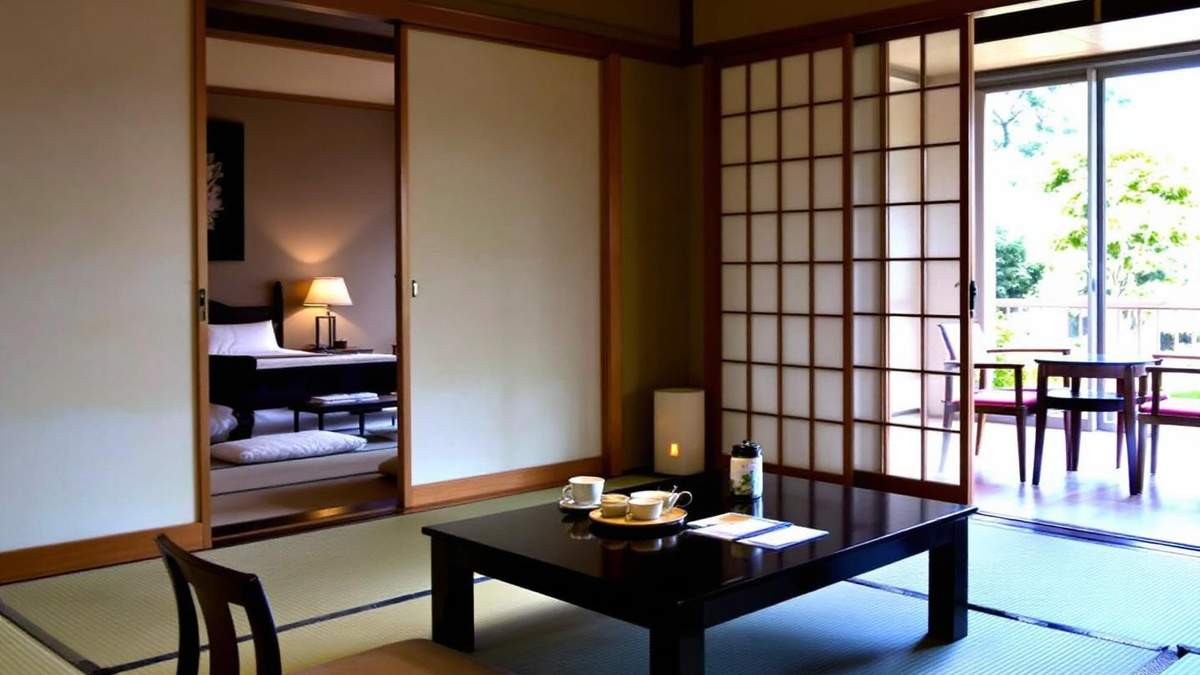
The Complete Guide to Staying at a Japanese Ryokan
Last updated: March 2026
A stay at a traditional Japanese ryokan (inn) is one of the most immersive experiences available to a visitor to Japan. It is not merely a place to sleep; it is a structured encounter with a centuries-old hospitality tradition that encompasses architecture, food, bathing culture, service philosophy, and aesthetic sensibility. No other accommodation type in the world packs this density of cultural content into a single overnight stay.
This guide tells you everything you need to know before you arrive, how to behave while you are there, and how to make the most of the experience.
What Is a Ryokan?
A ryokan is a traditional Japanese inn. The concept dates back to the Nara period (710 to 794 CE), when way stations along pilgrimage and trade routes offered lodging and meals to travellers. The core elements have remained consistent for centuries: tatami-mat flooring, futon bedding laid out on the tatami, traditional Japanese meals served in-room or in a shared dining space, and access to communal bathing facilities.
Modern ryokan exist across a wide spectrum. At one end are genuine historic inns in rural hot-spring towns, some operating continuously for ten or twelve generations. At the other end are new-build properties that adopt ryokan aesthetics without the history. In between is a vast middle range of well-maintained, professionally run inns that offer an authentic experience at accessible prices.
The critical distinction is between ryokan and their cheaper cousins, minshuku. A minshuku is a family-run bed and breakfast in a traditional home — meals may or may not be included, the bathing facilities may be a family bathroom, and the experience is more informal. Both are valuable, but they are different. This guide focuses on the ryokan experience in its fuller form.
Choosing a Ryokan
Location Matters
The best ryokan experiences tend to happen in onsen towns (hot-spring resort towns) rather than in cities. Hakone, Kinosaki Onsen, Beppu, Yufuin, Kurokawa Onsen, Matsumoto, Nikko, and the many onsen areas around Tohoku and Hokkaido all have excellent ryokan. In these settings, the inn is part of a larger landscape — you arrive by train, change into a yukata robe, and can wander the town’s streets in traditional dress visiting its shared public baths.
City ryokan in Kyoto, Tokyo, and Kanazawa offer a different kind of experience: exceptional Japanese interiors and food in an urban context, without the onsen-town atmosphere. These can be magnificent, but they are a different thing.
Understanding the Rate Structure
Ryokan pricing is usually quoted per person, not per room, and typically includes dinner and breakfast (this is called ippaku nishoku — one night, two meals). This matters for budget calculations: a rate of 20,000 yen per person includes a multi-course kaiseki dinner and a full Japanese breakfast, so the cost is not as high relative to alternatives as it first appears.
Budget ryokan start at around 8,000 to 12,000 yen per person including meals. Mid-range ryokan run 15,000 to 30,000 yen per person. High-end establishments charge 40,000 to 100,000+ yen per person. The difference in quality is real — better ingredients, more private onsen, larger rooms, more personal service — but even budget ryokan provide the core experience.
Arriving at Your Ryokan
Check-In Time and the Initial Welcome
Most ryokan have a check-in window between 3pm and 6pm, and they take this seriously. Unlike city hotels where staggered arrivals are routine, ryokan prepare meals to a schedule and the staff need to know when to expect you. If you are running late, call ahead. If you will arrive early, ask whether you can leave your luggage.
On arrival, you will typically be greeted at the entrance by a member of staff (sometimes several) who will welcome you, ask you to remove your shoes at the genkan (entry vestibule), provide slippers, and escort you to your room. You may be served tea and a small sweet while the room details are explained. This welcome ceremony sets the tone for the stay and should be received graciously.
Your Room
A traditional ryokan room is a tatami-floored space with a low table, floor cushions (zabuton), and typically a tokonoma — a decorative alcove containing a calligraphy scroll and a simple flower arrangement that are changed seasonally or even weekly. There is no Western furniture. You will sit, eat, and spend your time at floor level.
On arrival, the room will be set as a sitting room. In the evening, while you are dining, the staff will enter the room (with your permission, which is implicit unless you ask them not to) and transform it for sleeping, rolling out the futon and setting the bedding.
The futon on tatami is not a mattress on the floor. A well-made Japanese futon with a thick shikibuton (bottom layer) is surprisingly comfortable. If you find floor sleeping genuinely difficult due to back issues, communicate this when booking — some ryokan have beds, or can provide additional padding.
Yukata and Kimono
What a Yukata Is
Your room will have one or more yukata — lightweight cotton robes — waiting for you. These are not just for sleeping; they are intended to be worn throughout your stay in the inn and (in onsen towns) in the streets of the town outside.
Dressing in a yukata: put on the white undershirt if provided, then the yukata, with the left side crossed over the right (right over left is for the deceased — an important distinction). Secure with the obi (cloth belt). Put on the tabi socks and wooden geta sandals provided for outdoor walking.
In winter, most ryokan also provide a tanzen — a thicker, padded outer robe to wear over the yukata.
Gender and Yukata
Yukata are provided for all guests. In some traditional ryokan, women are given more elaborately patterned robes and men plainer ones, but this varies.
Onsen: The Heart of the Ryokan Experience
Types of Bathing Facilities
Most quality ryokan have multiple bathing options. The most common are:
Kashikiri onsen (private/reserved baths): Smaller onsen pools that can be booked for exclusive use by your party. These are ideal for couples or families, or for travellers with tattoos (see below). Book these immediately on check-in as they fill quickly.
Daiyokujo (large communal baths): Segregated by gender, these are the main bathing halls with large pools, often featuring indoor and outdoor (rotenburo) sections. The outdoor bath — especially one where you can soak while looking at a forest, mountain, or garden — is one of the defining pleasures of Japanese travel.
In-room onsen: Higher-end rooms sometimes have a private outdoor bath on the room’s terrace or engawa porch. Worth the premium for a honeymoon or special occasion.
Onsen Etiquette Step by Step
- Take your small towel from the bathroom. Leave the large bath towel in your room.
- Enter the changing room. Remove all clothing and place it in a basket.
- Enter the bathing area. Sit on one of the low stools at the individual shower stations along the wall.
- Wash your entire body thoroughly with soap. This is not optional — the onsen is for soaking, not washing.
- Rinse completely.
- Enter the bath slowly. The water is hot, typically 40 to 44 degrees Celsius. Lower yourself in gradually.
- Keep your towel out of the water. Many people fold it and place it on their head.
- Soak quietly. Splashing, loud conversation, and using a phone are not appropriate.
- Exit, shower briefly to rinse, and return to the changing room.
Ryokan baths typically have morning and evening sessions, with the facility closed between them for cleaning. Check the schedule on arrival.
Tattoos
Japan has historically prohibited tattooed guests from communal bathing facilities due to associations with organised crime. Policies have relaxed somewhat in recent years, but many ryokan still maintain restrictions. See our full guide on onsen and tattoos in Japan for what to know before you go. If you have visible tattoos, contact the ryokan before booking to confirm their policy. Many private kashikiri baths are open to tattooed guests even when communal facilities are not.
Kaiseki: The Ryokan Dinner
Kaiseki is Japanese high cuisine — a multi-course meal that is the culinary equivalent of a tasting menu, built around seasonality, regional ingredients, and aesthetic presentation. A ryokan kaiseki dinner typically consists of eight to twelve courses and takes two to three hours to work through. Courses are small but accumulate into an enormous amount of food.
The structure of a kaiseki meal generally follows: sakizuke (amuse-bouche), hassun (seasonal platter establishing the meal’s theme), soup, sashimi course, simmered dish, grilled dish, steamed dish, rice, miso, and pickles, followed by dessert. Each course is presented on individually selected crockery — lacquerware, ceramic, wood — chosen to complement the food and the season.
Dinner is served in your room (at the low table, with cushions) at a specified time, or in a private dining room. The okami (female innkeeper or senior attendant) or a nakai (room attendant) will serve each course. Conversation is welcome and the nakai can typically answer questions about what you are eating.
Breakfast the following morning is also kaiseki in style, though lighter and built around grilled fish, pickles, rice, miso, and various small side dishes. It is substantially more food than most Western travellers expect at breakfast.
Dietary requirements: Always inform the ryokan of dietary restrictions at the time of booking, not on arrival. Serious restrictions (vegetarianism, allergies) require advance preparation and many ryokan can accommodate them with notice.
The Service Philosophy: Omotenashi
Ryokan hospitality operates according to the concept of omotenashi. Understanding Japan etiquette will help you get the most from your stay — a form of attentive, anticipatory service given without expectation of personal gain. Staff anticipate needs before they are expressed. The room is prepared and meals arrive at the right time without fuss or request. There is no visible performance of service; it simply happens around you.
This matters for the guest because it requires a degree of trust and passivity. You do not need to manage your experience or advocate for yourself at every point. The ryokan is designed to carry you through the stay. Attempting to negotiate or constantly modify the programme tends to work against the experience rather than enhance it.
Tipping
Japan does not tip. This applies with equal force at ryokan. Do not leave cash on the table, do not try to press money into the hands of the nakai, and do not add gratuity to a card payment. Tipping is not only unnecessary but can cause awkwardness or embarrassment for the recipient. The price you pay covers everything. If you received exceptional service, a written note of appreciation or a positive review online is the most meaningful response.
Practical Considerations
What to bring: Very little. Your yukata, onsen towels, toiletries (including a shaving razor, which ryokan do not always stock), and comfortable indoor footwear. Ryokan provide everything else.
What not to bring: Do not bring outside food into the dining area. Do not drink alcohol from a convenience store in the common areas without asking — some ryokan have policies about outside drinks, though most do not mind in rooms.
Noise: Ryokan are quiet places. Thin shoji (paper-screen) walls and tatami flooring carry sound readily. Keep voices low in corridors after 9pm.
Children: Many ryokan welcome children and provide child-sized yukata. Call ahead to confirm. The floor-level sleeping and bathing culture is often easier for young children than adults expect.
How to Book
Most mid-range and budget ryokan can be booked through Jalan, Rakuten Travel, or Japan-specific pages on Booking.com. For onsen etiquette tips, read our onsen and tattoos guide. High-end and remote ryokan often require booking directly or through a travel agent. For genuinely special properties — particularly small inns in places like Kurokawa Onsen or the Iya Valley — booking three to six months ahead is not excessive, especially for peak season dates.
Read reviews carefully for mentions of English-language service if that is important to you. Many excellent rural ryokan operate almost entirely in Japanese, which adds to their authenticity but may require some comfort with communication by gesture and pointing.
A ryokan stay, even a single night at a modest property, changes how many travellers understand Japan. Hakone is one of the best places to try your first ryokan. The food, the architecture, the bathing ritual, and the quality of attention create an experience that stands apart from anything available in a conventional hotel. It is an investment worth making at some point in any trip that lasts longer than a week.